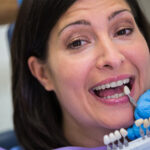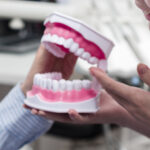


Imagine sitting down to a family dinner and confidently biting into a crisp apple, chewing a tender steak, and laughing freely in family photos without a second thought. For many older adults, this simple joy feels like a distant memory. Tooth loss is a common challenge as we age, often leading to the uncomfortable, slipping reality of traditional dentures. But what if you could turn back the clock on your smile?
If you are a senior dealing with missing teeth, you might be asking yourself, “Am I too old for a permanent solution?” The resounding answer is no. Dental implants have revolutionized restorative dentistry, offering a permanent, natural-feeling alternative to dentures. In this comprehensive guide, we will explore everything you need to know about dental implants for seniors, from the life-changing health benefits to the step-by-step process, and how the expert team at Madison Dentistry & Implant Center is helping patients across Northern New Jersey regain their confidence.
Why Age is Just a Number in Implant Dentistry
One of the most persistent myths in dentistry is that seniors are “too old” to undergo dental implant surgery. This is simply not true. When evaluating a patient for dental implants, chronological age is far less important than physiological health.
Whether you are 65 or 85, a successful dental implant procedure relies primarily on two factors:
- Adequate Bone Density: You need enough jawbone structure to support the titanium post.
- General Health: You should be healthy enough to undergo a routine dental extraction or minor oral surgery.
Even if you have experienced bone loss due to years of wearing dentures, modern advancements like bone grafting have made it possible to rebuild the jawbone, making implants a viable option for almost anyone. Conditions like diabetes or osteoporosis do not automatically disqualify you; they just mean your dentist will coordinate closely with your physician to ensure a safe, tailored approach to your care.
The Life-Changing Benefits of Dental Implants for Older Adults
While traditional dentures sit on top of the gums, dental implants are surgically placed into the jawbone, acting as artificial tooth roots. This structural difference provides unparalleled benefits specifically suited to the needs of seniors.
1. Halting Jawbone Deterioration
When you lose a tooth, the jawbone in that area stops receiving the stimulation it needs from chewing. Over time, the bone begins to resorb or melt away, leading to the “sunken facial appearance” often associated with premature aging. Because dental implants fuse directly with the bone (a process called osseointegration), they provide the necessary stimulation to halt bone loss, preserving your natural facial structure.
2. Nutritional Freedom and Digestive Health
As we age, proper nutrition becomes vital for overall health. However, seniors with missing teeth or loose dentures often avoid crunchy fruits, raw vegetables, and protein-rich meats because they are too difficult to chew. This forced soft-food diet can lead to malnutrition and digestive issues. Dental implants restore almost 100% of your natural bite force, allowing you to eat a balanced, nutrient-rich diet without pain or hesitation.
3. Freedom from Denture Adhesives and Embarrassment
There are few things more anxiety-inducing than feeling your dentures slip mid-conversation or while eating. Dental implants are permanently anchored. There is no clicking, no slipping, no messy adhesives, and no taking your teeth out to soak in a glass at night. They look, feel, and function just like your natural teeth.
4. Long-Term Financial Investment
While the upfront cost of dental implants is higher than traditional dentures, they are an incredibly cost-effective long-term investment. Dentures require frequent relining, adjusting, and eventual replacement every 5 to 7 years due to changing jawbone shapes. With proper care, dental implants can last a lifetime, saving you from recurring costs down the road.
The Dental Implant Process: What Seniors Can Expect
Understanding the journey can help alleviate any anxiety you might have about the procedure. Here is a step-by-step look at how a missing tooth is transformed into a permanent smile.
Step 1: The Initial Consultation and 3D Imaging
Your journey begins with a comprehensive evaluation. Using state-of-the-art 3D Cone Beam Computed Tomography (CBCT) scanners, your dentist will map out your jawbone, nerve pathways, and sinus cavities. This allows for pinpoint precision in planning the surgery.
Step 2: Site Preparation (and Bone Grafting, if necessary)
If a failing tooth needs to be extracted, it is done gently. If your 3D scan reveals a lack of bone density, a minor bone graft may be performed to create a sturdy foundation for the implant. This grafted material will need a few months to heal and solidify.
Step 3: Placing the Implant
During a minor surgical procedure (usually done under local anesthesia or light sedation), the titanium implant post is carefully inserted into the jawbone. Most seniors are surprised to find that this procedure involves far less discomfort than a tooth extraction.
Step 4: Osseointegration (The Healing Phase)
This is where the magic happens. Over the next 3 to 6 months, the jawbone naturally grows around and bonds to the titanium post. During this period, you will usually wear a temporary tooth or bridge, so you never have to go without teeth.
Step 5: Attaching the Abutment and Custom Crown
Once the implant has securely fused with the bone, a small connector piece called an abutment is attached. Finally, a custom-crafted, highly realistic porcelain crown is secured to the abutment. Your new smile is complete!
Actionable Tips for a Smooth Senior Recovery
Recovering from dental implant surgery is generally straightforward, but older adults should take extra care to ensure optimal healing:
- Prioritize Soft, Nutrient-Dense Foods: In the first week, stick to protein shakes, yogurt, scrambled eggs, and blended soups. Avoid extreme temperatures.
- Keep Your Mouth Impeccably Clean: Follow your dentist’s instructions regarding saltwater rinses. Avoid vigorous brushing around the surgical site for the first few days to protect the healing tissue.
- Manage Underlying Health Conditions: If you have diabetes, keep your blood sugar strictly controlled during the healing phase, as fluctuations can impair wound healing and osseointegration.
- Stay Hydrated but Skip the Straw: Drink plenty of water, but avoid using straws. The suction can dislodge the blood clot forming over the surgical site, leading to a painful condition called dry socket.
- Attend All Follow-Up Appointments: Never skip your post-operative checkups. These allow your dentist to monitor the bone fusion and catch any minor issues before they become major problems.
Why Choose Madison Dentistry & Implant Center?
If you are located in Northern New Jersey and are ready to explore your tooth replacement options, look no further than Madison Dentistry & Implant Center. Located conveniently in the heart of Madison, NJ, our clinic is dedicated to providing compassionate, top-tier restorative dentistry tailored specifically to the needs of older adults.
We understand that convenience and community matter. Whether you are making the short drive from Chatham, visiting us from Morristown, or traveling from neighboring Florham Park, Summit, Springfield, East Hanover, or Harding, our team ensures your experience is seamless and stress-free.
At Madison Dentistry & Implant Center, you aren’t just another patient; you are our neighbor. We utilize the latest digital dentistry and minimally invasive techniques to ensure that your implant procedure is as comfortable, efficient, and successful as possible. We pride ourselves on giving our local seniors their smiles—and their lives—back.
Frequently Asked Questions (FAQs)
Are dental implants painful?
Most patients report that the implant procedure is much less painful than they anticipated, often comparing it to a standard tooth extraction. Local anesthesia is used during the procedure, and post-operative discomfort can usually be managed with over-the-counter pain relievers like Ibuprofen or Acetaminophen.
Does Medicare cover dental implants for seniors?
Original Medicare (Parts A and B) generally does not cover routine dental care, including dental implants. However, certain Medicare Advantage (Part C) plans may offer partial coverage for restorative dental work. It is always best to consult with our billing specialists at Madison Dentistry & Implant Center; we can help you navigate your insurance and explore flexible financing options.
What if I have osteoporosis?
Osteoporosis affects bone density, but it does not rule out dental implants. Many seniors with osteoporosis successfully receive implants. Your dentist will evaluate your jawbone density using a 3D scan and may recommend bone grafting to build up the area before placing the implant. Be sure to inform your dentist if you are taking bisphosphonates, as this can affect healing.
How long do dental implants last?
With excellent oral hygiene (daily brushing and flossing) and regular dental checkups, the titanium implant post can last for the rest of your life. The crown placed on top experiences daily wear and tear and may need to be replaced after 10 to 15 years, but the root remains permanently secured.
TL;DR: Key Takeaways
- Age is Not a Barrier: Physiological health and bone density matter far more than your age. Seniors make excellent candidates for implants.
- Health and Lifestyle Benefits: Implants prevent jawbone deterioration, allow you to eat a nutrient-rich diet, and eliminate the embarrassment of slipping dentures.
- A Worthwhile Investment: Unlike dentures that require frequent adjustments and replacements, implants are a permanent, long-lasting solution.
- Smooth Recovery: By eating soft foods, managing systemic health conditions, and practicing gentle oral hygiene, seniors can heal quickly and comfortably.
- Local Experts: Madison Dentistry & Implant Center in Madison, NJ, proudly serves seniors from Chatham, Morristown, Florham Park, Summit, and beyond, offering expert, compassionate implant care.
Conclusion
Losing your teeth does not mean you have to lose your quality of life. Dental implants offer seniors a remarkable opportunity to turn back the clock, restore full chewing function, and smile with absolute confidence. They are more than just a cosmetic upgrade; they are a vital investment in your long-term physical health and emotional well-being.
If you are tired of dealing with the limitations of missing teeth or uncomfortable dentures, it’s time to take the next step. If you live in Madison, Chatham, Morristown, Florham Park, Summit, or the surrounding communities, the expert team at Madison Dentistry & Implant Center is here to guide you every step of the way.
Ready to reclaim your smile? Contact Madison Dentistry & Implant Center today to schedule your comprehensive implant consultation.