
You’re brushing your teeth before bed, just like you do every night. You spit into the sink and notice a swirl of pink. Or perhaps you’ve bitten into a crisp apple, only to find a trace of blood left behind.
It’s easy to dismiss bleeding gums as a minor annoyance—maybe you just brushed too hard, right? While that can be the case, bleeding gums are often your body’s way of waving a red flag. They are the distress signal of your oral health, frequently pointing to early-stage gum disease or other underlying issues that, if left untreated, can lead to tooth loss and systemic health problems.
At Madison Dentistry & Implant Center, we believe that a healthy smile is the foundation of a healthy life. Located in the heart of Madison, New Jersey, our expert team is dedicated to helping patients across Chatham, Morristown, Florham Park, and Summit understand the “why” behind their symptoms and find the “how” to fix them.
In this comprehensive guide, we will dive deep into the causes of bleeding gums, explore effective treatments, and provide actionable tips to banish that “pink in the sink” for good.
The "Silent" Epidemic: Understanding Gum Disease
The most common culprit behind bleeding gums is periodontal disease (gum disease). It’s often called a “silent” epidemic because symptoms can be painless and subtle until the condition has advanced.
Gingivitis: The Early Warning
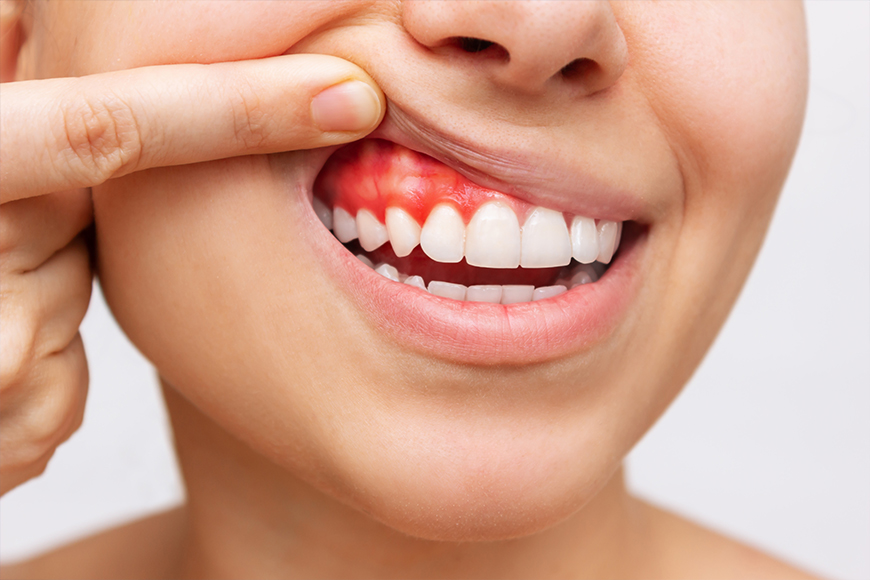
Gingivitis is the earliest stage of gum disease. It occurs when plaque—a sticky film of bacteria—builds up on your teeth and along the gum line. If not removed by daily brushing and flossing, this plaque produces toxins that irritate the gum tissue, causing:
- Redness and swelling
- Tenderness
- Bleeding during brushing or flossing
The good news? Gingivitis is reversible. With professional cleaning at our Madison clinic and improved home care, you can restore your gums to total health.
Periodontitis: The Advanced Threat
If gingivitis is ignored, it can progress to periodontitis. At this stage, the inner layer of the gum and bone pulls away from the teeth and forms pockets. These small spaces between teeth and gums collect debris and can become infected. As the body’s immune system fights the bacteria, the bone and connective tissue that hold teeth in place are broken down.
Warning Signs of Periodontitis:
- Persistent bad breath (halitosis)
- Gums that are receding (pulling away) from the teeth
- Loose or shifting teeth
- Pus between your teeth and gums
It’s Not Just Plaque: Other Common Causes of Bleeding Gums
While hygiene is the primary factor, other variables can make your gums more susceptible to bleeding.
Brushing Technique
Many patients we see in Madison, NJ, believe that “scrubbing” their teeth harder means getting them cleaner. In reality, using a hard-bristled toothbrush or applying too much pressure can traumatize delicate gum tissue, leading to recession and bleeding.
Hormonal Changes
Women are particularly sensitive to gum issues due to hormonal fluctuations.
- Pregnancy Gingivitis: Elevated hormone levels during pregnancy can increase blood flow to the gums, making them more sensitive and prone to bleeding.
- Puberty and Menopause: Similar hormonal shifts can alter how gum tissue reacts to the toxins in plaque.
Medications and Health Conditions
Certain medications, such as blood thinners (anticoagulants), can make bleeding more likely. Additionally, systemic conditions like diabetes affect the body’s ability to use blood sugar, leading to higher risks of infection, including severe gum disease.
Vitamin Deficiencies
A lack of Vitamin C or Vitamin K can impact gum health. Vitamin C helps your body repair tissue and strengthen bones and teeth, while Vitamin K is essential for blood clotting.
How We Treat Bleeding Gums at Madison Dentistry & Implant Center
If you are experiencing bleeding gums, the first step is a comprehensive evaluation. At Madison Dentistry & Implant Center, located conveniently on Main Street in Madison, we combine compassionate care with state-of-the-art technology to diagnose and treat gum issues effectively.
Comprehensive Periodontal Evaluation
During your visit, our skilled dentists—including Dr. Samer Boukheir and our team of specialists—will measure the depth of the “pockets” around your teeth. Healthy gums generally have pockets measuring 1 to 3 millimeters. Pockets deeper than 4mm may indicate periodontitis.
Professional Dental Cleaning (Prophylaxis)
For gingivitis, a standard professional cleaning is often sufficient. We use specialized tools to remove tartar (hardened plaque) that regular brushing can’t budge. This removes the source of irritation, allowing the gums to heal.
Scaling and Root Planing (Deep Cleaning)
If the disease has progressed, we may recommend a deep cleaning tailored to remove bacteria from below the gum line.
- Scaling: Removes tartar and bacteria from your tooth surfaces and beneath your gums.
- Root Planing: Smooths the root surfaces, discouraging further buildup of tartar and allowing the gums to reattach to the teeth more firmly.
Actionable Tips to Stop Bleeding Gums at Home
While professional care is vital, your daily routine is the first line of defense. Here is a step-by-step guide to upgrading your oral hygiene:
1. Upgrade Your Tools
Throw away that hard-bristled toothbrush. Switch to a soft-bristled electric toothbrush. Electric brushes are often more effective at removing plaque without damaging the gums because they do the work for you—you simply guide them along the teeth.
2. Master the Floss
Flossing is non-negotiable. If your gums bleed when you floss, it is often a sign that you need to floss more, not less.
- Technique: Curve the floss into a “C” shape around each tooth and gently slide it up and down, going slightly below the gum line.
- Water Flossers: For patients in Short Hills or East Hanover who struggle with string floss, a water flosser is a fantastic alternative that uses a pressurized stream of water to clean between teeth.
3. Use an Antiseptic Mouthwash
Rinsing with an antimicrobial mouthwash can reduce plaque and kill the bacteria that cause gingivitis. Look for a rinse containing essential oils or cetylpyridinium chloride (CPC). Avoid alcohol-based rinses if you suffer from dry mouth.
4. Quit Smoking
Tobacco use is one of the most significant risk factors for the development and progression of periodontal disease. Smoking weakens your immune system, making it harder for your body to fight off a gum infection and harder for your gums to heal once they are damaged.
5. Eat a “Gum-Friendly” Diet
Crunchy, raw vegetables like celery and carrots can help mechanically clean teeth and stimulate saliva flow. Ensure your diet is rich in leafy greens, Vitamin C, and calcium to support bone and tissue health.
Why Choose Madison Dentistry & Implant Center?
When it comes to your health, you want a team that treats you like family. Madison Dentistry & Implant Center is proud to be a top-rated dental provider in Madison, NJ.
What sets us apart?
- Comprehensive Care: From routine cleanings to complex dental implants and periodontal therapy, we do it all under one roof.
- Patient Comfort: We understand that dental anxiety is real. Our office is designed to be a calming, welcoming environment.
- Local Expertise: We are deeply rooted in the community, serving neighbors from Convent Station, Florham Park, and Morristown with integrity and excellence.
- Emergency Availability: Bleeding gums can sometimes be a sign of acute trauma. We offer emergency dental services to get you out of pain fast.
The Connection to Your Overall Health
It is crucial to understand that your mouth is the gateway to your body. Research has linked gum disease to serious health issues, including:
- Heart Disease: The inflammation associated with gum disease may increase the risk of heart disease and stroke.
- Diabetes: Gum disease can make diabetes harder to control, and high blood sugar worsens gum disease—a vicious cycle.
- Respiratory Issues: Bacteria from the mouth can be inhaled into the lungs, potentially causing pneumonia.
By taking care of your bleeding gums today, you are protecting your overall longevity and well-being.
Frequently Asked Questions (FAQ)
Is it normal for gums to bleed when flossing?
If you haven’t flossed in a while, a little bleeding is common as your gums adjust. However, if bleeding persists for more than a week despite regular flossing, it is likely a sign of gingivitis, and you should schedule an appointment with us.
Can stress cause bleeding gums?
Yes! Stress weakens your immune system and increases inflammation in the body, which can make you more susceptible to gum infections.
Are bleeding gums contagious?
Bleeding gums themselves aren’t contagious, but the bacteria that cause gum disease can be spread through saliva. Sharing toothbrushes or utensils can technically transfer these bacteria.
Do salt water rinses help bleeding gums?
Yes. A warm salt water rinse (1/2 teaspoon of salt in a glass of warm water) can soothe inflamed gums and reduce bacteria. It is a great home remedy to use until you can see the dentist.
Conclusion: Take the First Step Toward a Healthier Smile Today
Bleeding gums are a signal you shouldn’t ignore, but they are also a problem with a solution. Whether it’s a simple adjustment to your brushing routine or a professional deep cleaning, the path to a healthy, confident smile starts with a single appointment.
Don’t wait until “pink in the sink” turns into a toothache or loose teeth. Residents of Madison, Chatham, Morristown, and the surrounding Morris County areas trust Madison Dentistry & Implant Center for world-class dental care delivered with a gentle touch.
Ready to stop the bleeding and start smiling? Contact Us Today!