

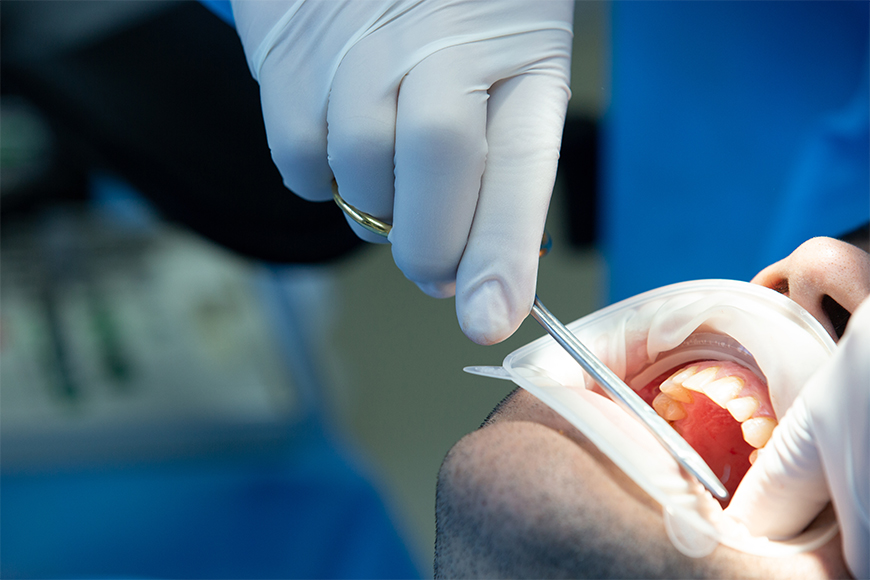
Searching for wisdom teeth removal near me is often the first step when a wisdom tooth starts causing pain, swelling, infection, or other dental problems. Wisdom teeth, also known as third molars, are the final teeth to develop and typically appear during the late teens or early twenties. While some wisdom teeth grow normally and remain healthy, others may become impacted or difficult to clean.
When a wisdom tooth does not have enough room to emerge properly, it can become trapped beneath the gum or partially covered by gum tissue. This can contribute to discomfort, infection, tooth decay, gum problems, or other complications.
Understanding when wisdom teeth may need to be removed, what the procedure involves, and what recovery can be like can help you prepare for a consultation with your dentist or oral surgeon.
What Are Wisdom Teeth?
Wisdom teeth are the third and final set of molars located at the very back of the mouth. Most people can develop up to four wisdom teeth, although the number and position vary from person to person.
Some wisdom teeth emerge normally and can be cleaned and maintained like other teeth. Others may not have enough space to come through correctly. A tooth that becomes trapped in the jawbone or beneath the gum is known as an impacted wisdom tooth.
Impacted wisdom teeth may be positioned at different angles or may only partially emerge through the gum. Your dentist can use an examination and dental X-rays to evaluate their position and determine whether treatment is needed.
Why Do Wisdom Teeth Need to Be Removed?
Not every wisdom tooth needs to be removed. If a wisdom tooth is healthy, functional, and not causing problems, a dentist may recommend monitoring it during regular dental visits.
Removal may be considered when there is evidence of disease or a significant risk of problems. Potential reasons include pain, infection, tooth decay, gum disease, cysts, or damage to neighboring teeth.
Partially erupted wisdom teeth can also make it easier for food and bacteria to collect around the gum. This may contribute to inflammation or infection around the tooth, known as pericoronitis.
Common Signs You May Need Wisdom Teeth Removal
If you are searching for wisdom teeth removal near me, you may already be experiencing symptoms.
Common signs that should be evaluated by a dental professional include:
- Pain at the back of the mouth
- Swelling around a wisdom tooth
- Tender or inflamed gums
- Difficulty opening the mouth
- Food becoming trapped around the tooth
- Bad taste or unpleasant breath
- Repeated gum infections
- Tooth decay
- Damage to a neighboring tooth
These symptoms do not automatically mean that extraction is necessary. A dentist or oral surgeon needs to examine the tooth and surrounding structures before recommending treatment.
How Are Wisdom Teeth Evaluated?
Your dentist will generally examine your mouth and may take dental X-rays to determine the position of the wisdom teeth. Imaging can help show whether a tooth is impacted and how close it is to surrounding structures.
The position of the tooth, its relationship to neighboring teeth, available space, and signs of disease can all influence the treatment recommendation.
Depending on the complexity of the case, your general dentist may perform the extraction or refer you to an oral surgeon.
What Happens During Wisdom Teeth Removal?
The exact procedure depends on whether the tooth has fully erupted or is impacted.
For a straightforward extraction, the dentist may loosen and remove the tooth after numbing the area with local anesthesia.
If the tooth is impacted, the procedure may involve making an opening in the gum to access the tooth. In some cases, the tooth may be divided into smaller sections so it can be removed more easily. Stitches may be placed afterward when necessary.
The procedure can take only a few minutes for a straightforward extraction, while more complex cases may take longer.
What Types of Anesthesia Are Used?
Local anesthesia is commonly used to numb the treatment area so you do not feel pain during the extraction.
Depending on the complexity of the procedure and the patient’s needs, sedation may also be considered. Some patients may receive sedation to help them remain relaxed during treatment. General anesthesia may be used in selected circumstances.
Your dentist or oral surgeon will discuss the appropriate anesthesia or sedation option before the procedure.
What Is Recovery Like?
Recovery varies depending on the number of teeth removed, the complexity of the extraction, and individual healing.
It is common to experience some pain, swelling, jaw stiffness, or bruising following wisdom tooth removal. These symptoms generally begin improving after the first few days, although the mouth may take longer to feel completely normal.
Your dental provider will give you specific postoperative instructions. Following those instructions carefully can help support normal healing.
You may be advised to eat softer foods initially and gradually return to your normal diet as chewing becomes more comfortable.
Caring for Your Mouth After Extraction
After wisdom tooth removal, protecting the extraction site is important.
Your dental provider may recommend gentle oral hygiene and specific rinsing instructions. Avoid disturbing the extraction site, particularly during the early stages of healing.
Smoking can interfere with healing and increase the risk of complications. It is also important to avoid activities or foods that could irritate the surgical area.
Follow the instructions provided by your dentist or oral surgeon because recommendations can vary depending on your procedure.
Understanding Dry Socket
Dry socket is a possible complication following tooth extraction. It can occur when the blood clot that normally forms in the extraction socket does not form properly or becomes displaced before the area has healed.
Because the blood clot plays an important role in protecting the underlying area, disrupting it can result in significant pain and delayed healing.
Avoid smoking, vigorous rinsing, and other activities that your dental provider says could interfere with the healing site.
If you develop severe or worsening pain after extraction, contact your dental provider.
When Should You Contact a Dentist?
If you have wisdom tooth pain, swelling, repeated infections, or difficulty opening your mouth, schedule an evaluation with a dentist.
Prompt evaluation is especially important if symptoms are severe or getting worse. Persistent bleeding, significant swelling, severe pain that is not improving, fever, or feeling generally unwell after an extraction may require urgent professional attention.
Severe facial swelling or difficulty breathing or swallowing can represent a serious emergency and requires immediate medical attention.
Choosing Wisdom Teeth Removal Near Me
When searching for wisdom teeth removal near me, consider more than simply choosing the closest dental office.
Look for a dental practice or oral surgeon that provides appropriate evaluation and treatment for wisdom teeth. You may want to ask whether the provider handles impacted wisdom teeth and what anesthesia or sedation options are available.
It is also useful to understand what follow-up care is provided and what instructions you will receive after the procedure.
During your consultation, ask questions about the position of your wisdom teeth, whether removal is recommended, how complex the procedure may be, and what recovery could involve.
Why Professional Evaluation Matters
Wisdom teeth can vary significantly from one patient to another. Some remain healthy without requiring removal, while others may create recurring problems.
A dental examination and appropriate imaging allow the dentist to assess the teeth rather than relying on symptoms alone.
If removal is recommended, understanding why it is being suggested can help you make an informed decision about your treatment.
Frequently Asked Questions
1. When should wisdom teeth be removed?
Wisdom teeth may be removed when they cause problems such as pain, infection, tooth decay, gum disease, cysts, or damage to nearby teeth. Healthy wisdom teeth that are not causing problems may instead be monitored during routine dental visits.
2. Is wisdom teeth removal painful?
Local anesthesia is typically used to numb the area during extraction. Afterward, some pain, swelling, jaw stiffness, or tenderness can occur as the mouth heals. Your dentist or oral surgeon will provide instructions for managing discomfort and caring for the extraction site.
3. How long does wisdom teeth removal take?
The procedure time varies depending on whether the teeth are fully erupted or impacted and how difficult they are to remove. Straightforward extractions can be relatively quick, while complex surgical extractions may take longer.
4. How long does it take to recover from wisdom teeth removal?
Many patients can resume normal activities relatively quickly, but recovery varies. Pain and swelling may continue for several days, and the mouth may take a few weeks to feel completely normal after more involved surgery.
5. How do I find wisdom teeth removal near me?
Start by looking for a qualified dentist or oral surgeon who evaluates and treats wisdom teeth. Ask about their experience with impacted teeth, available anesthesia or sedation options, postoperative care, and what your specific treatment is expected to involve.
Conclusion
Searching for wisdom teeth removal near me can help you find a dental professional who can evaluate painful, impacted, or otherwise problematic wisdom teeth. However, not every wisdom tooth requires extraction. A dentist or oral surgeon can examine your teeth and use appropriate imaging to determine whether removal is necessary.
If extraction is recommended, understanding the procedure, anesthesia options, recovery process, and potential complications can help you prepare. Following your provider’s postoperative instructions is also important for supporting proper healing.
If you are experiencing persistent wisdom tooth pain, swelling, infection, or other changes around your back teeth, schedule a dental evaluation rather than waiting for symptoms to worsen.