
Imagine eating your favorite foods again without hesitation, laughing without covering your mouth, and feeling the unwavering confidence of a complete, natural-looking smile. For millions, dental implants are the life-changing solution that makes this dream a reality. But a question often arises: Am I a good candidate for dental implants?
If you live in or around Madison, New Jersey, including neighboring communities like Chatham, Florham Park, Convent Station, and Morris Plains, and are searching for the most reliable, long-term tooth replacement option, you’ve come to the right place.
This meticulously researched guide from the experts at Madison Dentistry & Implant Center will walk you through the essential criteria, health considerations, and lifestyle factors that determine your eligibility for this cutting-edge treatment. By the end, you will have a clear, informed understanding of what makes a successful dental implant candidate and the steps you can take today to restore your smile and your confidence.
The Core Foundations: What Exactly Are Dental Implants?
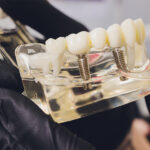
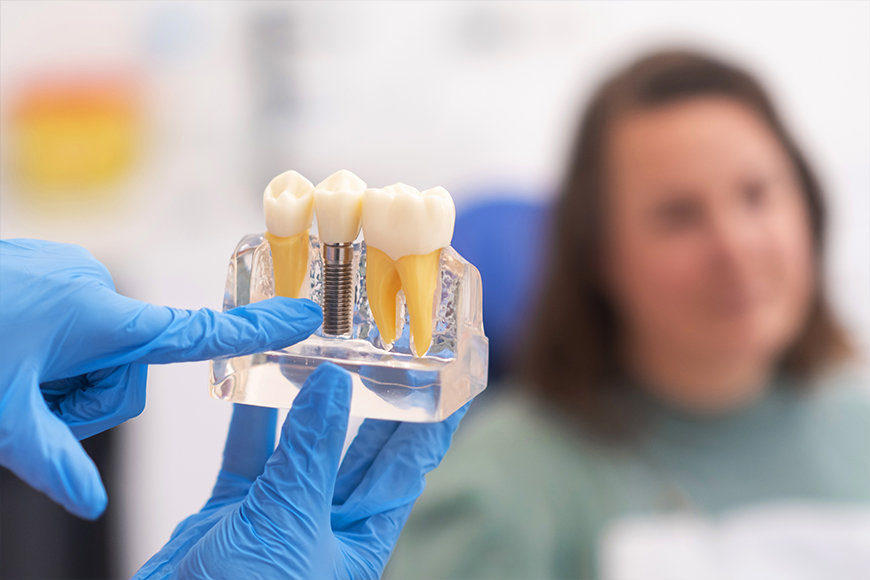
Before diving into candidacy, it’s crucial to understand the service itself. Dental implants are titanium posts surgically placed into the jawbone beneath the gums. These posts act as artificial tooth roots, providing a stable, durable base for a custom-made prosthetic tooth (crown), bridge, or denture.
Unlike traditional bridges or dentures, an implant fuses directly with the bone through a process called osseointegration. This unique feature is what makes implants the most permanent, natural-feeling, and structurally beneficial tooth replacement available.
The Two Pillars of Dental Implant Candidacy
The primary factors determining your suitability for dental implants in Madison, NJ, fall into two major categories: Oral Health and Overall Health.
1. The Oral Health Checklist: A Solid Foundation is Essential
The success of a dental implant relies heavily on the environment it’s placed in. Think of your jawbone as the soil and the implant as the root—the soil must be rich and stable for the root to thrive.
Sufficient Jawbone Density and Volume
This is often the most critical factor. The titanium implant needs a strong, ample bed of bone tissue to fuse with securely. When a natural tooth is lost, the jawbone in that area can begin to deteriorate (resorb) because it no longer receives the necessary stimulation from the tooth root.
- The Problem: Inadequate bone density can lead to implant failure because the post lacks stability.
- The Solution: Bone Grafting: Don’t be discouraged if you’ve experienced bone loss! Modern implantology, as practiced at Madison Dentistry & Implant Center, offers bone grafting procedures. This involves adding bone material to the area, stimulating natural bone regeneration and creating the robust foundation required for a successful implant placement. This can also include procedures like a sinus lift for the upper jaw.
Healthy Gums and Oral Tissues
Active periodontal disease (gum disease) is a major contraindication for implant placement. Infected gums can compromise the healing process and lead to peri-implantitis, a condition similar to periodontitis that can cause implant failure.
- Actionable Tip: Any existing gum disease, decay, or other oral infections must be treated and controlled before proceeding with implant surgery. Your dental provider will perform a thorough gum health examination during your initial consultation.
A Commitment to Oral Hygiene
Implants require the same diligent care as natural teeth, perhaps even more so. Long-term success hinges on keeping the implant, crown, and surrounding gum tissue clean.
- Good Candidates are dedicated to brushing twice daily, flossing (often with specialized tools for implants), and maintaining regular professional check-ups and cleanings.
2. The Overall Health Checklist: Your Body’s Role in Healing
Since dental implant placement is a surgical procedure, your general health and immune response play a significant role in successful healing and osseointegration.
Good General Health Status
Most patients in reasonably good health are excellent candidates. However, certain chronic conditions or medications can slow healing or increase the risk of infection.
- Controlled Diabetes: Patients with uncontrolled Type 1 or Type 2 diabetes may have a higher risk of complications. If your diabetes is well-managed and your blood sugar is stable, you can typically proceed with the procedure successfully.
- Immune System Disorders: Conditions that compromise the immune system may affect your body’s ability to heal and fuse with the implant.
- Smoking Status (Crucial): Smoking is perhaps the single biggest risk factor for implant failure. Tobacco restricts blood flow to the gums, slows healing, and can increase the risk of infection significantly. Most experts at Madison Dentistry & Implant Center strongly recommend quitting smoking entirely—or at least dramatically reducing intake—before and during the healing process to ensure a positive outcome.
Age is (Mostly) Just a Number
Contrary to a common misconception, there is no upper age limit for dental implants. Older adults who are in good general health and meet the bone and oral health criteria are often ideal candidates. The only age restriction is for younger patients whose jawbones have not yet finished developing (typically under 18-21).
Your Implant Experts at Madison, New Jersey
Choosing the right practice for your dental implant journey is paramount. For residents of Madison, and the surrounding Morris County towns—including Chatham, Florham Park, Convent Station, and Morris Plains—the convenience of world-class care is right at your doorstep.
At Madison Dentistry & Implant Center, our focus is on comprehensive, patient-centered implant dentistry. We use advanced diagnostic tools like 3D Cone Beam CT scans to precisely map your jaw structure, ensuring accurate and safe implant placement—a key factor in long-term success. Choosing a local, specialized center ensures continuity of care from your initial consultation all the way through the final crown placement and long-term maintenance.
Practical Steps to Improve Your Candidacy Today
If you’re on the cusp of eligibility, or even if you suspect you might not be an ideal candidate right now, here are actionable steps to increase your chances of successfully receiving dental implants:
- Prioritize Periodontal Treatment: If you have any signs of gum disease (bleeding gums, swelling), see your dentist for a deep cleaning and treatment plan. A healthy gum line is non-negotiable for implant success.
- Talk to Your Doctor About Chronic Conditions: Ensure conditions like diabetes, heart disease, or osteoporosis are well-controlled. Bring a list of all current medications, including supplements, to your implant consultation.
- Commit to Quitting Smoking: Seek support to quit or drastically reduce tobacco use. This is one of the most powerful changes you can make to guarantee a better healing trajectory.
- Schedule a Detailed Consultation: The only definitive way to know your candidacy is through a professional evaluation. Contact Madison Dentistry & Implant Center to schedule your comprehensive consultation. We will analyze your jawbone with advanced imaging and provide a personalized, step-by-step treatment plan—including any necessary preparatory procedures like bone grafting.
Frequently Asked Questions (FAQ) about Dental Implant Candidacy
Does a History of Bone Loss Mean I Cannot Get Dental Implants?
Not at all. A history of bone loss simply means you are likely to need a preliminary procedure, such as bone grafting or a sinus lift, to rebuild the bone foundation. For many patients, these procedures successfully create the necessary volume and density for stable implants.
How Long Does the Dental Implant Process Take?
The total time varies greatly depending on individual needs. If you require bone grafting, the healing phase can add several months. For a straightforward, single implant, the entire process—from placement to final crown—typically takes 3 to 9 months, allowing for the critical osseointegration period. Your implant specialist at Madison Dentistry & Implant Center will provide a precise, customized timeline.
Are Dental Implants Covered by Insurance?
Insurance coverage is highly variable. While most plans don’t fully cover the surgical placement, some may offer partial coverage, especially if the procedure is deemed medically necessary. Our office in Madison, NJ, is happy to work with you to maximize your benefits and discuss flexible financing options for residents of Chatham, Florham Park, and the wider Morris County area.
Can I Get Implants if I Have Worn Dentures for Years?
Yes! Many long-term denture wearers are excellent candidates. Switching to implant-supported dentures (like All-on-4) provides significantly improved stability, comfort, and chewing ability. However, long-term denture use can lead to bone atrophy, so a consultation to assess your current bone density is the first essential step.
Conclusion: Candidate For Dental Implants
Determining if you are the ideal candidate for dental implants is a collaborative process that combines your commitment to health with the expertise of a specialized implant team. The most common obstacles—like bone loss or existing gum issues—are highly treatable with modern technology.
If you are missing teeth, frustrated with dentures, or simply want the most durable, natural-looking replacement for your smile, the first step is the most important: scheduling a comprehensive evaluation.
Madison Dentistry & Implant Center is dedicated to helping our neighbors in Madison, Chatham, Florham Park, Convent Station, and Morris Plains achieve optimal dental health. We are ready to assess your unique needs, answer all your questions, and guide you on the path to a healthy, confident, and permanent new smile. Take the Next Step: Ready to find out if dental implants are the right fit for you? Contact us Today!