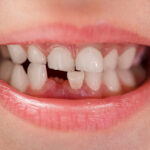

It happens in a split second. You are enjoying a quiet dinner in Madison, NJ, perhaps biting into a piece of crusty bread or a hard candy, when you feel a sudden, sickening crack. Or maybe you wake up one morning with a strange sensation—a dental crown that has been secure for years suddenly feels loose or wobbles when you speak.
Panic sets in. Is the tooth underneath damaged? Will it hurt? How much will this cost to fix?
A damaged dental crown is more than just an inconvenience; it can be a source of anxiety and discomfort. However, not every chipped or loose crown spells disaster. In many cases, dental crown repair is a straightforward procedure that can save your tooth and your smile.
At Madison Dentistry & Implant Center, we specialize in turning these stressful dental emergencies into seamless solutions. Whether you live right here in Madison or in our neighboring communities of Chatham, Morristown, Florham Park, or Summit, we are here to guide you through the process of restoring your crown—and your peace of mind.
In this comprehensive guide, we will explore everything you need to know about dental crown repair, from recognizing the signs of failure to understanding when a replacement is the better option.
Understanding the Role of Your Dental Crown
Before diving into repairs, it is helpful to understand exactly what a dental crown does. Often referred to as a “cap,” a dental crown is a custom-fitted covering that encases the entire visible portion of a tooth.
Crowns are the workhorses of restorative dentistry. They are designed to:
- Protect a weak tooth from breaking.
- Restore a broken or severely worn tooth.
- Cover and support a tooth with a large filling.
- Hold a dental bridge in place.
- Cover a dental implant.
Because they are subjected to the immense pressure of daily chewing and grinding, even the most durable crowns (made of porcelain, zirconia, or metal) can succumb to wear and tear over time.
5 Signs You Need Dental Crown Repair
How do you know if your crown is failing? Sometimes the signs are obvious, but often they are subtle. If you experience any of the following, it is time to call Madison Dentistry & Implant Center:
1. Visible Chips or Cracks
This is the most apparent sign. You may feel a rough edge with your tongue, or see a jagged line running down the porcelain. While small chips might seem cosmetic, they can weaken the structural integrity of the crown.
2. A Loose or Wobbly Feeling
If your crown moves when you touch it or feels like it lifts slightly when you chew sticky foods, the cement holding it in place has likely washed away or failed.
3. Sensitivity to Hot or Cold
A properly fitted crown protects the nerve of the tooth. If you suddenly develop sharp sensitivity to hot coffee or ice cream, it may indicate a breach in the crown or a gap at the gum line where bacteria are entering.
4. Gum Swelling or Tenderness
Red, swollen gums around the base of a crown can indicate that the crown is ill-fitting or that the margin (where the crown meets the tooth) has become a trap for plaque and bacteria.
5. Persistent Pain
Pain when biting down usually indicates that the crown is too high, has shifted, or that the underlying tooth has developed an infection or decay.
Why Do Dental Crowns Fail?
Understanding why your crown broke can help prevent future issues. The most common culprits we see at our Madison, NJ clinic include:
- Trauma: A blow to the face from sports or an accident.
- Bruxism (Teeth Grinding): Chronic grinding, especially at night, exerts massive force that can fracture porcelain.
- Dietary Habits: Chewing ice, hard candies, or using teeth as tools to open packages.
- Decay: Crowns are artificial and cannot get cavities, but the tooth underneath still can. If decay creeps under the crown margin, it destroys the foundation holding the crown in place.
- Age of the Crown: Nothing lasts forever. Most crowns last between 10 and 15 years. If yours is older, the materials may simply be fatigued.
The Great Debate: Repair vs. Replacement
This is the most common question we hear: “Can you just patch it up, or do I need a new one?”
The answer depends entirely on the severity of the damage and the health of the underlying tooth. Here is how we break it down at Madison Dentistry & Implant Center:
When We Can Repair the Crown:
- Minor Chips: If a small piece of porcelain has chipped off but the crown is still stable and intact, we can often smooth the rough edge or use composite bonding (tooth-colored resin) to reshape the tooth. This is a quick, one-visit fix.
- Loose Crowns (Recementing): If the crown comes off in one piece and the tooth underneath is healthy (no decay), we can clean the crown and the tooth, and re-bond it with fresh, strong dental cement.
- Rough Spots: Simple wear and tear that creates rough patches can be polished down without removing the crown.
When We Must Replace the Crown:
- Significant Fractures: If the crown is cracked all the way through, it can no longer protect the tooth from bacteria. Repairing it would be like putting a bandage on a broken leg—it won’t hold.
- Decay Under the Crown: If a cavity has formed beneath the cap, we must remove the crown to access and treat the decay. The old crown will likely not fit the repaired tooth structure.
- Aesthetic Mismatches: If the crown has darkened or your gum line has receded, revealing the metal margin of an older PFM (porcelain-fused-to-metal) crown, a replacement is often necessary for cosmetic reasons.
- Structural Failure: If the crown is crushed or shattered, a new impression and fabrication are required.
Emergency Action Plan: What to Do If Your Crown Breaks
Dental emergencies rarely happen during convenient hours. If you are in Short Hills or Summit and your crown breaks on a Friday night, follow these steps to protect your tooth until you can see us:
- Call Madison Dentistry & Implant Center Immediately: Even if it’s after hours, leave a message. We prioritize emergency cases to get you out of pain fast.
- Locate the Crown: If it fell out, find it! Rinse it gently with water (don’t scrub it) and store it in a small container. Bring it to your appointment—we might be able to recement it.
- Inspect the Tooth: Look in the mirror. Is the remaining tooth sharp? Is it bleeding?
- Manage Sensitivity: The exposed tooth will be very sensitive to air and temperature. Avoid hot/cold drinks and chew on the opposite side of your mouth.
- Temporary Fixes: If you cannot get to the dentist immediately and the crown is intact, you can use a small amount of dental adhesive (available at most pharmacies) or even sugar-free gum to temporarily hold the crown in place. DO NOT use super glue or household glues. These are toxic and can damage the tooth permanently.
The Repair Process at Madison Dentistry & Implant Center
When you visit our clinic at 268 Main St Suite B, you aren’t just getting a quick fix; you are getting comprehensive restorative care. Here is what you can expect during your crown repair appointment:
Step 1: Detailed Examination
We start with a visual exam and digital X-rays to assess the damage. We check the roots of the tooth to ensure there is no infection requiring a root canal.
Step 2: Cleaning and Prep
If we are recementing, we painstakingly remove old cement from both the crown and your tooth. If we are bonding a chip, we roughen the surface slightly to ensure the resin adheres perfectly.
Step 3: The Repair
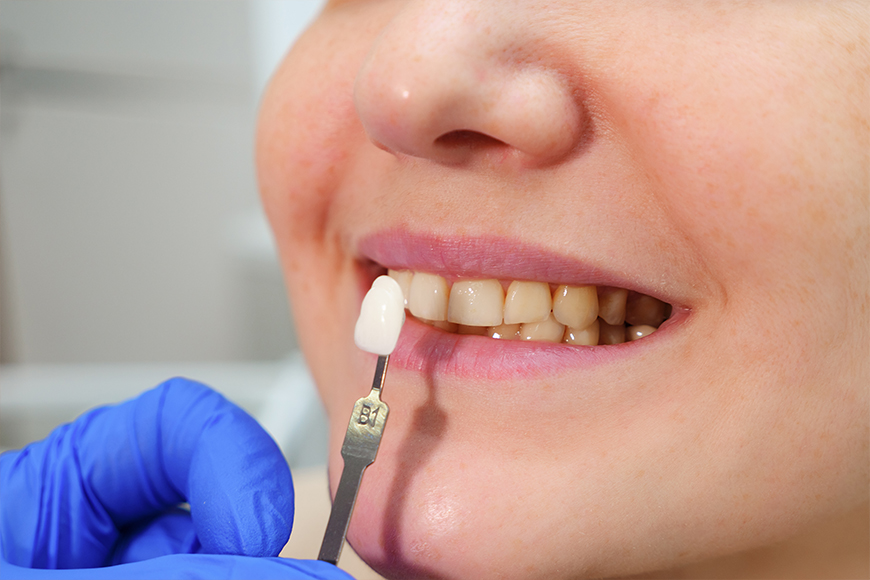
- For Bonding: We apply a shade-matched composite resin, sculpt it to look natural, and cure it with a special light.
- For Recementing: We apply a medicated luting agent that seals the tooth and prevents sensitivity, then firmly press the crown back into place.
- For Replacement: If a new crown is needed, we prep the tooth, take precision digital impressions, and place a temporary crown to protect you while your custom restoration is crafted.
Step 4: Bite Adjustment
We check your bite using marking paper to ensure the repaired crown meets your opposing teeth perfectly. A high bite is a leading cause of post-procedure pain, so we are meticulous about this step.
Prevention: How to Extend the Life of Your Crown
Once your smile is restored, you want to keep it that way. Residents of Madison and Florham Park can extend the lifespan of their crowns with these simple habits:
- Wear a Night Guard: If you grind your teeth, a custom night guard is the cheapest insurance policy for your expensive dental work.
- Maintain Oral Hygiene: Brush twice daily and floss carefully around the crown. Use a “C-shape” flossing motion to clean the margin without popping the crown off.
- Avoid Hard Foods: Be mindful of ice, popcorn kernels, and hard sticky candies.
- Regular Check-ups: Visit us every six months. We can spot a loose crown or a small crack before it becomes a dental emergency.
Why Choose Madison Dentistry & Implant Center?
When it comes to restorative dentistry, experience matters. You need a team that combines artistic skill with medical precision. Here is why patients from Madison, Chatham, Morristown, and beyond trust us with their smiles:
- Local Expertise: We are proud members of the Madison, NJ community. We understand the needs of our local families and offer flexible scheduling to accommodate busy lives.
- Advanced Technology: We utilize state-of-the-art digital imaging and modern materials (like high-strength Zirconia and E.max) to ensure your repairs are durable and indistinguishable from natural teeth.
- Compassionate Care: We know dental repairs can be nerve-wracking. Our team is dedicated to a “patient-first” approach, ensuring you are comfortable, numb, and relaxed throughout the procedure.
- Emergency Availability: We know a broken front tooth is a social emergency. We strive to offer same-day or next-day appointments for urgent repairs.
Frequently Asked Questions (FAQs)
How much does it cost to repair a dental crown in NJ?
The cost varies depending on the issue. Recementing a crown or bonding a small chip is relatively inexpensive, often ranging from $100 to $300. However, if the crown must be replaced, the cost will be higher, typically between $1,000 and $2,000 depending on the material. We accept most major insurance plans and offer financing options to help manage the cost.
Does repairing a crown hurt?
Generally, no. If the tooth has had a root canal previously, you won’t feel anything. If the tooth is vital (has a nerve), we will use a local anesthetic to ensure you are completely numb before we start working
Can I repair a broken crown at home?
No. While DIY dental kits exist, they are temporary measures only. Attempting to permanently glue a crown yourself can lead to trapped bacteria, severe decay, bite misalignment, and the eventual loss of the tooth.
How long does a repaired crown last?
A recemented crown can last for many more years if the underlying tooth is healthy. Composite repairs on chipped porcelain are durable but may stain or chip again over time (3-5 years) and might eventually require a full replacement.
Conclusion: Don't Let a Broken Crown Break Your Smile
A broken or loose dental crown is a signal from your body that your tooth needs attention. Ignoring it can lead to infection, severe pain, and the loss of your natural tooth structure. Whether it’s a simple recementing job or a full replacement, timely intervention is the key to saving your smile and your wallet.
At Madison Dentistry & Implant Center, we are ready to restore the function and beauty of your teeth with precision and care.
Actionable Next Step: Do you have a crown that feels “off,” or have you recently chipped a tooth? Don’t wait for it to get worse. Visit us at 268 Main St, Madison, NJ to schedule your consultation.