
Searching for dental dentures near me is often the first step for people looking for a practical solution to missing teeth. Dentures can replace missing teeth, support everyday oral functions, and help restore the appearance of a complete smile. However, choosing dentures involves more than simply finding the closest dental office.
The right denture solution depends on factors such as the number of missing teeth, oral health, gum condition, bite, lifestyle, and personal goals. Working with an experienced dental professional can help you understand your options and determine which type of denture may be appropriate for your needs.
What Are Dental Dentures?
Dental dentures are removable dental appliances designed to replace missing teeth. They can be used when several teeth are missing or when all natural teeth in an upper or lower arch have been lost.
Dentures are generally available in different forms. Complete dentures can replace an entire arch of teeth, while partial dentures are designed for patients who still have some natural teeth. Other options, such as immediate and implant-supported dentures, may also be considered depending on the patient’s circumstances.
Because every patient’s mouth is different, a dental examination is important before selecting a denture option.
Why Search for Dental Dentures Near Me?
Using the search term dental dentures near me can help patients find dental providers that are conveniently located and offer denture-related services. Location can be especially important because denture treatment may require multiple appointments.
A typical treatment process may involve an initial consultation, oral examination, impressions or digital scans, fitting appointments, and adjustments. Having a dental office nearby can make these visits more convenient.
Local providers may also be easier to contact if dentures become uncomfortable, loose, damaged, or require professional adjustment.
Types of Dentures
There are several denture options that may be discussed during a dental consultation.
Complete Dentures
Complete dentures are designed to replace all teeth in an upper or lower dental arch. They rest on the oral tissues and can be removed for cleaning and maintenance.
Partial Dentures
Partial dentures can replace multiple missing teeth while allowing remaining natural teeth to stay in place. Depending on the design, they may use clasps or other components for support and stability.
Immediate Dentures
Immediate dentures may be placed shortly after remaining teeth are removed. They can provide tooth replacement during the healing period, although adjustments may be necessary as the gums and underlying tissues change.
Implant-Supported Dentures
Implant-supported dentures use dental implants to provide additional support. Because implants are involved, patients require an evaluation to determine whether this treatment is suitable for their oral health and circumstances.
Your dentist can explain the advantages and limitations of each option before treatment begins.
What Happens During a Denture Consultation?
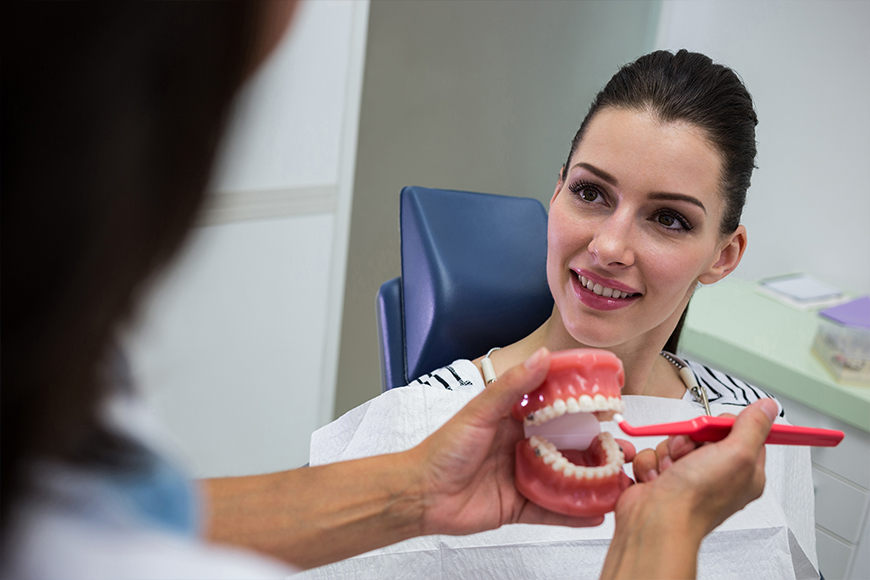
A denture consultation typically begins with an examination of the mouth. The dentist may evaluate the gums, remaining teeth, jaw, bite, and overall oral health.
The dental professional may also ask about your concerns, including difficulty chewing, changes in speech, or concerns about missing teeth.
If dentures are considered appropriate, the dentist can discuss available options and explain the fitting process. Impressions or digital scans may be taken to help create an appliance designed for your mouth.
Depending on the type of denture, additional appointments may be necessary for fitting, adjustments, and final placement.
Benefits of Properly Fitted Dentures
Dentures may help replace missing teeth and support everyday activities such as chewing and speaking. They can also restore the appearance of spaces created by tooth loss.
A properly designed denture may provide improved support compared with an appliance that does not fit correctly. However, individual experiences vary. Some patients may require an adjustment period before they feel comfortable using their new dentures.
Realistic expectations are important. Dentures are not identical to natural teeth, and adapting to them can take time.
How to Choose a Denture Provider Near You
When searching for dental dentures near me, consider more than the provider’s location.
Look for a dental practice that offers denture consultations, fitting, adjustments, and appropriate follow-up care. You may also want to consider the dentist’s experience, available treatment options, communication style, and approach to individualized care.
Before beginning treatment, ask questions about the type of denture being recommended, how the fitting process works, and what follow-up appointments may involve.
A consultation allows you to discuss your needs directly with a dental professional instead of relying only on general information found online.
Getting Used to New Dentures
Adjusting to new dentures can take time. Patients may initially notice changes in how they chew, speak, or feel the appliance in their mouth.
Some people find it helpful to begin with softer foods and gradually return to their usual diet as they become more comfortable. Practicing speaking can also help with the adjustment process.
If dentures cause persistent pain, pressure, irritation, or significant movement, contact your dentist. Professional adjustments may improve the fit.
Patients should avoid attempting to cut, reshape, or modify dentures at home because improper alterations can damage the appliance or affect how it functions.
Caring for Your Dentures
Good denture care is important for maintaining the appliance and supporting oral health.
Clean your dentures according to your dental provider’s instructions and use products that are appropriate for the denture material. Handle them carefully to reduce the risk of dropping or damaging them.
Patients should also maintain oral hygiene even when they no longer have natural teeth. The gums, tongue, palate, and other oral tissues still require regular care. If natural teeth remain, they should continue to receive appropriate brushing and professional dental care.
Routine dental appointments are also important because the condition of the mouth can change over time.
When Should Dentures Be Adjusted or Replaced?
Dentures may eventually require professional adjustment, repair, relining, or replacement. Changes in the gums, jaw, remaining teeth, or oral tissues can affect how an appliance fits.
Signs that dentures may need evaluation include:
- Persistent discomfort or sore areas
- Increased looseness or slipping
- Difficulty chewing
- Cracks or visible damage
- Changes in how the dentures fit
- Difficulty speaking comfortably
Instead of continuing to use an uncomfortable or damaged appliance, schedule an appointment with your dental provider. The dentist can determine what type of care is appropriate.
Questions to Ask Before Getting Dentures
Before choosing a denture provider, consider asking:
- Which type of dentures may be appropriate for me?
- How will my dentures be fitted?
- How long should I expect the adjustment period to last?
- How should I clean and store my dentures?
- What should I do if my dentures become uncomfortable?
- How often should I schedule dental examinations?
Having these questions answered can make the treatment process easier to understand and help you make an informed decision.
Frequently Asked Questions
1. How can I find dental dentures near me?
Start by searching for established dental practices that provide denture consultations and fitting services in your area. Consider the provider’s experience, available denture options, follow-up care, and patient communication. A consultation can help determine which treatment may fit your needs.
2. How long does it take to get dentures?
The timeline varies depending on the type of dentures, the condition of your mouth, whether teeth need to be removed, healing requirements, and the number of appointments needed for fitting and adjustments. Your dentist can provide a more personalized estimate.
3. Are dentures comfortable?
Dentures can become comfortable with proper design, fitting, and adjustment, although there may be an initial adaptation period. Persistent pain, pressure, or slipping should be discussed with your dentist so the appliance can be evaluated and adjusted if necessary.
4. How should I care for my dentures?
Follow your dental provider’s instructions for cleaning and storing your dentures. Maintain good oral hygiene for your gums and any remaining natural teeth, handle the appliance carefully, and attend regular dental appointments to monitor your oral health and denture fit.
5. How do I know if I need new dentures?
Loose dentures, repeated irritation, difficulty chewing, visible damage, or changes in how the appliance fits may indicate that professional evaluation is needed. Your dentist can determine whether an adjustment, repair, reline, or replacement is appropriate.
Conclusion
If you are searching for dental dentures near me, a professional dental consultation is a good place to start. Dentures can provide a tooth-replacement option for patients experiencing tooth loss, but the best choice depends on individual oral health, anatomy, and treatment needs.
An experienced dental provider can evaluate your mouth, explain available denture options, and guide you through fitting, adjustment, and ongoing care. With appropriate maintenance and regular dental visits, dentures can support everyday oral function while helping restore the appearance of a complete smile.