
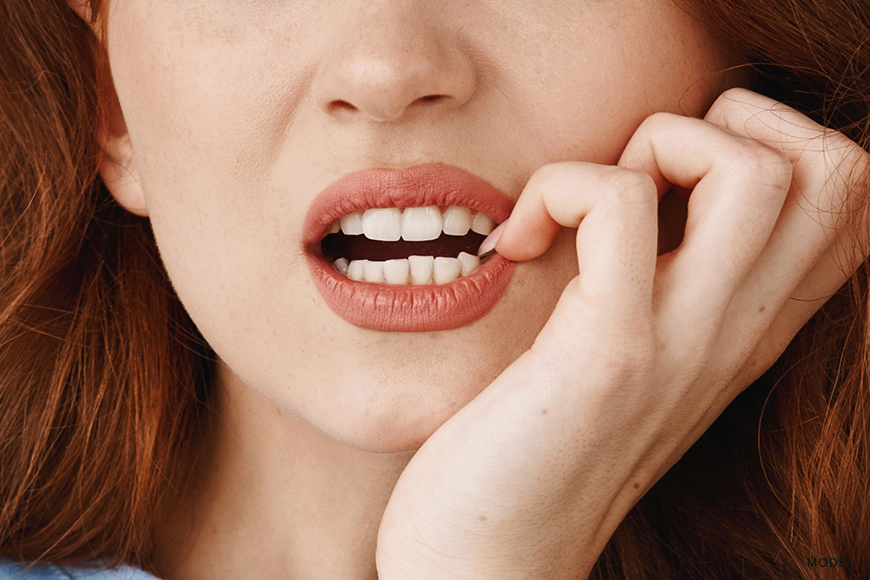
Imagine this: you are settling in for a cozy morning with a steaming cup of coffee, or perhaps enjoying a scoop of your favorite ice cream on a sunny afternoon. You take a bite or a sip, and suddenly—zing!—a sharp, shooting pain radiates through your mouth, stopping you in your tracks. If this scenario sounds painfully familiar, you are not alone. You might be dealing with dentin exposure, a highly common but incredibly frustrating dental condition.
Living with tooth sensitivity can feel like navigating a minefield every time you sit down for a meal. But the good news? You do not have to live with the pain. At Madison Dentistry & Implant Center in Madison, New Jersey, we see patients every day who are struggling with sensitive teeth.
In this comprehensive guide, we will dive deep into the science behind dentin exposure, uncover its root causes, and provide actionable, real-world solutions so you can go back to enjoying your favorite foods without fear.
What Exactly is Dentin? Anatomy of a Tooth
To understand why dentin exposure hurts, we first need to look at how your teeth are built. A healthy tooth is composed of three primary layers:
- Enamel: This is the hard, protective outer shell of the tooth crown. It is the hardest substance in the human body, designed to withstand the immense pressures of chewing.
- Dentin: Sitting just beneath the enamel (and the cementum on the tooth roots) is the dentin layer. Dentin is softer and naturally yellowish. It is packed with thousands of microscopic channels called dentinal tubules.
- Pulp: At the very center of the tooth lies the pulp, a soft tissue containing blood vessels and highly sensitive nerve endings.
The Hydrodynamic Theory of Pain
When your protective enamel wears away or your gums recede, the dentin becomes exposed to the oral environment. Because the dentinal tubules connect directly to the nerve endings in the pulp, external triggers—like a blast of cold air or hot soup—cause the fluid inside these microscopic tubes to shift rapidly. This sudden fluid movement triggers the nerves, resulting in that classic, sharp jolt of pain known clinically as dentin hypersensitivity.
The Root of the Problem: Common Causes of Dentin Exposure
Dentin does not become exposed overnight. It is usually the result of gradual wear and tear, lifestyle habits, or underlying oral health issues. Here are the most common culprits:
1. Enamel Erosion from Dietary Acids
Every time you consume highly acidic foods and beverages—like citrus fruits, sodas, sports drinks, and wine—the pH in your mouth drops. This acidic environment softens and demineralizes the enamel. Over time, chronic acid exposure literally washes the enamel away, leaving the dentin defenseless.
2. Gum Recession and Periodontal Disease
Your gums are supposed to fit snugly around your teeth, protecting the delicate tooth roots (which do not have a thick layer of enamel to protect them). If your gums recede due to periodontal (gum) disease, aging, or poor genetics, the root dentin is immediately exposed to the elements.
3. Overzealous Brushing
More force does not equal cleaner teeth. Brushing your teeth too aggressively, especially with a hard-bristled toothbrush or highly abrasive whitening toothpaste, acts like sandpaper on your teeth and gums. This mechanical wear (abrasion) strips away enamel and physically pushes the gumline down.
4. Bruxism (Teeth Grinding and Clenching)
Millions of people grind their teeth at night due to stress or airway issues, a condition known as bruxism. The sheer mechanical force of grinding can fracture, chip, and wear down the biting surfaces of your teeth, rapidly wearing away the enamel and exposing the underlying dentin.
5. Medical Conditions: GERD and Bulimia
Medical conditions that introduce stomach acid into the mouth—such as Gastroesophageal Reflux Disease (GERD) or eating disorders like bulimia—cause severe, rapid enamel erosion, often on the back surfaces of the teeth.
Signs and Symptoms You Shouldn't Ignore
How do you know if you are dealing with exposed dentin or just a standard toothache? Dentin hypersensitivity has very specific triggers. You will likely experience a short, sharp burst of pain when your teeth are exposed to:
- Thermal Triggers: Hot coffee, ice water, ice cream, or even breathing in cold winter air.
- Chemical Triggers: Highly sweet candies, sugary desserts, or acidic foods like tomatoes and grapefruits.
- Tactile Triggers: The physical touch of a toothbrush bristle, dental floss, or a metal dental instrument during a cleaning.
When to see a dentist: If your pain lingers for minutes or hours after the trigger is removed, or if it presents as a dull, throbbing ache that keeps you awake at night, this may indicate a deeper infection or a cavity rather than simple dentin exposure.
Actionable Tips: At-Home Relief for Sensitive Teeth
Before you resort to extreme measures, there are several highly effective, actionable steps you can take at home to manage and minimize the pain of exposed dentin.
Upgrade Your Oral Hygiene Toolkit
- Switch to a Desensitizing Toothpaste: Look for toothpastes containing active ingredients like potassium nitrate or stannous fluoride. These compounds work by either blocking the dentinal tubules or numbing the nerve transmissions. Pro Tip: It takes about two to four weeks of consistent use to feel the full effects. You can even dab a little bit of the toothpaste directly onto the sensitive spot before bed and leave it overnight.
- Ditch the Hard Bristles: Throw away any medium or hard-bristled toothbrushes. Switch to an ultra-soft brush and let the bristles do the work using gentle, circular motions rather than harsh, back-and-forth sawing.
Modify Your Diet
- Limit Acidic and Sugary Offenders: Cut back on sodas, citrus, and sticky sweets.
- The 30-Minute Rule: If you do consume something acidic, do not brush your teeth immediately. Your enamel is temporarily softened by the acid, and brushing will scrub it away. Instead, rinse vigorously with plain water to neutralize the pH, and wait at least 30 minutes before brushing.
Protect Your Teeth at Night
- If you wake up with a sore jaw or notice your teeth looking flatter, you may be a nighttime grinder. An over-the-counter boil-and-bite mouthguard can offer temporary relief, but a custom-fitted nightguard from your dentist is the best long-term defense against enamel wear.
Professional Treatments at Madison Dentistry & Implant Center
Sometimes, home remedies simply are not enough to combat severe dentin exposure. That is where professional intervention comes in. At Madison Dentistry & Implant Center, we offer state-of-the-art, customized treatments to get you out of pain permanently.
Located conveniently in Madison, NJ, we proudly serve our local community and the surrounding cities of Chatham, Florham Park, Morristown, Summit, and Millburn. When you visit our clinic, we may recommend one of the following targeted therapies:
1. Professional Fluoride Varnish
We can apply a highly concentrated fluoride varnish or gel directly to the sensitive areas. This treatment strengthens the remaining enamel and helps to immediately calcify and block the open dentinal tubules, shutting down the pain signals.
2. Dental Bonding and Sealants
If the dentin exposure is localized (like a notch near the gumline or a chipped tooth), we can use a tooth-colored composite resin to physically cover and seal the exposed dentin. This “dental bonding” acts as an artificial enamel layer, instantly curing the sensitivity.
3. Gum Graft Surgery
If severe gum recession is the root cause of your exposed dentin, we may refer you to a periodontist for a gum graft. This procedure takes healthy tissue from the roof of your mouth (or a donor source) and grafts it over the exposed roots, restoring your gumline and protecting the dentin.
4. Restorative Dentistry (Crowns and Inlays)
For teeth that have suffered extensive enamel loss due to severe grinding or acid erosion, a dental crown or inlay may be necessary to rebuild the tooth’s structure and fully encapsulate the exposed dentin.
5. Root Canal Therapy
In the most extreme cases, if the dentin hypersensitivity is completely unmanageable and greatly affecting your quality of life, root canal therapy may be the final option. This procedure removes the sensitive nerve entirely, eliminating the pain once and for all.
Frequently Asked Questions (FAQs)
Can exposed dentin heal or grow back?
Unfortunately, no. Unlike your skin or bones, enamel and dentin do not contain living cells that can regenerate or “grow back” once they are lost. However, the exposed tubules can be remineralized and blocked using fluoride and desensitizing agents to stop the pain.
Can I get a veneer if I have a cavity?
A: Teeth whitening agents (like hydrogen peroxide) easily penetrate the dentinal tubules and can cause severe, albeit temporary, spikes in sensitivity. If you have exposed dentin, you should consult with our team at Madison Dentistry & Implant Center before using any over-the-counter whitening strips. We can provide safer, sensitivity-conscious professional whitening options.
How long does sensitivity last after a dental filling?
It is very common to experience mild dentin hypersensitivity for a few days to a couple of weeks after getting a deep filling or crown. If the pain persists beyond a few weeks, or gets worse, contact your dentist for an adjustment.
TL;DR: Key Takeaways
Short on time? Here is what you need to know about dentin exposure:
- What it is: The loss of protective enamel or receding gums that exposes the sensitive inner layer of the tooth (dentin).
- Why it hurts: Fluid inside the exposed microscopic tubules shifts when triggered by hot, cold, sweet, or acidic stimuli, aggravating the tooth nerve.
- Top Causes: Acidic diets, aggressive brushing, teeth grinding, and gum disease.
- At-Home Fixes: Switch to a soft-bristled brush, use potassium nitrate toothpaste, and wait 30 minutes to brush after consuming acidic foods.
- Professional Fixes: Fluoride varnishes, dental bonding, gum grafts, or custom nightguards provided by your dentist.
Stop Wincing and Start Smiling Again
Dealing with the sharp, unpredictable pain of dentin exposure can take the joy out of your favorite meals and daily routines. But it is vital to remember that this pain is your body’s check-engine light. Ignoring it won’t make it go away; it will likely only lead to further enamel wear, deeper decay, and more complex dental issues down the road.
If you are tired of avoiding hot coffee and ice cream, it is time to take action. For residents of Madison, NJ, and the neighboring communities of Chatham, Florham Park, Morristown, Summit, and Millburn, expert, compassionate care is right around the corner.
At Madison Dentistry & Implant Center, we specialize in diagnosing the true cause of your tooth sensitivity and crafting personalized treatment plans to restore your comfort and protect your smile for years to come.
Ready to enjoy a pain-free smile? Contact Madison Dentistry & Implant Center today to schedule your comprehensive consultation.