

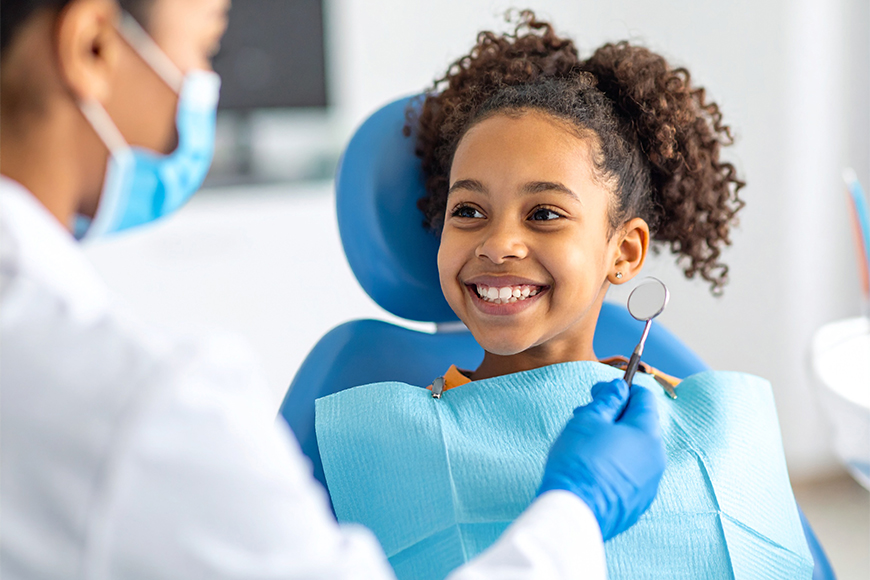
Seeing your baby’s first tooth break through the gums is a major milestone. It’s a moment of joy, quickly followed by a realization: I have to take care of these things now. For many parents, the topic of baby teeth brings up a mix of emotions. It is completely normal to feel a bit overwhelmed or anxious about brushing a squirming toddler’s teeth, or wondering when to schedule that first dental appointment. However, grounding ourselves in the facts of pediatric dental care is the best way to ensure our children grow up with healthy, confident smiles.
A common misconception is that because baby teeth eventually fall out, they don’t require the same level of meticulous care as adult teeth. This couldn’t be further from the truth. Neglected baby teeth can lead to severe pain, infections, and complications that impact the permanent teeth waiting below the surface.
In this comprehensive guide, we will explore everything you need to know about baby teeth, why seeing a specialized pediatric dentist is non-negotiable, and how to set your child up for a lifetime of excellent oral health.
Why Baby Teeth Are More Important Than You Think
Primary teeth—often called baby teeth—play a profound role in your child’s early development. They are not just temporary place fillers; they are essential functional tools. Here is why those tiny teeth require serious attention:
1. The Ultimate Space Savers
Baby teeth act as biological placeholders for permanent teeth. When a baby tooth is lost too early due to decay or injury, the surrounding teeth can naturally shift or drift into the empty space. When it’s time for the adult tooth to erupt, there may not be enough room, leading to crowding, crooked teeth, and a high likelihood of needing extensive orthodontic work (like braces) down the road.
2. Speech Development
Try speaking without your front teeth. It’s difficult, right? The tongue needs to press against the back of the front teeth to form complex sounds like “th,” “s,” “v,” and “f.” Healthy baby teeth are vital for a child learning to speak clearly and articulately.
3. Proper Chewing and Nutrition
Digestion begins in the mouth. If a child has painful cavities or missing baby teeth, they will naturally avoid foods that are hard to chew, such as crisp vegetables, fruits, and lean proteins. This can quickly lead to nutritional deficiencies and a preference for highly processed, soft, sugary foods—which only accelerates tooth decay.
4. Confidence and Self-Esteem
Even at a young age, children are highly perceptive of their appearance. Healthy, bright baby teeth allow children to smile, laugh, and interact with their peers without feeling self-conscious or hiding their mouths.
When Should Your Child Visit a Pediatric Dentist?
The American Academy of Pediatric Dentistry (AAPD) has a very clear and grounded rule of thumb: “First tooth or first birthday.” You should schedule your child’s first dental visit within six months of the eruption of their first tooth, or by their first birthday—whichever comes first.
While this might seem early to some, this initial visit is largely preventative. It allows the dentist to establish a “dental home” for your child, check for early signs of decay, and evaluate the development of their jaw and gums. More importantly, it gives you—the parent—a chance to learn proper brushing techniques, discuss dietary habits, and ask questions about teething, pacifiers, or thumb-sucking.
Choosing the Right Dental Care: Spotlight on Madison Dentistry & Implant Center
Finding a dental team that understands the unique psychological and physiological needs of children is paramount. If you are located in Morris County, you don’t have to look far for top-tier care.
Madison Dentistry & Implant Center, located right in the heart of Madison, New Jersey, is uniquely equipped to handle the needs of your entire family, from your baby’s first tooth to comprehensive adult care. Their compassionate team understands that visiting the dentist can be scary for little ones. They focus on creating a welcoming, stress-free environment that normalizes dental care, turning tears into high-fives.
Whether you are a local Madison resident, or making the short drive from surrounding communities like Chatham, Morristown, Florham Park, or Summit, Madison Dentistry & Implant Center provides convenient, expert, and empathetic care. Local families trust them because they blend state-of-the-art technology with a gentle, patient-first approach, ensuring that your child’s introduction to oral health is a positive one.
Common Baby Tooth Problems and Actionable Prevention Tips
Baby teeth have much thinner enamel than adult teeth, making them highly susceptible to decay. Here are the most common issues and how to prevent them:
Early Childhood Caries (Baby Bottle Tooth Decay)
This occurs when a baby’s teeth are frequently exposed to sugary liquids for prolonged periods. The most common culprit is putting a baby to bed with a bottle of milk, formula, or juice. The sugars pool around the teeth while the baby sleeps, feeding bacteria that produce enamel-destroying acids.
- Actionable Tip: Never put your child to sleep with a bottle containing anything other than plain water. If your baby needs to nurse or have a bottle before bed, be sure to gently wipe their gums or brush their teeth afterward.
Thumb Sucking and Pacifier Use
Sucking is a natural reflex that comforts infants. However, if thumb sucking or pacifier use continues past the age of 3 or 4, it can significantly alter the shape of the jaw and the alignment of the teeth, leading to an “open bite.”
- Actionable Tip: Gently encourage your child to give up the pacifier by age two. Praise them for not sucking their thumb, and identify their stress triggers to offer alternative comforts (like a favorite blanket or stuffed animal). If the habit persists, consult your dentist at Madison Dentistry & Implant Center for intervention strategies.
Proper Brushing Techniques
Many parents struggle with brushing their toddler’s teeth. It can feel like a wrestling match.
- Actionable Tip: Make it a game! Let them choose a toothbrush featuring their favorite cartoon character. Use a tiny smear (the size of a grain of rice) of fluoride toothpaste for kids under 3, and a pea-sized amount for kids aged 3 to 6. Brush for two minutes, twice a day, and remember: parents should assist with brushing until the child has the dexterity to tie their own shoes (around age 7 or 8)
What to Expect During the First Dental Visit
If you are feeling anxious about your child’s first visit, know that pediatric dental professionals are trained for this. They do not expect your one-year-old to sit perfectly still.
Typically, the first visit involves a “lap-to-lap” exam. You and the dentist will sit knee-to-knee. You will hold your child in your lap, facing you, and gently lay them back so their head rests in the dentist’s lap. This keeps the child close to you for comfort while giving the dentist a clear view of their mouth.
The dentist will count their teeth, check the gums, and gently clean the teeth. Personal anecdote: Many parents report that singing a familiar song or holding their child’s hands during this quick process completely distracts the baby, resulting in a smooth, tear-free exam!
TL;DR - Key Takeaways for Parents
If you are scanning for the most important facts, here is what you need to remember:
- Baby teeth are crucial: They save space for adult teeth, aid in speech, and allow for proper nutrition.
- The First Visit: Schedule your child’s first dental visit by their first birthday or when their first tooth appears.
- No Bottles in Bed: Prevent rapid decay by only offering water in nighttime bottles.
- Help Them Brush: Parents need to assist with brushing until the child is about 7 or 8 years old.
- Local Experts: For families in Madison, Chatham, Morristown, Florham Park, and Summit, Madison Dentistry & Implant Center is your premier local choice for establishing a positive, lifelong dental home.
Frequently Asked Questions (FAQs)
Is fluoride toothpaste safe for my baby?
Yes, but in strict moderation. The American Dental Association recommends using a tiny smear of fluoride toothpaste (the size of a grain of rice) as soon as the first tooth appears. This provides the protective benefits of fluoride while minimizing the risk of fluorosis if they swallow it.
My child's permanent tooth is coming in behind their baby tooth. Is this an emergency?
This is affectionately known as “shark teeth” and is surprisingly common. In most cases, the baby tooth will eventually fall out on its own, and the tongue will push the adult tooth forward into the correct position. However, if the baby tooth isn’t loose at all, schedule an appointment with your dentist to see if a gentle extraction is necessary.
What should I do if my child knocks out a baby tooth?
Stay calm. Unlike adult teeth, you should never try to reinsert a knocked-out baby tooth, as doing so can damage the developing permanent tooth underneath. Control any bleeding with a clean gauze and contact Madison Dentistry & Implant Center immediately for an evaluation.
How can I relieve my baby's teething pain?
Stick to safe, reality-based remedies. Offer firm teething rings (chilled, not frozen, in the fridge) or gently massage their gums with a clean finger. Avoid homeopathic teething gels containing benzocaine or belladonna, as the FDA has warned against these due to potential health risks.
Conclusion: Pediatric Dentist For Baby Tooth
Your child’s smile is one of their most precious assets, and caring for their baby teeth is the first step in protecting it. By understanding the vital role primary teeth play in their overall development, practicing diligent home care, and partnering with an experienced dental team, you can set your child up for a lifetime of oral health success.
Don’t wait until there is a problem to schedule a visit. Preventative care is always the easiest, most comfortable, and most cost-effective path.
If you live in Madison, New Jersey, or the surrounding towns of Chatham, Morristown, Florham Park, or Summit, take action today. Contact Madison Dentistry & Implant Center to schedule your child’s visit. Their expert, compassionate team is ready to guide you through every milestone of your child’s dental journey.