

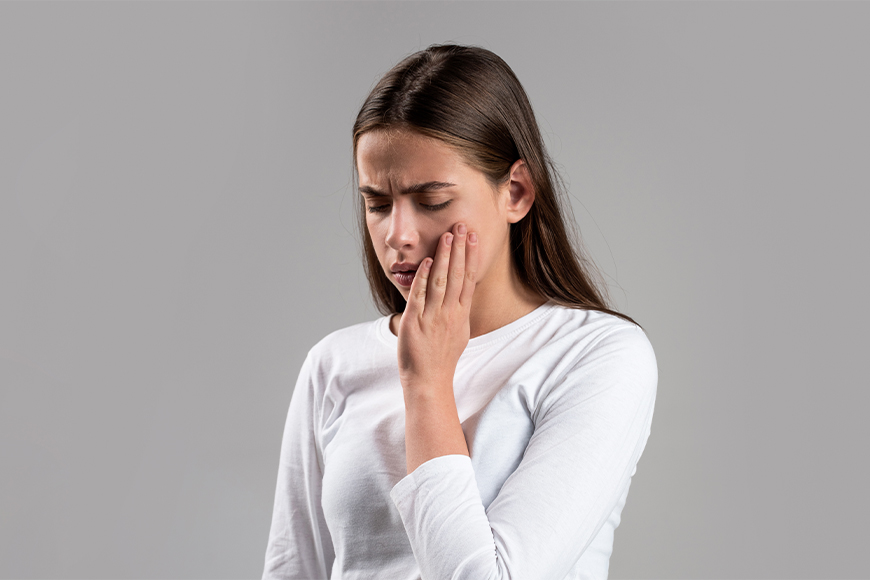
Are you experiencing a jolt of pain when you sip a cold drink after getting a new dental filling? Or maybe a sharp ache when you bite down on something sweet? You’re not alone. Sensitive teeth after filling are a surprisingly common experience, leaving many wondering if something went wrong or if this discomfort is simply part of the healing process. At Madison Dentistry & Implant Center, we understand your concerns, and we’re here to shed light on why this happens, what you can do about it, and when it’s time to seek professional advice.
Getting a dental filling is a routine procedure designed to restore a tooth damaged by decay or fracture, preventing further deterioration and preserving your oral health. While fillings are incredibly beneficial, the immediate aftermath can sometimes be accompanied by an unwelcome guest: tooth sensitivity. This article will delve deep into the causes of post-filling sensitivity, explore effective strategies for managing the discomfort, and equip you with the knowledge to navigate this common dental phenomenon with confidence. Let’s get to the root of the problem and find your path back to comfortable chewing and sipping!
Understanding the “Why”: What Causes Sensitive Teeth After a Filling?
The human tooth is a marvel of biological engineering, but it’s also incredibly intricate. When a dentist places a filling, they are working within a very sensitive environment. Several factors can contribute to that post-filling zing:
1. Pulp Inflammation (Pulpitis)
This is one of the most common culprits. The pulp is the innermost part of your tooth, containing nerves and blood vessels. When a cavity is drilled and prepared for a filling, the drilling process itself, the materials used, or even the depth of the cavity can irritate the pulp. This irritation, known as pulpitis, can manifest as sensitivity to hot, cold, or pressure.
- Temporary Pulpitis: Often, this inflammation is mild and temporary, resolving on its own within a few days or weeks as the pulp heals. This is the most common scenario for post-filling sensitivity.
- Irreversible Pulpitis: In rarer cases, especially with very deep cavities, the pulp may be too severely damaged to heal on its own. This can lead to persistent and intense pain, indicating the need for further treatment like a root canal.
2. Bite Alignment Issues
Sometimes, a new filling might be slightly too high, even by a fraction of a millimeter. When you bite down, this uneven contact can put excessive pressure on the filled tooth, leading to sensitivity and pain. Your dentist at Madison Dentistry & Implant Center will always check your bite after a filling, but sometimes adjustments are needed after you’ve had a chance to chew on it at home.
3. Gap Between Filling and Tooth
If there’s a tiny gap between the filling material and your natural tooth structure, it can allow microscopic amounts of fluid and bacteria to seep in, irritating the underlying dentin and pulp. This can lead to persistent sensitivity. Modern filling techniques and materials aim to create a strong, sealed bond, but it’s a factor to consider.
4. Tooth Grinding (Bruxism)
If you habitually grind or clench your teeth, especially at night, the added stress on a newly filled tooth can exacerbate sensitivity. The constant pressure can irritate the pulp and prevent proper healing.
5. Allergic Reaction to Filling Material (Rare)
While extremely uncommon, some individuals might have a mild allergic reaction to certain components of the filling material. This would typically manifest as more widespread symptoms beyond just sensitivity in the filled tooth.
6. Referred Pain
Sometimes, pain can be “referred” from another tooth or even a sinus issue, making it seem like the discomfort is coming from your newly filled tooth. This highlights the importance of a thorough examination if sensitivity persists.
Navigating the Discomfort: Effective Strategies for Managing Sensitive Teeth
Good news! In most cases, post-filling sensitivity is temporary and manageable. Here are actionable tips to help you find relief and promote healing:
1. Embrace Sensitivity Toothpaste
This is often the first line of defense. Desensitizing toothpastes contain compounds like potassium nitrate or strontium chloride that help block microscopic tubules in the dentin, reducing the transmission of pain signals to the tooth’s nerve. Use it consistently, twice a day, for at least a few weeks to see noticeable results.
2. Be Mindful of Temperature Extremes
For the first few days or weeks, try to avoid very hot or very cold foods and beverages. Opt for lukewarm or room-temperature options. This gives your tooth time to recover without constant thermal shock.
3. Chew Gently and Avoid the Filled Side (Initially)
Give your newly filled tooth a break! Try to chew on the opposite side of your mouth for a day or two, especially for harder or stickier foods. Gradually reintroduce chewing on the filled side as discomfort subsides.
4. Practice Excellent Oral Hygiene
Keeping the area clean is crucial for healing. Brush gently around the filled tooth with a soft-bristled toothbrush. Flossing carefully around the filling can also help remove any food particles that might be irritating the area. Good oral hygiene reduces bacteria and promotes a healthier environment for recovery.
5. Consider Over-the-Counter Pain Relievers
If the discomfort is bothersome, over-the-counter pain relievers like ibuprofen (Advil, Motrin) or acetaminophen (Tylenol) can help manage the pain and reduce inflammation. Always follow the dosage instructions on the packaging.
6. Avoid Acidic Foods and Drinks
Highly acidic foods and beverages (citrus fruits, sodas, fruit juices, vinegar-based dressings) can temporarily increase tooth sensitivity by eroding tooth enamel and exposing underlying dentin. Limit your intake, especially while your tooth is recovering.
7. Address Bruxism (If Applicable)
If you suspect you’re grinding your teeth, discuss it with your dentist at Madison Dentistry & Implant Center. They may recommend a nightguard to protect your teeth from the damaging forces of clenching and grinding, which can significantly reduce post-filling sensitivity and prevent further dental issues.
8. Saltwater Rinses
A warm saltwater rinse can be surprisingly soothing. Mix half a teaspoon of salt in a glass of warm water and gently swish it around your mouth for 30 seconds multiple times a day. Saltwater acts as a natural antiseptic and can help reduce inflammation.
When to Seek Professional Advice from Madison Dentistry & Implant Center
While temporary sensitivity is common, there are instances where persistent or worsening pain warrants a visit back to your dentist. Don’t hesitate to contact Madison Dentistry & Implant Center if you experience any of the following:
- Sensitivity that Worsens or Doesn’t Improve: If the sensitivity doesn’t gradually decrease after a few weeks, or if it intensifies, it’s a sign to get it checked.
- Sharp Pain When Biting Down: This often indicates a bite alignment issue, and your dentist can easily adjust the height of the filling.
- Constant, Throbbing Pain: This could be a sign of irreversible pulpitis, an infection, or another underlying issue that requires immediate attention.
- Pain that Wakes You Up at Night: Nighttime pain, especially if it’s severe, is usually a red flag and suggests a more significant problem.
- Swelling Around the Filled Tooth or Gums: Swelling could indicate an infection.
- Sensitivity to Both Hot and Cold: While sensitivity to one or the other is common, strong reactions to both can sometimes indicate deeper irritation.
During your follow-up visit, your dentist at Madison Dentistry & Implant Center will assess your symptoms, examine the filling, and may take an X-ray to determine the cause of the sensitivity. Depending on the diagnosis, solutions could range from a simple bite adjustment to a re-filling, or in rare cases, a root canal if the pulp is irreversibly damaged.
The Importance of Follow-Up Care
Getting a filling is just one step in maintaining your oral health. Regular dental check-ups and cleanings at Madison Dentistry & Implant Center are vital for monitoring the longevity of your fillings, identifying any potential issues early on, and ensuring your overall oral well-being. Good home care, combined with professional guidance, is your best defense against future dental problems. Madison Dentistry & Implant Center is also visited by patients from neighboring cities, including the boroughs of Florham Park and Chatham, and the townships of Chatham, Harding, and Morris.
Conclusion: Sensitive Teeth After Filling
Experiencing sensitive teeth after a filling is a common and often temporary side effect of a necessary dental procedure. By understanding the underlying causes and implementing the simple yet effective strategies outlined in this guide, you can significantly alleviate discomfort and promote faster healing. Remember to be patient with your body’s healing process, maintain excellent oral hygiene, and be mindful of what you eat and drink.
Most importantly, don’t hesitate to communicate any persistent or worsening symptoms to your trusted dental professionals at Madison Dentistry & Implant Center. Your comfort and oral health are our top priorities. By being proactive and informed, you can quickly move past the temporary discomfort and enjoy the lasting benefits of a restored, healthy smile. Schedule an appointment today!