
Are you dreaming of a flawless smile? Dental veneers have transformed countless smiles, offering a dramatic improvement for discolored, chipped, misaligned, or uneven teeth. But as with any significant dental procedure, understanding the potential Veneer Side Effects and risks is paramount to making an informed decision. At Madison Dentistry & Implant Center, we believe in empowering our patients with knowledge, ensuring you feel confident and prepared for your smile journey. This comprehensive guide will delve deep into the nuances of veneers, exploring common side effects, long-term risks, and crucial maintenance tips to ensure your radiant smile lasts for years.
What Exactly Are Dental Veneers?
Before we explore the potential drawbacks, let’s briefly understand what dental veneers are. Veneers are custom-made, thin shells typically crafted from porcelain or composite resin, designed to cover the front surface of your teeth. They are bonded to the teeth, changing their color, shape, size, or length, thus creating a more aesthetically pleasing appearance. While often chosen for cosmetic enhancements, they can also address minor structural imperfections.
Navigating the Immediate Landscape: Common Veneer Side Effects
After the veneer placement, it’s normal to experience a period of adjustment. While generally not severe, being aware of these common Veneer Side Effects can help you prepare and manage your post-procedure experience.
1. Tooth Sensitivity: A Common Post-Procedure Companion
One of the most frequently reported Veneer Side Effects is increased tooth sensitivity, especially to hot or cold foods and beverages. This occurs because a small amount of enamel is typically removed from the tooth’s surface during the preparation process to allow the veneer to fit seamlessly. This exposure of the underlying dentin, which contains microscopic tubules leading to the tooth’s nerve, can lead to temporary discomfort.
- Why it happens: Enamel removal exposes the sensitive dentin.
- Duration: Sensitivity usually subsides within a few days to three weeks as your teeth adjust.
- Management:
- Use desensitizing toothpaste.
- Avoid extreme temperatures in foods and drinks.
- Over-the-counter pain relievers can help with initial discomfort.
- If sensitivity persists beyond 3 to 6 months or worsens, it’s crucial to contact your dentist at Madison Dentistry & Implant Center, as it could indicate a more serious issue like an inflamed nerve or infection.
2. Gum Irritation and Adjustment: A Gentle Transition
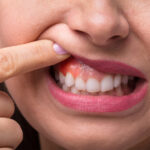
Your gum tissues may also need time to adjust to the presence of the new veneers. Minor inflammation, redness, or discomfort in the gums surrounding the veneered teeth are possible initially.
- Why it happens: Gums reacting to new materials or slight trauma during placement.
- Prevention & Management:
- Properly fitted veneers are essential to minimize irritation.
- Maintain meticulous oral hygiene, gently brushing and flossing around the veneer margins.
- Persistent discomfort or swelling should be evaluated by your dentist to rule out improper fit or early signs of gum issues.
3. Mild Discomfort: A Temporary Sensation
Although the veneer placement procedure is generally considered minimally invasive and largely painless, some individuals might experience mild discomfort or soreness immediately after. This is typically manageable and short-lived.
- Management: Over-the-counter pain medication can usually alleviate this discomfort. If pain is severe or doesn’t improve, seek dental advice.
4. Irregularities in Color: The Nuance of Aesthetics
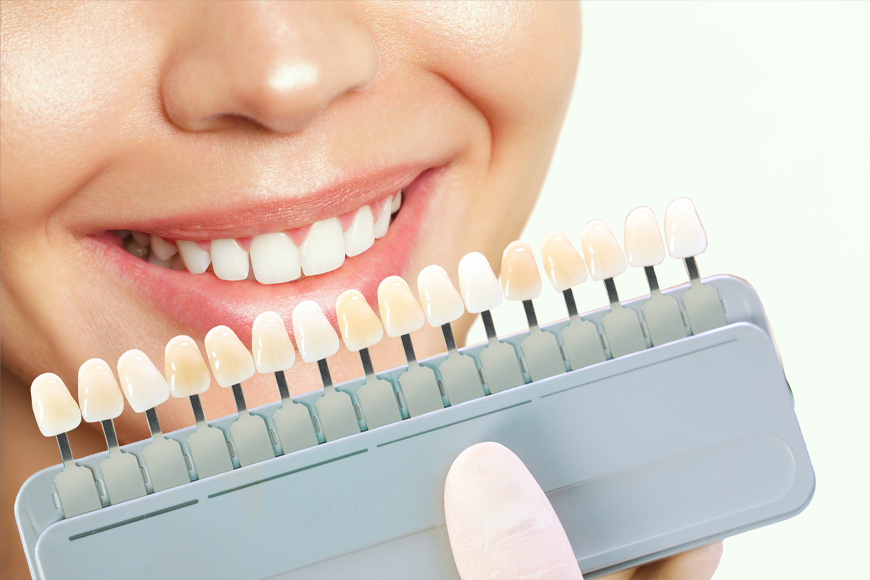
Though rare with expert placement, there’s a slight possibility of the veneer not perfectly matching the color of adjacent natural teeth, or discoloration appearing along the edges over time. The bonding cement used can also change color.
- Prevention: Thorough communication with your dentist about your desired shade before veneer placement is crucial. If teeth whitening is a primary goal, it should be discussed and ideally completed before veneers are made. Regular professional cleanings can help maintain the color of your veneers and natural teeth.
Beyond the Immediate: Long-Term Risks and Potential Complications
While veneers offer a durable solution, it’s important to be aware of potential long-term considerations and complications that can be considered significant Veneer Side Effects.
1. The Irreversible Nature of Veneers: A Lifelong Commitment
One of the most significant aspects of traditional veneers is their irreversibility. To achieve a natural look and proper fit, a small amount of tooth enamel is removed. Once enamel is removed, it does not regenerate. This means that once you have veneers, your teeth will always require some form of restoration, whether it’s veneers or another dental solution, for the rest of your life.
2. Chipping, Cracking, or Debonding: Durability Under Pressure
Despite their strength, veneers can chip, crack, or even detach from the tooth surface. This can occur due to:
- Excessive force: Biting on hard objects (ice, nuts, pens), using teeth as tools, or trauma to the mouth.
- Bruxism (teeth grinding/clenching): This habit puts immense pressure on veneers, increasing the risk of damage.
- Poor bonding techniques: Inadequate adherence to the tooth surface can lead to detachment.
- Wear and tear: Over many years, veneers can naturally wear down.
- Prevention:
- Avoid biting hard objects.
- Wear a custom-fitted nightguard if you grind or clench your teeth.
- Maintain excellent oral hygiene to protect the underlying tooth and bonding.
- Regular dental check-ups are vital for early detection of issues.
- What to do if damaged: If a veneer chips, cracks, or detaches, contact your dentist at Madison Dentistry & Implant Center immediately. Do not attempt to reattach it yourself.
3. Increased Risk of Tooth Decay Underneath: The Hidden Threat
While veneers themselves are resistant to decay, the natural tooth structure underneath remains susceptible to cavities. If the veneer is not perfectly fitted or if oral hygiene is neglected, bacteria and plaque can accumulate at the margins (edges) of the veneer, potentially leading to decay.
- Prevention: Meticulous oral hygiene (brushing and flossing twice daily) and regular professional cleanings are crucial. The skill of your dentist in ensuring a precise fit is also paramount.
4. Gum Recession: A Gradual Change
In some cases, especially if veneers are poorly fitted or if a patient has a history of gum disease, the placement of veneers can contribute to gum recession. This can expose the tooth root, leading to increased sensitivity and an undesirable aesthetic.
- Prevention: Addressing any existing gum disease before veneer placement and ensuring precise fit by an experienced dentist are key.
5. Impact on Natural Tooth Structure and Pulp Damage: Rare but Serious
Although rare, the process of preparing teeth for veneers, particularly the removal of enamel, can sometimes compromise the underlying tooth structure. In very rare instances, this can lead to trauma to the tooth’s pulp (the innermost part containing nerves and blood vessels), potentially causing pulpitis or even pulp death. In such cases, a root canal or other restorative procedures may be necessary.
6. Allergic Reactions: A Very Uncommon Occurrence
Allergic reactions to the materials used in veneers (e.g., composite resin components) are extremely rare. Dentists typically use biocompatible materials and will inquire about any known allergies during your consultation.
7. Aesthetic Dissatisfaction: Bridging Expectations
While not a physical side effect, aesthetic dissatisfaction can occur if the final result does not meet the patient’s expectations. This highlights the importance of thorough consultation, clear communication with your dentist, and perhaps even digital smile design or wax-up models to visualize the outcome before treatment.
Mitigating Risks: Factors Influencing Veneer Success
The longevity and success of your veneers, and the likelihood of experiencing Veneer Side Effects, are significantly influenced by several factors:
- The Skill and Experience of Your Dentist: A highly skilled dentist, like those at Madison Dentistry & Implant Center, will ensure precise tooth preparation, accurate impressions, and flawless bonding, all of which are critical for preventing complications and ensuring a seamless fit that promotes gum health.
- Your Oral Hygiene Habits: Consistent and proper brushing and flossing are non-negotiable. They are fundamental in preventing plaque buildup, decay, and gum disease, which can compromise both your natural teeth and your veneers.
- Pre-existing Dental Conditions: Conditions like active tooth decay, gum disease, or severe teeth grinding must be addressed before veneer placement. Ignoring these can significantly increase the risk of complications.
- Quality of Materials: The materials used for your veneers impact their durability, stain resistance, and overall aesthetic. Discussing material options with your dentist is important.
Extending the Life of Your Smile: Actionable Tips for Veneer Care
To maximize the lifespan of your veneers and minimize the risk of complications, adopt these proactive maintenance strategies:
1. Master Your Oral Hygiene Routine
- Brush Gently, Twice Daily: Use a soft-bristled toothbrush and a non-abrasive toothpaste. Aggressive brushing or abrasive toothpaste can scratch the veneer surface or irritate gums.
- Floss Daily: Flossing is crucial for removing plaque and food particles from between your teeth and along the gum line, preventing decay and gum disease around your veneers. Be gentle to avoid damaging the veneer margins.
- Consider Therapeutic Mouthwash: An alcohol-free antimicrobial mouthwash can help reduce bacteria.
2. Be Mindful of Your Diet
- Avoid Hard and Sticky Foods: Crunchy nuts, hard candies, ice, and extremely sticky candies can chip, crack, or debond veneers.
- Manage Extreme Temperatures: While sensitivity usually subsides, if you experience it, avoid very hot or cold foods and beverages.
- Limit Staining Agents: While porcelain veneers are highly stain-resistant, frequent consumption of coffee, tea, red wine, and tobacco can still lead to discoloration over time, especially around the bonding edges. If you consume them, rinse your mouth with water afterward.
- Beware of Acidic Foods: Acidic foods and drinks can temporarily soften enamel and increase sensitivity on natural teeth, potentially affecting the tooth structure under veneers.
3. Protect Your Investment
- Wear a Mouthguard: If you grind or clench your teeth (bruxism) at night or participate in contact sports, a custom-fitted mouthguard from Madison Dentistry & Implant Center is essential to protect your veneers from excessive force and damage.
- Break Bad Habits: Stop using your teeth to open packages, bite nails, or chew on pens.
4. Prioritize Regular Dental Check-ups
- Schedule Routine Visits: Regular dental check-ups and professional cleanings (typically every six months) are vital. Your dentist can monitor the condition of your veneers, check for any signs of decay underneath, assess gum health, and address any potential issues early.
- Early Detection is Key: Professional examinations can identify minor problems before they escalate into more significant complications, allowing for timely intervention.
When to Seek Immediate Professional Help for Veneers in Madison, NJ
Do not hesitate to contact Madison Dentistry & Implant Center if you experience any of the following:
- Persistent or worsening pain/sensitivity that doesn’t resolve.
- A veneer feels loose or has detached.
- Signs of gum disease (bleeding, swelling, redness).
- Visible damage to your veneer (chip, crack).
- Changes in your bite or jaw alignment.
Conclusion: Veneer Side Effects
Dental veneers offer a remarkable transformation, enhancing your smile and boosting your confidence. However, like any significant cosmetic procedure, they come with potential Veneer Side Effects and long-term risks that warrant careful consideration. The decision to get veneers should be a collaborative one, based on a thorough understanding of your unique dental health, lifestyle, and aesthetic goals.
At Madison Dentistry & Implant Center, our experienced team is dedicated to providing personalized care and transparent information. We encourage you to schedule a consultation to discuss whether veneers are the right option for you. We will meticulously assess your oral health, explain the procedure in detail, address all your concerns regarding potential Veneer Side Effects and risks, and outline a tailored treatment plan to ensure a healthy, beautiful, and long-lasting smile. Your journey to an ideal smile begins with knowledge and trusted professional guidance.