

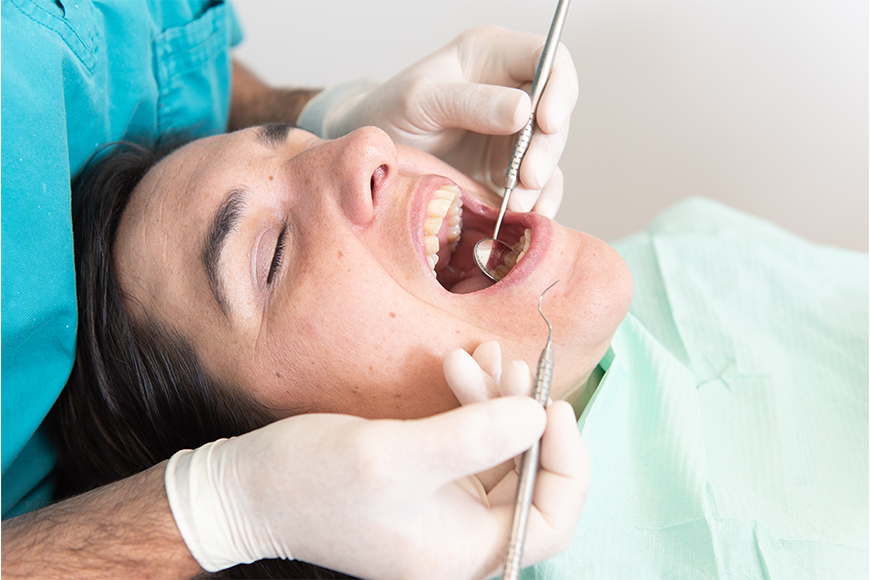
Are you feeling a dull ache at the very back of your jaw? Have you or your teenager recently noticed some tenderness or swelling near the last molars? If so, you’re not alone. These are often the first tell-tale signs that your wisdom teeth—also known as your third molars—are beginning to make their grand entrance. But what exactly is a “wisdom teeth timeline,” and what should you expect as these final teeth begin to emerge?
The journey of your wisdom teeth is a unique one, filled with a few common milestones and potential challenges. Understanding this timeline is crucial for managing your oral health proactively, whether you’re a young adult in your late teens or someone who’s just now experiencing their emergence. This comprehensive guide will walk you through the entire process, from the first signs of growth to the complete recovery after a potential removal. Our goal at Madison Dentistry & Implant Center is to empower you with knowledge so you can make wise, informed decisions about your dental care. Serving our neighbors in surrounding communities like Morristown, Chatham, and Summit, we’re dedicated to providing expert care right here in Madison, New Jersey.
The Eruption Timeline: When Do Wisdom Teeth Actually Come In?
The name “wisdom teeth” comes from the fact that they typically erupt at an age when a person is supposedly wiser than they were as a child. While most of your adult teeth have already emerged by your early teens, wisdom teeth have their own schedule.
- Ages 7-10: This is when the process truly begins. Though you won’t see or feel a thing, the crowns of your wisdom teeth are starting to calcify and form within your jawbone. This is why routine dental x-rays during your childhood and adolescence are so important—they allow your dentist to monitor the development and positioning of these teeth long before they cause any issues.
- Ages 17-21: This is the most common age range for wisdom teeth to begin erupting through the gums. Some people may experience their arrival a little earlier, and for others, they may not emerge until their late 20s or even later. The process of eruption can take years, and for many, it’s not a smooth ride.
- Beyond Age 25: If your wisdom teeth haven’t erupted by this point, they may remain impacted, or they might never emerge at all. Your dentist will continue to monitor their status with regular check-ups and x-rays to ensure they aren’t causing problems beneath the gum line.
Early Signs and Symptoms: Is It My Wisdom Teeth?
So, how can you tell if that discomfort is indeed related to your wisdom teeth? The symptoms can range from subtle to severe, but here are some of the most common signs to watch out for:
- A dull, throbbing ache: This is often the first symptom, felt in the back of your jaw, either on one or both sides. It’s caused by the pressure of the tooth pushing against the bone and surrounding teeth.
- Swollen or tender gums: As the tooth attempts to break through the gum tissue, the area can become red, inflamed, and painful to the touch.
- Difficulty opening your mouth: This is often a sign of swelling and inflammation in the muscles and tissues around the jaw joint.
- Bad breath or an unpleasant taste: When a wisdom tooth only partially erupts, it can create a flap of gum tissue (known as an operculum) that traps food particles and bacteria. This can lead to a localized infection called pericoronitis, which is a key reason for bad breath and a foul taste.
- Pain that radiates: The pain from an erupting wisdom tooth can sometimes spread, causing discomfort in your ear, jaw, or even leading to headaches.
If you’re experiencing any of these symptoms, it’s a clear signal that it’s time to schedule a consultation with a dentist. Waiting for the pain to become unbearable can lead to more complex problems down the road.
The Path to Extraction: When Removal is the Best Option
While some fortunate individuals have ample room for their wisdom teeth to erupt without any issues, the reality is that many people will need to have them removed. Here are the most common reasons why extraction is recommended:
- Impaction: This is the most frequent reason for wisdom tooth removal. An impacted wisdom tooth is one that is unable to fully erupt due to a lack of space. It can be trapped sideways, at an angle, or completely beneath the gum line, pressing against the roots of the second molars.
- Overcrowding: Even if a wisdom tooth manages to erupt, it can push and shift the other teeth, leading to misalignment, bite problems, and undoing years of orthodontic work.
- Infection and Decay: Because wisdom teeth are so far back in the mouth, they can be incredibly difficult to clean. This makes them prone to plaque buildup, tooth decay, and gum disease (pericoronitis).
- Cysts and Tumors: In rare cases, a cyst or tumor can develop around an impacted wisdom tooth, which can damage the jawbone and surrounding teeth.
During your consultation at Madison Dentistry & Implant Center, we use advanced digital imaging to get a clear picture of your wisdom teeth and their positioning. This allows us to determine if removal is necessary and to plan the procedure with precision.
The Wisdom Teeth Recovery Timeline: What to Expect After Surgery
Having your wisdom teeth removed can be a daunting prospect, but knowing what to expect during the recovery process can significantly ease your mind. Here is a general timeline for healing:
- The First 24 Hours: This is the most critical period. You will need to rest and allow a blood clot to form in the extraction site. You should bite down on a gauze pad to control bleeding, use an ice pack on your cheek to minimize swelling, and stick to a diet of liquid or very soft foods. It is crucial to avoid spitting, using a straw, or smoking, as this can dislodge the blood clot and lead to a painful condition called “dry socket.”
- Days 2-3: Swelling and discomfort will likely peak during this time. Continue to use ice packs and take any prescribed pain medication as directed. You can slowly introduce slightly more solid foods, but avoid anything crunchy, spicy, or hot.
- Day 4-7: The worst of the swelling and pain should have subsided. You can begin to gently rinse your mouth with warm salt water to keep the area clean. Most patients can return to their normal daily activities, though strenuous exercise should still be avoided. If you had stitches, they will either dissolve on their own or be removed at a follow-up appointment.
- Week 2: By this point, you should be feeling significantly better. The jaw stiffness and soreness should be gone, and you can slowly resume your normal diet.
- Full Recovery: While you may feel back to normal within a couple of weeks, the full healing of the jawbone can take several months. It’s important to continue practicing good oral hygiene and attend your follow-up appointments with your dentist.
Actionable Tips for a Smooth Recovery
- Follow Your Dentist’s Instructions: This is the single most important piece of advice. Your dentist will provide specific post-operative care instructions tailored to your situation. Adhering to them is key to a smooth and complication-free recovery.
- Stay Hydrated: Drink plenty of water, but remember, no straws!
- Choose the Right Foods: Start with liquids and soft foods like yogurt, applesauce, and broth. Gradually move on to scrambled eggs and mashed potatoes before returning to your regular diet.
- Manage Pain and Swelling: Over-the-counter pain relievers like ibuprofen or a prescription from your dentist will help. Use an ice pack on your cheek in 15-minute intervals for the first 24-48 hours.
- Rest, Rest, Rest: Your body needs time to heal. Avoid heavy lifting and strenuous activity for at least the first week.
Frequently Asked Questions (FAQs)
Is wisdom tooth removal painful?
The procedure itself is not painful, as you will be under local or general anesthesia. You will feel pressure, but no sharp pain. The discomfort comes during the recovery period, which can be managed with pain medication.
How do I know if I have a dry socket?
A dry socket occurs when the blood clot is dislodged from the extraction site, exposing the bone and nerves. It causes intense, throbbing pain that can radiate to your ear and neck. It typically starts a few days after surgery. If you suspect you have a dry socket, contact Madison Dentistry & Implant Center immediately.
Can I get my wisdom teeth removed if they aren't causing any problems?
Yes, in many cases, a dentist may recommend pre-emptive removal to prevent future issues. It’s often easier to remove wisdom teeth when the roots are not fully formed and the surrounding bone is softer, leading to a faster and simpler recovery.
How much does wisdom tooth removal cost?
The cost varies depending on the complexity of the extraction (impacted vs. non-impacted), the number of teeth being removed, and your insurance coverage. Our team at Madison Dentistry & Implant Center will provide a detailed breakdown of costs and work with you to understand your payment options.
Conclusion: Wisdom Teeth Timeline
The journey of your wisdom teeth is a unique and often complicated one. From their initial development within the jaw to their eventual eruption (or impaction), understanding this timeline is the first step toward proactive oral health care. Whether you’re in the early stages of noticing symptoms or you’re preparing for a post-extraction recovery, remember that expert guidance is essential.
At Madison Dentistry & Implant Center, located conveniently for residents of Madison, New Jersey, and the surrounding areas like Morristown and Chatham, we are dedicated to providing compassionate, knowledgeable care for every stage of your wisdom teeth timeline. Don’t wait for a problem to become an emergency. Schedule a consultation today and take control of your dental health. Your future self—and your jaw—will thank you!