
Congratulations! By choosing dental implants, you have just made a life-changing investment in your smile, your oral health, and your confidence. Whether you are replacing a single tooth or undergoing a full-mouth restoration, the hardest part—the surgery—is finally behind you.
However, as the anesthesia wears off and you head home, a very important question is likely crossing your mind: “What to eat after dental implant ?”
Navigating the post-implant diet is one of the most critical aspects of your recovery journey. Your gums and jawbone need time to heal, and a process called osseointegration (where the implant fuses with your bone) is just beginning. Eating the wrong foods can irritate the surgical site, introduce unwanted bacteria, or even risk the success of the implant. On the flip side, eating the right foods can accelerate your healing, reduce inflammation, and keep your energy levels high.
As the leading experts at Madison Dentistry & Implant Center, we guide patients through this process every single day. Whether you are a local resident of Madison, NJ, or visiting us from surrounding communities like Morristown, Chatham, Florham Park, or Summit, we want to ensure your recovery is as smooth and comfortable as possible.
Phase 1: The First 24 to 48 Hours (The Liquid and Cool Diet)
The first two days following your procedure are the most delicate. Your gums will be sensitive, and some minor swelling or bleeding is completely normal. During this window, your primary goal is to avoid disturbing the surgical site.
You should stick exclusively to a cool liquid and very soft pureed diet. Avoid anything hot, as heat can increase blood flow to the area and exacerbate bleeding and swelling.
What to Eat & Drink:
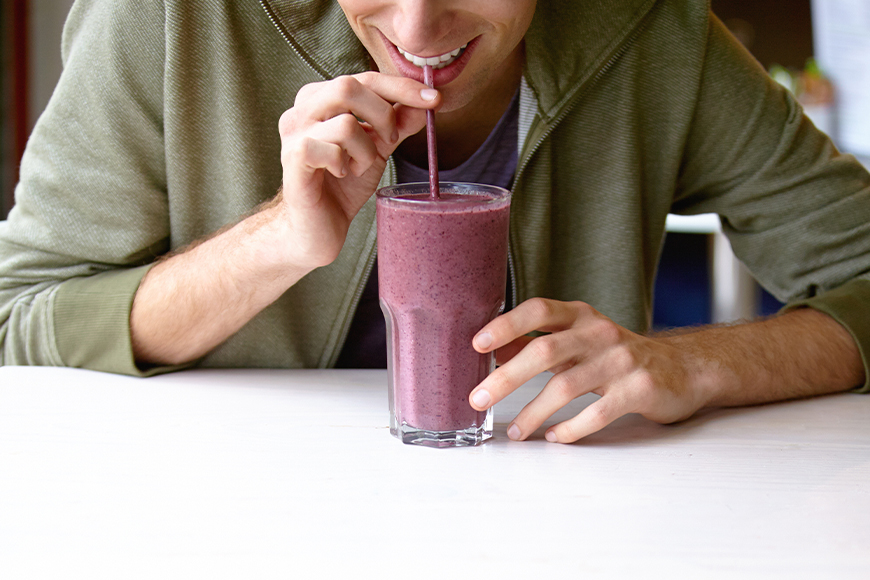
- Smoothies: Pack them with nutrient-dense ingredients like spinach, bananas, protein powder, and almond milk. Crucial tip: Do NOT use a straw! The suction can dislodge the blood clot forming over your implant site, leading to a painful condition known as dry socket. Always use a spoon.
- Cold Soups: Gazpacho or chilled cucumber soup are refreshing and packed with vitamins. Avoid chunky soups that require chewing.
- Applesauce and Fruit Purees: These are gentle on the mouth and provide a great source of natural energy and Vitamin C.
- Yogurt: Smooth, seedless yogurts are highly recommended. The probiotics in yogurt can also help keep your digestive system balanced if you have been prescribed antibiotics.
- Pudding, Jell-O, and Ice Cream: Treat yourself! Cold, soft treats can help soothe the tissue and reduce swelling.
Phase 2: Days 3 to 7 (The "Mushy" Soft Food Diet)
As you enter the second half of your first week, the swelling should begin to subside. You can now start introducing slightly warmer foods and textures that require minimal chewing. You should still avoid chewing directly on the implant site.
Protein is your best friend during this phase. Amino acids are the building blocks of tissue repair, and getting enough protein will significantly speed up your healing process.
What to Eat:
- Mashed Potatoes and Sweet Potatoes: Comforting, filling, and entirely safe for your healing gums. You can also mash carrots, butternut squash, or cauliflower.
- Scrambled Eggs: Soft, fluffy scrambled eggs are a powerhouse of high-quality protein, calcium, and Vitamin D.
- Oatmeal and Cream of Wheat: Make sure they are warm, not scalding hot. Avoid adding crunchy toppings like nuts or granola.
- Flaky Fish: Baked or steamed fish, such as salmon or cod, flakes apart easily in the mouth and requires almost no chewing. Plus, the Omega-3 fatty acids in fish are fantastic natural anti-inflammatories.
- Pasta and Macaroni: Cook pasta a little longer than al dente so it is very soft. Pair it with a mild, smooth sauce.
- Cottage Cheese and Tofu: Both are excellent, versatile sources of soft protein.
Phase 3: Weeks 2 to 4 (Gentle Reintroduction)
By the second week, your gums will feel significantly better, and the surgical site will have closed up beautifully. However, beneath the surface, your jawbone is still working hard to fuse with the titanium implant.
You can begin to transition back to a more normal diet, but you must still exercise caution. “Fork-tender” is the rule of thumb here—if you can easily cut it with the side of a fork, it is generally safe to eat.
What to Eat:
- Ground Meats: Ground beef, turkey, or chicken are much easier to chew than whole cuts of meat like steak.
- Soft Sandwiches: Peanut butter and jelly or egg salad on soft, crustless bread.
- Steamed Vegetables: Broccoli, carrots, and zucchini cooked until very tender.
- Soft Fruits: Ripe bananas, peaches, mangoes, and berries (be careful of tiny seeds, like those in raspberries, which can get stuck in the gums).
The "Danger Zone": Foods You Must Absolutely Avoid
Knowing what not to eat is arguably more important than knowing what to eat. Consuming the wrong items can damage your temporary crown, irritate the healing gums, or cause an infection.
For at least the first month of your recovery, steer clear of the following:
- Crunchy Foods: Chips, popcorn, pretzels, and hard taco shells can break into sharp, jagged pieces that can easily stab your healing gums.
- Hard Foods: Nuts, seeds, ice cubes, and hard candies put too much pressure on the implant. Biting down on something hard can literally shift the implant before it has fused to the bone.
- Sticky and Chewy Foods: Caramel, taffy, chewing gum, and gummy candies can stick to the surgical site or inadvertently pull on your temporary restoration.
- Spicy and Acidic Foods: Hot peppers, citrus fruits (lemons, limes, oranges), and tomatoes can create a severe burning sensation on open or healing wounds.
- Tough Meats: Steak, jerky, and pork chops require excessive, vigorous chewing that your jaw is not ready for yet.
Why Local Expertise Matters for Your Recovery
If you are undergoing dental implant surgery, having a trusted, local expert by your side makes all the difference. At Madison Dentistry & Implant Center, located conveniently in the heart of Madison, NJ, we pride ourselves on providing premier, state-of-the-art dental care tailored to your unique needs.
We understand that our patients lead busy lives across Morris County and beyond. Whether you are commuting from Morristown, dropping kids off at school in Chatham, working in Florham Park, or shopping in Summit, our clinic is perfectly positioned to offer you accessible, top-tier implant dentistry.
Our team doesn’t just perform the surgery and send you on your way. We provide detailed, personalized aftercare instructions, and we are always just a phone call away if you have questions about your recovery diet or experience any unexpected discomfort. Choosing a trusted local provider means peace of mind—knowing that your follow-up appointments and any necessary adjustments are right around the corner.
TL;DR: Your Post-Implant Diet Takeaway
Short on time? Here is the rapid-fire summary of how to eat after your dental implant surgery:
- Days 1-2: Stick to a cool, liquid/puree diet (smoothies, yogurt, cold soups). Do not use a straw!
- Days 3-7: Move to mushy, soft foods (mashed potatoes, scrambled eggs, flaky fish). Focus on protein to aid healing.
- Weeks 2-4: Reintroduce “fork-tender” foods (ground meats, soft pasta, steamed veggies).
- Avoid: Crunchy, hard, sticky, spicy, and highly acidic foods for at least the first month. No chips, nuts, or popcorn!
- Hydrate: Drink plenty of water to keep your mouth clean and aid in the healing process.
Frequently Asked Questions (FAQs)
When can I drink coffee again after a dental implant?
You should avoid hot coffee for the first 48 hours, as the heat can increase bleeding and swelling. Iced coffee is acceptable, but remember: do not use a straw! After 48 hours, you can slowly reintroduce warm (not scalding) coffee.
How long until I can eat a hamburger or steak?
You can likely manage a soft hamburger made with high-quality ground beef after about two weeks, provided you cut it into small pieces and chew on the opposite side of your mouth. However, you should wait at least 4 to 6 weeks before attempting to chew tough meats like steak, allowing the implant sufficient time to integrate with your jawbone.
Can I drink alcohol during my recovery?
It is highly recommended to avoid alcohol for at least the first 72 hours, and strictly while you are taking any prescribed pain medications or antibiotics. Alcohol can impede the healing process and cause painful irritation to the surgical site.
What happens if food gets stuck in my implant site?
Do not use a toothpick or your fingers to dig it out, as this can damage the tissue or introduce bacteria. Instead, gently rinse your mouth with warm salt water (1/2 teaspoon of salt in a cup of warm water). Let the water simply fall out of your mouth into the sink rather than spitting forcefully, which can dislodge blood clots.
Conclusion: What To Eat After Dental Implant
Recovering from dental implant surgery is a marathon, not a sprint. While being restricted to soft foods might feel frustrating in the short term, it is a small price to pay for a permanent, beautiful, and fully functional smile that will last for decades. By feeding your body the right nutrients and protecting your healing gums, you are setting the stage for total implant success.
Are you ready to restore your smile and your confidence? If you are considering dental implants or have questions about an upcoming procedure, the team at Madison Dentistry & Implant Center is here to help. Serving Madison, Morristown, Chatham, Florham Park, Summit, and the greater New Jersey area, we are your local experts in modern, compassionate implant dentistry. Schedule your appointment today!