

A root canal procedure is one of modern dentistry’s greatest achievements—it saves a natural tooth that would otherwise be lost to severe infection, eliminating the excruciating pain that led you to the dentist in the first place. But as the local anesthetic begins to wear off, a common question arises: Is it normal to feel pain after a root canal, and what can I do about it?
If you’ve recently had or are planning to have a root canal, you’re not alone in seeking effective post-procedure care. While the most intense, infection-related pain is gone, experiencing some mild to moderate discomfort is a normal part of the healing process. This comprehensive 1500-word guide will walk you through everything you need to know about Pain Relief After Root Canal, from understanding the source of your sensitivity to actionable, expert-approved strategies for a quick and comfortable recovery.
At Madison Dentistry & Implant Center in Madison, New Jersey, we are committed to ensuring our patients—from Madison, Chatham, Florham Park, and surrounding communities—not only receive world-class root canal treatment but also have a clear, effective plan for managing any temporary post-operative soreness. Our goal is to transform your anxiety into assurance, ensuring your new, healthy smile is also a pain-free one.
Understanding Post-Procedure Discomfort: Why Does My Tooth Hurt?
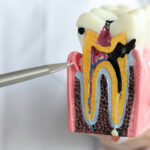
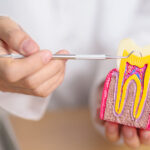
It might seem counterintuitive to feel discomfort after a procedure designed to remove pain, but the mild soreness you feel is a sign of your body’s natural healing response. The procedure itself is essentially a deep cleaning of the tooth’s inner chamber, which involves removing the infected or inflamed pulp, nerves, and blood vessels.
The Science Behind Post-Root Canal Pain
The primary causes of temporary post-root canal pain are:
- Periapical Tissue Inflammation: The instruments and cleaning solutions used during the procedure can irritate the delicate ligaments and tissues surrounding the root tip. This natural inflammation causes temporary tenderness, especially when biting down.
- Healing Pressure: As the body’s immune system clears away any lingering debris and the surrounding bone begins to heal, the pressure change can cause a dull ache.
- Temporary Filling/Crown Sensitivity: The treated tooth is often sealed with a temporary filling before the permanent crown is placed. Sometimes, a slight unevenness in the bite can place undue pressure on the tooth, leading to sensitivity.
- Lingering Soreness (Not Infection): If the tooth was severely infected before the root canal, the surrounding tissues may take a few extra days to calm down completely.
Your Aftercare Arsenal: Effective Pain Management Strategies
Effective pain management after root canal relies on a combination of medication and careful at-home care. Following your dentist’s instructions precisely is your best pathway to quick root canal recovery.
Over-the-Counter (OTC) Pain Medications
For the majority of patients, over-the-counter medications are sufficient to control discomfort. However, a strategic approach is key.
- NSAIDs (Non-Steroidal Anti-Inflammatory Drugs): Medications like Ibuprofen (Advil, Motrin) are highly effective because they target both pain and the underlying inflammation. Taking these on a schedule (e.g., every 6-8 hours) for the first few days, even if the pain is mild, helps keep the inflammation from building up.
- Dosage Note: Always adhere to the dosage recommended by your Madison dentist, as it may be higher than the standard bottle instructions to ensure maximum anti-inflammatory effect.
- Acetaminophen (Tylenol): This is a powerful pain reliever but does not have the anti-inflammatory properties of NSAIDs. For moderate pain, your dentist may recommend an alternating regimen of Ibuprofen and Acetaminophen—a popular and highly effective combination therapy that minimizes the total dosage of any one drug while providing continuous relief.
Prescription Medications for Severe Pain
In cases where the infection was severe, or if you experience higher levels of pain, your dentist may prescribe stronger medication:
- Prescription-Strength NSAIDs: A more potent anti-inflammatory.
- Opioid Analgesics: These are rarely necessary and are used only for a very short duration in cases of severe, acute pain. Your dentist will discuss the risks and benefits thoroughly.
- Antibiotics: If the infection was significant, you might be prescribed an antibiotic. Crucially, antibiotics are not for pain relief; you must take them exactly as prescribed until the bottle is empty to ensure the infection is completely eliminated.
Home Care & Lifestyle Adjustments for Optimal Healing
Your recovery is significantly influenced by the care you take at home. These lifestyle adjustments promote healing and prevent unnecessary strain on the treated tooth.
The First 48 Hours: Critical Care
- Cold Compress: Immediately following the procedure, apply a cold compress to the outside of your cheek (over the treated area) for 15 minutes on, 15 minutes off. This helps constrict blood vessels, minimizing initial swelling and subsequent pain.
- Elevate Your Head: When lying down or sleeping, prop your head up with an extra pillow. Keeping your head elevated helps reduce blood pressure and swelling in the area.
- Soft Diet is Essential: For the first few days, stick to soft foods like soups, yogurt, mashed potatoes, and smoothies. Avoid hard, crunchy, sticky, or chewy foods that could dislodge the temporary filling or place excessive pressure on the healing tooth.
- Chew on the Opposite Side: Make a conscious effort to chew all food on the side of your mouth opposite the treated tooth.
Maintaining Oral Hygiene
A clean mouth is a fast-healing mouth.
- Gentle Brushing and Flossing: Continue your regular oral hygiene routine, but be extra gentle around the temporary filling and surrounding gums. Use a soft-bristled brush.
- Saltwater Rinses: Gently rinsing with a warm salt water solution (1/2 teaspoon of salt in 8 ounces of warm water) 2-3 times a day can soothe inflamed gums and keep the area clean. Do not swish or spit violently as this could dislodge the temporary filling or a potential blood clot.
Avoid Unnecessary Habits
- No Smoking or Alcohol: Both can severely impede the healing process, increasing the risk of infection and prolonging your discomfort.
- Avoid Strenuous Activity: Intense physical activity for the first day or two can increase blood flow and throbbing in the area. Take it easy!
When is Pain Not Normal? Signs of a Complication
It’s vital to recognize the signs that warrant an immediate call to Madison Dentistry & Implant Center. While mild soreness is expected, persistent, severe, or worsening discomfort is not a normal part of root canal recovery.
Contact Your Dentist Immediately If You Experience Any of the Following:
- Severe Pain: Pain that not only fails to improve after 2-3 days but actually worsens, or is so intense that over-the-counter medication (like Ibuprofen) offers no significant relief.
- Significant Swelling: Swelling that is visibly spreading to your cheek, neck, or jawline, or if the swollen area feels hot to the touch.
- Persistent Uneven Bite: If your treated tooth feels noticeably “high” when you bite down, causing sharp, immediate pain. This often means the filling needs a quick, simple adjustment.
- Allergic Reaction Symptoms: Developing a rash, hives, or intense itching, especially if you have started a new antibiotic or pain medication.
- Systemic Symptoms: A persistent fever, general feeling of illness (malaise), or unusual fatigue, which can be signs of a spreading infection.
Long-Term Tooth Protection: The Crown Phase
The root canal procedure saves your tooth, but the treated tooth is often more brittle than a natural tooth because the pulp (which contains nourishing blood vessels) has been removed. The final step in protecting your investment in your oral health is the permanent restoration—usually a dental crown.
At Madison Dentistry & Implant Center, we emphasize the importance of the final crown. The crown acts like a helmet, protecting the remaining tooth structure from fractures caused by the immense forces of biting and chewing. Without this final step, the tooth is vulnerable, which could lead to a fracture and, unfortunately, tooth loss
Frequently Asked Questions (FAQs) About Root Canal Pain
How long is it normal to have pain after a root canal?
Mild to moderate tenderness is normal for 3 to 7 days after the procedure. The pain should consistently decrease each day. If the pain lasts longer than a week or begins to worsen, it is considered abnormal, and you should contact your dentist.
Can I go back to work or school the next day?
In most cases, yes. Most patients can resume normal, light activities the day after their root canal. However, avoid heavy lifting or strenuous exercise for the first 24-48 hours to minimize throbbing in the area.
Why does my tooth hurt when I bite down after the procedure?
This is a very common issue, often caused by inflammation in the ligament surrounding the tooth root or a slight misalignment of the temporary filling. If it persists, your Madison dentist will check your bite and make a simple adjustment to the filling, which often provides immediate relief.
Are natural remedies like clove oil safe for pain relief?
While clove oil has natural analgesic properties, it’s best to stick to medications recommended by your dentist as they are dosed precisely and scientifically proven for this type of pain. Always consult your dentist before using any alternative remedies.
Summary: Pain Relief After Root Canal
A root canal is a significant step toward achieving a healthy, pain-free mouth. While some temporary discomfort is normal, being prepared with a clear plan for Pain Relief After Root Canal will ensure your recovery is smooth and stress-free.
Trust in the expert care and precise techniques provided by the specialists at Madison Dentistry & Implant Center. Our focus is not just on eliminating your infection but also on ensuring your complete comfort throughout the entire process, including your recovery.
- Actionable Takeaways:
- Stick to your prescribed pain medication schedule (especially Ibuprofen) for the first 48 hours.
- Eat only soft foods and chew on the opposite side.
- Gently rinse with warm salt water.
- Call us immediately if you experience severe, worsening pain or spreading swelling.
Don’t let the fear of a few days of soreness prevent you from saving your tooth and restoring your quality of life!
Ready to take the first step toward a healthy, pain-free smile? Contact Madison Dentistry & Implant Center today to schedule your consultation and discuss your root canal aftercare plan.