
A root canal is one of modern dentistry’s most effective procedures, designed to relieve the excruciating pain of a severely infected or damaged tooth. It’s a literal lifesaver for your natural tooth! But what happens when that familiar, distracting ache returns, evolving into a persistent throbbing pain in the days following your procedure?
The unsettling sensation of a tooth throbbing after a procedure intended to eliminate pain can cause significant worry and discomfort. You might be wondering: Is this normal? Am I infected? What can I do to stop the throbbing?
As experts in endodontics and general dentistry, the team at Madison Dentistry & Implant Center in Madison, New Jersey, understands your concern. Serving patients from neighboring towns like Chatham, Florham Park, Morristown, Summit, and New Providence, we’ve crafted this comprehensive guide to help you distinguish between normal post-operative sensitivity and a more serious issue that requires professional attention. Our goal is to empower you with the knowledge to manage your recovery and ensure the long-term success of your root canal treatment.
Normal Post-Procedure Sensitivity vs. Alarming Throbbing Pain
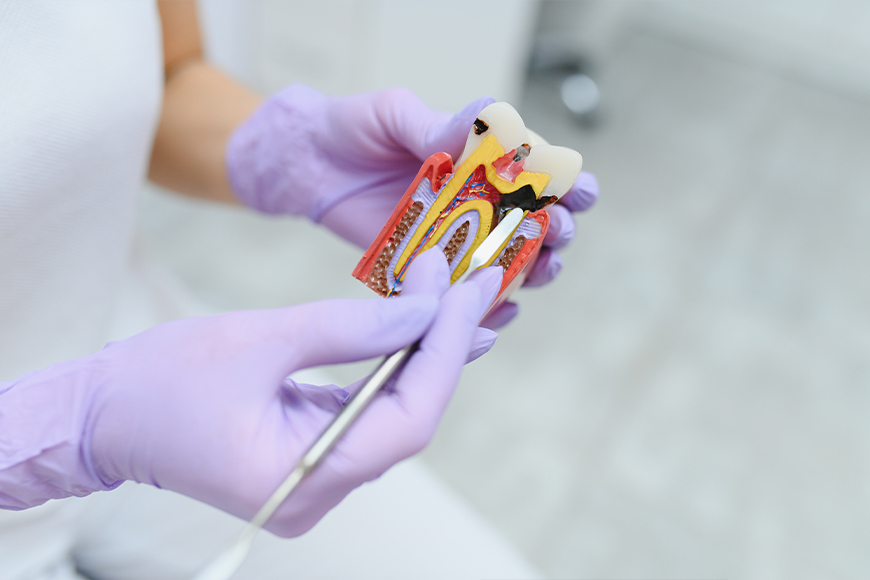
It is absolutely crucial to understand the difference between the expected, temporary discomfort and the signs of a potential complication. When you have a root canal, the infected dental pulp (nerve tissue) is removed, and the canal is cleaned, disinfected, and sealed. This is essentially a minor surgery within your tooth, and some inflammation is a natural part of the healing process.
What is Normal After a Root Canal?
- Mild to Moderate Soreness: A dull ache or tenderness is common for the first few days, typically lasting 3 to 5 days. This is often due to the surrounding tissues and ligaments being irritated by the cleaning and sealing process.
- Sensitivity to Biting: You might feel a noticeable tenderness or mild pain when biting down on the treated tooth. This should steadily improve each day.
- Response to OTC Pain Relievers: The discomfort should be effectively managed by over-the-counter anti-inflammatory medications like ibuprofen (Advil, Motrin) or acetaminophen (Tylenol).
When Does Throbbing Become a Concern?
Intense, persistent root canal throbbing pain that continues beyond a few days or, worse, worsens after the initial 72 hours, is not considered normal and should be evaluated. This type of severe, relentless throbbing often indicates one of the following issues:
- Lingering Infection/Inflammation: Even after thorough cleaning, some residual bacteria or inflammation can persist outside the tip of the root, causing increased pressure and throbbing.
- A “High” Filling or Crown: If the temporary filling or permanent crown is even slightly too high, it can disrupt your bite, causing excessive pressure on the tooth and leading to significant, pressure-induced throbbing pain.
- Missed Canal: Some teeth, especially molars, can have extra, tiny canals that were not fully cleaned and sealed. If a missed canal contains infected tissue, the pain will persist.
- Micro-Crack or Fracture: A subtle crack in the tooth or root, which may have been hidden, can allow bacteria to re-enter, leading to a new infection and severe root canal throbbing.
Immediate Relief: Actionable Steps to Manage Throbbing
Before jumping to conclusions, there are several steps you can take at home to manage your root canal throbbing pain and promote healing.
Pharmaceutical Pain Management
- Take Anti-Inflammatories as Directed: For the first few days, consistently taking an anti-inflammatory drug (like ibuprofen) on a schedule, even before the pain peaks, is the best way to control swelling and throbbing. Follow your dentist’s or doctor’s instructions carefully.
- Combination Therapy: Your dentist may recommend alternating doses of Ibuprofen and Acetaminophen for maximum effect, which can be particularly helpful for severe, distracting throbbing.
Home Care and Comfort Tips
- Cold Compress: Apply a cold compress or ice pack (wrapped in a cloth) to your cheek near the affected tooth for 15 minutes on, 15 minutes off, during the first 48 hours. This helps to dramatically reduce swelling and numb the throbbing sensation.
- Elevate Your Head: When lying down or sleeping, use an extra pillow to keep your head slightly elevated. This prevents blood from pooling around the surgical site, which is a major contributor to overnight throbbing pain.
- Gentle Warm Salt Water Rinses: After the first 24 hours, rinse your mouth gently with a mixture of half a teaspoon of salt in a glass of warm water, two to three times a day. This aids in cleaning the area and soothing irritated tissues.
- Avoid Chewing on the Treated Side: Stick to a soft diet (yogurt, soup, mashed potatoes) and consciously avoid putting any pressure on the treated tooth until the final crown or restoration is placed.
When to Call Your Endodontist: Don't Wait and See
While mild pain should resolve quickly, it’s crucial to contact your dental professional immediately if you experience any of the following signs, as they may indicate a developing infection or complication requiring expert intervention from a specialist like those at Madison Dentistry & Implant Center:
- Throbbing Pain Worsens or Persists: If the intense, throbbing ache is not subsiding after 3 to 5 days or begins to get more severe.
- Visible Swelling: New or increasing visible swelling inside your mouth (gums, cheek) or on your face.
- Fever or Malaise: A fever, chills, or a general feeling of being unwell (malaise) indicates the infection may be spreading beyond the tooth.
- Pus or Discharge: Seeing pus or a pimple-like bump (abscess) on the gum near the treated tooth is a definitive sign of infection.
- Reaction to Your Bite: If the tooth feels excruciatingly painful specifically when you bite down, it could be a sign of a high restoration or a root fracture.
The Madison Dentistry & Implant Center Difference: Expert Root Canal Care in Madison, NJ
If your root canal throbbing is concerning you, the peace of mind that comes with an expert evaluation is invaluable. At Madison Dentistry & Implant Center in Madison, NJ, we utilize advanced diagnostic tools to pinpoint the exact cause of persistent post-procedure pain.
- Advanced Diagnostics: We use high-resolution digital X-rays and 3D Cone Beam CT imaging to check for missed canals, micro-fractures, or persistent infection near the root tip.
- Precise Retreatment: Should a problem be identified, our skilled dental professionals can perform a precise adjustment, an immediate restoration correction, or, if necessary, an endodontic retreatment to thoroughly clean the area again, ensuring all sources of infection are eliminated.
- Local Expertise, Comprehensive Care: We are proud to serve our local community and patients traveling from Morristown, Florham Park, and Chatham with the highest level of comprehensive dental care, from routine check-ups to complex endodontic and implant procedures. Our focus is on long-term tooth preservation and patient comfort.
Frequently Asked Questions (FAQs) about Root Canal Throbbing
Can a root canal fail completely?
A root canal is highly successful, with success rates typically over 95%. However, a small percentage can fail due to new decay, a defective crown, a missed canal, or a tiny fracture that lets bacteria back in. If the root canal throbbing persists, a dental professional will assess if retreatment or another procedure like an apicoectomy (root-end surgery) is necessary.
How long until I get the permanent crown after my root canal?
Typically, the permanent crown or filling is placed about 1 to 3 weeks after the initial root canal procedure. The temporary filling is essential for keeping bacteria out while the tooth heals, and the waiting period ensures that the tooth is settled and pain-free before the final restoration is put in place. This crown is crucial for preventing a recurrence of throbbing pain and protecting the weakened tooth structure.
Is it possible for throbbing pain to come back months or years later?
Yes, unfortunately, it is. The return of throbbing pain long after a root canal can be a sign of a new infection, often caused by a leak in the crown or filling, allowing bacteria to penetrate the sealed canal space. It could also signal a new crack forming in the tooth. Immediate professional evaluation is necessary to save the tooth.
Why does my tooth feel so high after the temporary filling was placed?
A temporary filling that feels “high” or uneven is a very common cause of throbbing pain when biting. When your bite is off, it puts undue stress on the treated tooth and the surrounding ligament. This is usually the easiest fix—call your dentist right away to have the filling adjusted and smoothed down. This simple step can relieve the throbbing almost instantly.
Final Takeaway: Take Control of Your Comfort and Healing
Experiencing root canal throbbing pain can be unsettling, but remember that for most patients, any post-procedure discomfort is mild and short-lived, resolving within a few days with simple home care. This pain is the residue of the healing process, not a sign of failure.
However, if your pain is intense, persistent, or worsening—especially if accompanied by swelling or fever—it is a clear sign to seek professional help. Don’t wait and risk your long-term oral health!
If you are in Madison, NJ, or the surrounding areas of Chatham, Florham Park, Morristown, or Summit, the dedicated team at Madison Dentistry & Implant Center is here to provide the expert diagnosis and compassionate care you need. We are committed to making your recovery smooth, pain-free, and successful.
Don’t let post-root canal throbbing disrupt your life. Contact Madison Dentistry & Implant Center today for an urgent consultation and take the first step toward lasting comfort and a healthy smile.