

Experiencing a sharp, sudden jolt of pain when enjoying your favorite ice cream, sipping a hot cup of coffee, or even breathing in cold air can be incredibly unsettling. If this sounds familiar, you’re likely among the millions who suffer from sensitive teeth, a common dental issue that can significantly impact your quality of life. But what exactly causes this discomfort, and more importantly, what can be done about it?
This comprehensive guide will delve into the world of sensitive teeth treatment, offering insights into its causes, effective home remedies, advanced professional solutions, and crucial preventive measures. Our goal is to equip you with the knowledge to understand your tooth sensitivity and empower you to seek the right solutions for lasting relief.
What Causes Sensitive Teeth?
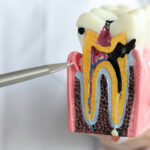
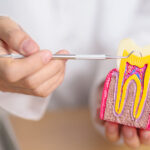
Tooth sensitivity, often referred to as dentin hypersensitivity, occurs when the protective layers of your teeth wear down, exposing the underlying dentin. Dentin contains thousands of microscopic tubules leading to the tooth’s pulp, where the nerves are located. When exposed, these tubules allow external stimuli like hot, cold, sweet, or acidic foods and drinks to reach the nerves, triggering that familiar, sharp pain.
Several factors can contribute to the erosion of enamel or the exposure of dentin and tooth roots:
- Worn Tooth Enamel: Brushing too hard, using an abrasive toothpaste, or consuming highly acidic foods and drinks can gradually wear away the enamel, the outermost protective layer of your teeth.
- Receding Gums: Gum recession, often caused by aggressive brushing, gum disease (periodontitis), or even genetics, exposes the root surfaces of your teeth. These roots are covered by cementum, a softer material than enamel, making them more vulnerable to sensitivity.
- Tooth Decay (Cavities): A cavity is a hole in your tooth enamel caused by bacteria. When decay reaches the dentin, it exposes the sensitive inner part of the tooth.
- Cracked or Chipped Teeth: Cracks or chips in your teeth can expose the dentin or even the pulp, leading to significant sensitivity.
- Worn Fillings: Old or damaged fillings can become loose or crack, creating gaps where stimuli can reach the tooth’s inner layers.
- Teeth Grinding (Bruxism): Clenching or grinding your teeth, especially at night, can wear down enamel and expose the dentin.
- Recent Dental Procedures: It’s common to experience temporary sensitivity after certain dental procedures like fillings, crowns, or teeth whitening. This usually subsides within a few days or weeks.
- Acidic Foods and Drinks: Frequent consumption of acidic items (citrus fruits, sodas, wine, sports drinks) can erode enamel, increasing sensitivity.
- Certain Mouthwashes: Some over-the-counter mouthwashes contain acids that can worsen sensitivity, especially if you already have exposed dentin.
Understanding the Pain: How Does Sensitivity Happen?
At the core of tooth sensitivity is the exposure of dentin. Imagine your tooth as a miniature skyscraper, with the hard enamel as its outer shell. Beneath this shell lies the dentin, a softer bone-like tissue riddled with tiny, fluid-filled channels called dentinal tubules. These tubules lead directly to the tooth’s nerve center, the pulp.
When the enamel or gum tissue protecting the roots is compromised, these tubules become exposed. When you consume something hot or cold, or even encounter a blast of cold air, the fluid within these tubules moves. This fluid movement stimulates the nerves in the pulp, resulting in the sharp, often excruciating, sensation of sensitivity. Understanding this mechanism is the first step toward effective sensitive teeth treatment.
Effective Home Remedies for Sensitive Teeth
While it’s crucial to consult with a dental professional for a proper diagnosis, several home remedies can offer temporary relief and help manage mild tooth sensitivity. These can often be integrated into your daily oral hygiene routine:
- Desensitizing Toothpaste: This is often the first line of defense. These toothpastes contain compounds like potassium nitrate or stannous fluoride, which work by either blocking the pain signals from reaching the nerves or by forming a protective layer over the exposed dentin. Consistent use (twice daily for several weeks) is key to seeing results.
- Saltwater Rinse: A simple yet effective remedy, a warm saltwater rinse can help reduce inflammation and soothe irritated gums, which can sometimes contribute to sensitivity. Mix half a teaspoon of salt in a glass of warm water and swish for about 30 seconds, two to three times a day.
- Soft-Bristled Toothbrush & Gentle Brushing: Aggressive brushing is a major culprit for gum recession and enamel erosion. Switching to a soft-bristled toothbrush and using gentle, circular motions can prevent further damage and reduce sensitivity. Avoid scrubbing vigorously.
- Dietary Adjustments: Limiting your intake of highly acidic foods and beverages (like sodas, citrus fruits, and vinegars) can help protect your enamel from further erosion. If you do consume them, try to do so in moderation and consider rinsing your mouth with water afterward to neutralize acids. Using a straw for acidic drinks can also help minimize contact with your teeth.
- Night Guards for Grinding: If teeth grinding is the cause of your sensitivity, a custom-fitted night guard can protect your teeth from the excessive forces that lead to enamel wear. While over-the-counter options exist, a dentist-prescribed guard offers a more precise and effective solution.
Professional Treatments Offered by Your Dentist
For persistent or severe tooth sensitivity, or when home remedies aren’t enough, professional dental intervention is necessary. Your dentist can accurately diagnose the underlying cause and recommend the most appropriate sensitive teeth treatment.
- Fluoride Treatments: Your dentist can apply a fluoride varnish, gel, or foam to the sensitive areas of your teeth. This professional-strength fluoride helps to strengthen tooth enamel and dentin, making them more resistant to sensitivity. Prescription fluoride rinses or gels for at-home use may also be recommended.
- Dental Sealants and Bonding: If exposed root surfaces are contributing to your sensitivity, your dentist might apply a dental sealant or bonding agent. These thin, protective coatings create a barrier over the exposed dentin, blocking external stimuli from reaching the nerves. Dental bonding, using a tooth-colored resin, can also be used to repair chipped or cracked teeth, or cover exposed roots.
- Gum Grafts: In cases of significant gum recession where the tooth root is extensively exposed, a surgical gum graft may be recommended. This procedure involves taking a small amount of gum tissue from another part of your mouth (or using donor tissue) and attaching it to the affected area to cover the exposed root, protecting it from sensitivity.
- Cavity Fillings, Crowns: If tooth sensitivity is due to decay, a worn filling, or a cracked tooth, addressing these issues is paramount. A dental filling will restore the tooth if it’s a cavity. For more extensive damage, a crown (a cap that covers the entire tooth) or an inlay/onlay (restorations that cover a portion of the tooth) may be necessary to protect the compromised tooth structure and eliminate sensitivity.
- Root Canal Therapy: When sensitivity is severe, persistent, and other treatments have failed, it might indicate an issue with the tooth’s pulp (nerve tissue). In such cases, a root canal may be the most effective sensitive teeth treatment. This procedure removes the inflamed or infected pulp, effectively eliminating the pain signals from the tooth.
Prevention is Key: Maintaining a Healthy Smile
Preventing tooth sensitivity often involves adopting good oral hygiene habits and making conscious lifestyle choices.
- Proper Oral Hygiene: Brush twice a day with a soft-bristled toothbrush and fluoride toothpaste. Floss daily to remove plaque and food particles from between your teeth and along the gumline.
- Regular Dental Check-ups: Visiting your dentist regularly for professional cleanings and examinations is crucial. Your dentist can identify early signs of enamel wear, gum recession, or other dental issues that could lead to sensitivity, allowing for timely intervention.
- Avoiding Acidic Foods and Drinks: As mentioned earlier, limiting acidic foods and drinks and rinsing your mouth with water after consumption can help preserve your enamel.
- Managing Teeth Grinding: If you grind your teeth, discuss solutions with your dentist, such as a night guard, to protect your teeth from excessive wear.
When to See a Dentist
While home remedies can offer temporary relief, it’s essential to consult a dentist if your tooth sensitivity is:
- Persistent: If the pain doesn’t go away after a few days of using desensitizing toothpaste or other home remedies.
- Severe: If the pain is sharp, intense, or debilitating.
- Localized: If the sensitivity is focused on a single tooth, it could indicate a cavity, crack, or other specific dental problem.
- Accompanied by other symptoms: Such as swelling, redness, or a bad taste in your mouth, which could be signs of a more serious infection or gum disease.
A professional diagnosis is vital to determine the exact cause of your sensitivity and ensure you receive the most appropriate and effective sensitive teeth treatment.
Take Control of Your Oral Health: Your Partner in a Pain-Free Smile
Don’t let sensitive teeth dictate your diet or dampen your enjoyment of life’s simple pleasures. Taking proactive steps towards understanding and treating tooth sensitivity can lead to a significant improvement in your oral comfort and overall well-being.
At Madison Dentistry & Implant Center in Madison, New Jersey, we are dedicated to providing comprehensive and compassionate dental care. Our experienced team utilizes the latest techniques and technologies to accurately diagnose the cause of your tooth sensitivity and develop a personalized sensitive teeth treatment plan tailored to your needs. Whether you’re in Madison, or surrounding areas like Chatham, Florham Park, Convent Station, or Morristown, we are here to help you achieve a healthy, pain-free smile.
We understand the discomfort that sensitive teeth can bring, and we are committed to helping you find lasting relief.
Conclusion: Sensitive Teeth Treatment
Sensitive teeth can be a bothersome issue, but with the right approach, it is highly treatable. By understanding the common causes, implementing effective home care strategies, and seeking professional dental care when needed, you can significantly reduce or even eliminate tooth sensitivity. Remember, your oral health is an integral part of your overall well-being. Don’t hesitate to reach out to a trusted dental professional for guidance and to embark on your journey towards a comfortable and confident smile.
For expert sensitive teeth treatment and comprehensive dental care, consider scheduling a consultation with Madison Dentistry & Implant Center. We are dedicated to restoring your comfort and helping you maintain optimal oral health for years to come.