

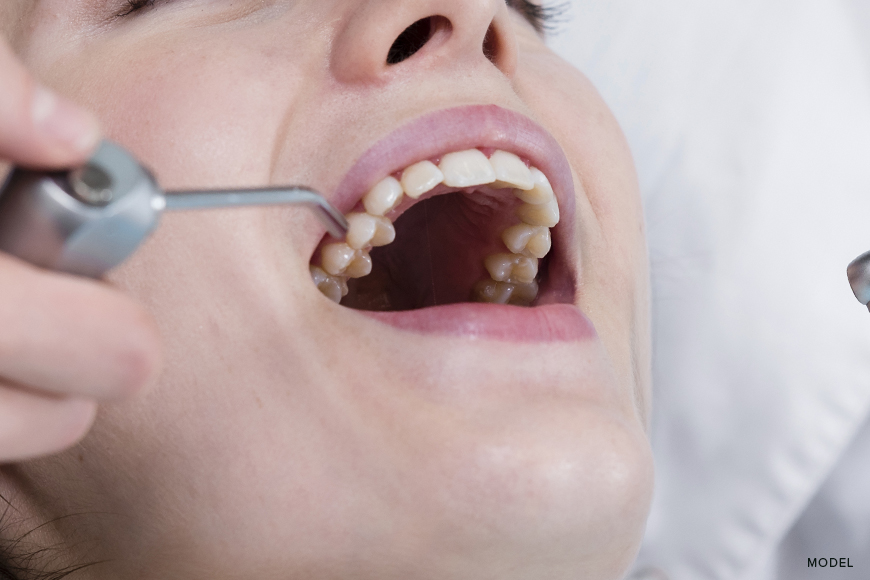
Are you noticing a bit of pink in the sink when you brush your teeth? Or perhaps your gums feel tender, swollen, or appear to be pulling away from your teeth. If so, you’re not alone. Nearly half of all adults aged 30 and older have some form of periodontal (gum) disease. While a regular dental cleaning is great for maintaining a healthy smile, sometimes your gums need a little extra help. That’s where a periodontal deep cleaning comes in.
If you’ve been told you need this procedure, it’s completely natural to feel a bit apprehensive. But the truth is, a deep cleaning is a common, highly effective, and deeply transformative treatment that can save your smile and protect your overall health. In this comprehensive guide, we’ll walk you through exactly what a deep cleaning is, how it works, and why it’s the gold standard for treating gum disease.
At Madison Dentistry & Implant Center in Madison, NJ, our board-certified experts combine decades of experience with state-of-the-art technology to make this process as comfortable and effective as possible. Let’s dive into everything you need to know about reclaiming your oral health.
What is a Periodontal Deep Cleaning (Scaling and Root Planing)?
A periodontal deep cleaning—clinically known as scaling and root planing—is a specialized, non-surgical treatment designed to treat active gum disease. When everyday plaque hardens into tartar (calculus) below your gumline, standard brushing and regular dental cleanings simply can’t remove it. This buildup causes your gums to pull away from your teeth, creating infected spaces called “periodontal pockets.”
To reverse this damage and restore your oral health, a deep cleaning tackles the problem through a highly focused process:
- Deep Targeted Cleaning (Scaling): Unlike a regular preventative cleaning that stops at the gumline, scaling safely reaches deep into the periodontal pockets. Using specialized ultrasonic and hand instruments, it meticulously clears out hidden plaque, hardened tartar, and harmful bacterial toxins.
- Root Smoothing (Planing): Once the tartar is removed, the rough surfaces of your tooth roots are gently smoothed out. This smoothing process makes it significantly harder for new bacteria to stick to the roots and gives your gum tissue a clean, healthy surface to firmly reattach to.
- Halting Disease Progression: By completely removing the source of the infection below the gumline, a deep cleaning stops the destructive cycle of inflammation, preventing further gum recession and permanent bone loss.
- Targeted Symptom Relief: The procedure effectively resolves the tender, bleeding, and swollen gums associated with periodontal disease, while also flushing out the trapped bacteria that cause persistent bad breath.
Signs You Might Need a Deep Cleaning
Gum disease is often called a “silent” condition because it can progress painlessly until it reaches an advanced stage. However, your mouth will usually give you warning signs. You likely need a periodontal deep cleaning if you experience any of the following:
- Bleeding Gums: Gums that bleed easily during brushing, flossing, or eating hard foods.
- Persistent Bad Breath: Halitosis that won’t go away, caused by bacteria hiding in deep periodontal pockets.
- Receding Gums: Teeth that look “longer” than they used to because the gum tissue is pulling away.
- Tender or Swollen Gums: Gums that appear bright red, puffy, or feel tender to the touch.
- Deep Periodontal Pockets: During a dental exam, if the spaces between your teeth and gums measure 4 millimeters or more, a deep cleaning is usually recommended.
The Deep Cleaning Process at Madison Dentistry & Implant Center
If you’re visiting our Madison, NJ clinic for a deep cleaning, you can expect a meticulous, patient-centered approach. Here is a step-by-step look at how we perform scaling and root planing:
- Comprehensive Examination and X-Rays: Before any cleaning begins, we evaluate your periodontal pockets using a small dental probe. We may also take X-rays using our advanced Vatech CBCT 3-D Machine to assess any potential bone loss around the roots of your teeth.
- Numbing the Area: Your comfort is our top priority. We administer a local anesthetic to numb the gums and the roots of your teeth. You will remain awake and alert, but you won’t feel pain during the procedure.
- Scaling (The First Step): Using specialized dental instruments—including ultrasonic scalers that vibrate and spray water—our hygienist or dentist will meticulously remove plaque and tartar from above and below the gumline, clearing out the periodontal pockets.
- Root Planing (The Second Step): Once the tartar is gone, the roots of your teeth are gently smoothed out (planed). This smoothing process removes bacterial toxins and makes it much easier for your gums to reattach firmly to the clean root surfaces.
- Antibacterial Flush: In some cases, we may flush the pockets with an antimicrobial rinse or apply a localized antibiotic directly into the pocket to help eliminate any remaining bacteria and promote faster healing.
Does a Deep Cleaning Hurt? (Managing Discomfort)
The most common question patients ask is, “Will it hurt?”
Because a periodontal deep cleaning reaches below the gumline, doing it without numbing the area would be uncomfortable. That is why local anesthesia is a standard part of the procedure. During the actual scaling and root planing, you will feel pressure and vibration, but you should not feel sharp pain.
Once the anesthesia wears off, it is entirely normal to experience some mild discomfort. Your gums might feel tender, slightly swollen, or achy for a few days. Your teeth may also be temporarily sensitive to hot and cold temperatures. This is a sign that your body is healing and the inflammation is subsiding. Over-the-counter pain relievers, like ibuprofen, are usually more than enough to manage any post-procedure soreness.
Post-Procedure Care: Maximizing Your Healing
The success of your periodontal deep cleaning heavily depends on how you care for your mouth after leaving our office. Follow these actionable tips for a smooth recovery:
- Wait to Eat: Do not eat anything until the numbness from the anesthesia has completely worn off to avoid accidentally biting your cheek, lip, or tongue.
- Choose Soft Foods: Stick to a diet of soft foods (like yogurt, soup, mashed potatoes, or smoothies) for the first 48 hours. Avoid crunchy, spicy, or highly acidic foods that could irritate your healing gums.
- Gentle Brushing: You should continue to brush your teeth, but use a soft-bristled toothbrush and apply very gentle pressure around the treated areas.
- Warm Salt Water Rinses: Rinse your mouth with warm salt water (half a teaspoon of salt in a glass of warm water) two to three times a day. This naturally reduces swelling and keeps the area clean.
- Commit to Periodontal Maintenance: A deep cleaning is not a cure; it is a reset. To keep gum disease from returning, you will likely need to switch to a periodontal maintenance schedule, visiting us for cleanings every 3 to 4 months rather than the standard 6 months.
Why Residents of Madison and Surrounding Areas Choose Us
When it comes to treating gum disease, precision and comfort matter. Madison Dentistry & Implant Center is proud to be a premier multi-specialty dental practice located right in the heart of Madison, New Jersey. We don’t just serve Madison; we are the trusted choice for patients driving in from Chatham, Florham Park, Morristown, Summit, and Harding Township.
Why do our neighbors trust us with their smiles?
- State-of-the-Art Technology: We utilize modern equipment like the Acteon Piezotome Cube and intraoral scanners to ensure precise, minimally invasive treatments.
- All Specialists Under One Roof: With board-certified general dentists and an oral and maxillofacial surgeon on staff, you rarely need a referral elsewhere.
- Compassionate Care: We know the dentist’s chair can be anxiety-inducing. Our modern, spa-like clinic environment and incredibly friendly staff are dedicated to giving you a stress-free experience.
Whether you’re shopping in downtown Morristown or commuting from Summit, our clinic at 268 Main St. in Madison is conveniently located to provide you with top-tier periodontal care.
Frequently Asked Questions (FAQs)
How long does a periodontal deep cleaning take?
Typically, scaling and root planing is done in quadrants (quarters of the mouth). A visit usually takes about 1 to 2 hours, depending on how much buildup is present. Most patients complete the treatment in two separate visits.
Can my gums regenerate after a deep cleaning?
While gum tissue that has severely receded will not grow back to its original position, a deep cleaning stops further recession. More importantly, the gums will heal, become firm, and reattach tightly to the tooth roots, eliminating the deep pockets.
Does insurance cover a deep cleaning?
Most dental insurance plans cover periodontal deep cleanings because they are a necessary medical treatment for active gum disease. At Madison Dentistry & Implant Center, we accept a wide variety of insurance plans, including Delta Dental, Cigna, MetLife, Aetna, and more. We also offer an In-House Membership Plan for uninsured patients.
Is a deep cleaning strictly necessary?
If your dentist has diagnosed you with periodontal disease and pockets measuring 4mm or deeper, yes. Without treatment, the bacteria will continue to destroy the bone supporting your teeth, eventually leading to tooth loss.
TL;DR: The Quick Takeaway
- What it is: A deep cleaning (scaling and root planing) removes hardened tartar and bacteria from below the gumline to treat active gum disease.
- The signs: Bleeding, swollen, or receding gums, and persistent bad breath.
- The pain level: You are given local anesthesia during the procedure, so it doesn’t hurt. Mild tenderness for a few days afterward is normal and easily managed.
- The outcome: Healthier, firmer gums, fresher breath, and the prevention of permanent bone and tooth loss.
Where to go: Madison Dentistry & Implant Center offers expert, comfortable deep cleanings for residents of Madison, NJ, Chatham, Morristown, and beyond.
Conclusion
Gum disease can be intimidating, but it doesn’t have to define your oral health. A periodontal deep cleaning is a powerful, effective way to hit the reset button on your smile, preserving your natural teeth and protecting your body from the systemic effects of oral bacteria. The mild temporary discomfort is a small price to pay for a lifetime of healthy smiles.
If you are experiencing bleeding gums, persistent bad breath, or haven’t seen a dentist in a while, don’t wait for the symptoms to worsen. The team at Madison Dentistry & Implant Center is here to help you every step of the way with compassionate, pain-free care.
Ready to reclaim your oral health? Share this post with a friend or family member who might benefit from this information, or drop a question in the comments below! If you’re in Madison, NJ, or the surrounding areas like Florham Park or Summit, visit our website to schedule your consultation. Your healthier, brighter smile is just an appointment away.