
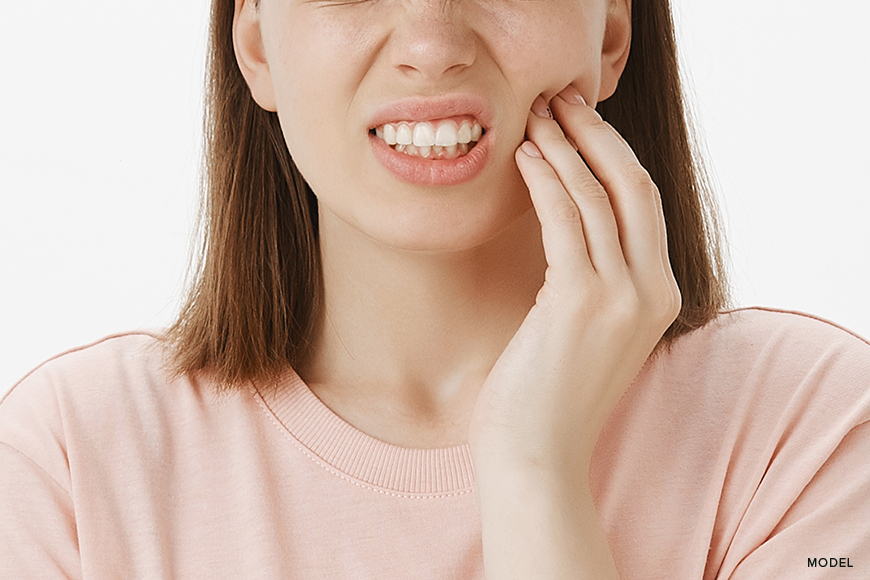
Picture this: You are enjoying a relaxing dinner in downtown Madison, catching up with friends. You take a bite of crusty artisanal bread or munch on a handful of almonds, and suddenly—zing! A sharp, electrifying pain shoots through your jaw. The pain fades just as quickly as it arrived, leaving you wondering if you imagined it. But the next time you take a sip of your ice water, the agonizing sensitivity returns.
If this scenario sounds familiar, you might be dealing with a tooth fracture.
A fractured or cracked tooth is one of the most common dental emergencies, yet it is also one of the most misunderstood. Because the cracks are often microscopic, they don’t always show up on standard X-rays, making them tricky to diagnose.
In this comprehensive guide, the expert team at Madison Dentistry & Implant Center breaks down everything you need to know about tooth fractures. From identifying the subtle signs of a crack to exploring the latest treatment options available right here in Madison, New Jersey, we have you covered.
What Exactly is a Tooth Fracture?
A tooth fracture occurs when a crack or break develops in the hard outer layers of your tooth (the enamel and dentin). Our teeth are incredibly strong—in fact, tooth enamel is the hardest substance in the human body. However, they are not invincible. Years of daily wear and tear, sudden trauma, or underlying structural weaknesses can cause even the healthiest-looking tooth to give way.
To understand why a cracked tooth hurts so much, it helps to understand a bit of dental anatomy. Inside the hard outer layers of your tooth lies the pulp, a soft tissue containing delicate nerves and blood vessels. When the outer shell is cracked, chewing can cause the pieces of the tooth to move, irritating the pulp. Over time, this pulp can become damaged or infected, leading to consistent, severe pain.
Common Causes of Tooth Fractures
Teeth don’t usually break without a reason. The most common culprits behind a cracked tooth include:
- Chewing on Hard Objects: Ice, hard candies, popcorn kernels, and fruit pits are notorious for cracking teeth.
- Bruxism (Teeth Grinding): Chronic clenching and grinding, especially at night, places immense pressure on your teeth, causing microscopic stress fractures over time.
- Large Fillings: Teeth with massive amalgam or composite fillings have less natural tooth structure, making them weaker and more prone to splitting.
- Thermal Shock: Exposing your teeth to sudden, extreme temperature changes (like eating hot soup and immediately drinking ice water) can cause the enamel to expand and contract too quickly, leading to cracks.
- Physical Trauma: A blow to the mouth from a sports injury, car accident, or fall can easily fracture a tooth.
- Age: Much like our bones, our teeth become more brittle as we age. Most tooth fractures occur in patients over the age of 50.
The 5 Types of Tooth Fractures
Not all tooth fractures are created equal. Dental professionals categorize cracks based on their location, depth, and severity.
1. Craze Lines
These are tiny, microscopic hairline cracks that affect only the outer enamel of the tooth. Craze lines are incredibly common in adults and are completely painless. They are generally considered a cosmetic issue rather than a structural one and do not require treatment unless you want to address them for aesthetic reasons.
2. Fractured Cusp
The “cusps” are the pointed chewing surfaces of your teeth. When a piece of a tooth’s chewing surface breaks off, it is called a fractured cusp. This frequently happens to teeth that have large fillings. While it rarely damages the pulp (meaning it doesn’t usually cause severe pain), it can make your tooth feel sharp to the tongue and sensitive to temperature.
3. Cracked Tooth
A true “cracked tooth” features a fracture that extends from the chewing surface vertically down toward the root. If the crack has not reached the gum line, the tooth can usually be saved. However, if the crack extends deep into the root, the prognosis changes. Early diagnosis is absolutely critical here to prevent the crack from spreading further.
4. Split Tooth
If a cracked tooth is left untreated, it will eventually progress into a split tooth. A split tooth is characterized by a crack with distinct segments that can be separated. Unfortunately, a split tooth cannot be saved intact. The extent of the crack will determine if any portion of the tooth can be preserved.
5. Vertical Root Fracture
Unlike the other types, these fractures begin at the root of the tooth and extend upward toward the chewing surface. They often show minimal symptoms and may go unnoticed until the surrounding bone and gum become infected. Vertical root fractures almost always result in the extraction of the tooth.
Warning Signs: How to Tell if Your Tooth is Fractured
The symptoms of a cracked tooth can be frustratingly erratic. This phenomenon is commonly referred to as Cracked Tooth Syndrome. Symptoms include:
- Sharp pain when chewing or biting down, particularly when releasing the bite.
- Extreme sensitivity to hot, cold, or sweet foods and beverages.
- Pain that comes and goes inconsistently.
- Swollen or tender gums localized around a specific tooth.
If you are experiencing any of these symptoms, do not ignore them. A cracked tooth will not heal on its own.
Immediate Actionable Tips: What to Do If You Crack a Tooth
If you suspect you have fractured a tooth, taking immediate action can improve your chances of saving it.
- Rinse Your Mouth: Gently rinse with warm saltwater to clean the area and prevent infection.
- Manage Swelling: Apply a cold compress to the outside of your cheek to minimize swelling and numb the pain.
- Protect the Tooth: Avoid chewing on the side of your mouth where the damaged tooth is located. Stick to soft foods.
- Take Over-the-Counter Pain Relievers: Ibuprofen or acetaminophen can help manage discomfort. Never apply painkillers directly to your gums, as this can cause chemical burns.
- Call Your Dentist Immediately: Time is of the essence. Contact Madison Dentistry & Implant Center to schedule an emergency evaluation.
Comprehensive Treatment at Madison Dentistry & Implant Center
When you visit Madison Dentistry & Implant Center, our primary goal is to relieve your pain and save your natural tooth whenever possible. Whether you live locally in Madison, or are making the short drive from neighboring communities like Chatham, Florham Park, Morristown, Summit, or Harding, our state-of-the-art facility is equipped to provide top-tier restorative care.
Treatment for a tooth fracture depends entirely on the type, location, and severity of the crack.
Dental Crowns
If the crack is significant but hasn’t reached the pulp, a custom dental crown is often the best solution. A crown acts like a protective helmet, encasing the entire visible portion of the tooth. This holds the fractured pieces together and restores the tooth’s strength, allowing you to chew without pain.
Root Canal Therapy
If the crack has extended into the pulp chamber, the nerve of the tooth will become inflamed or infected. In this case, a root canal is necessary. We will carefully remove the damaged pulp, clean and seal the inside of the tooth, and cap it with a durable dental crown to protect it from further stress.
Tooth Extraction and Dental Implants
Unfortunately, if the crack extends below the gum line into the root (like a split tooth or vertical root fracture), the tooth cannot be saved and must be gently extracted.
As a premier implant center in New Jersey, we specialize in seamlessly replacing extracted teeth with dental implants. An implant acts as an artificial tooth root, providing a permanent, rock-solid foundation for a beautiful porcelain crown. Dental implants look, feel, and function exactly like your natural teeth, ensuring your smile remains flawless.
Proactive Prevention: Protecting Your Smile
While you can’t predict every accident, you can take steps to minimize your risk of fracturing a tooth:
- Wear a Nightguard: If you wake up with a sore jaw or know that you grind your teeth in your sleep, a custom-fitted nightguard from Madison Dentistry & Implant Center can protect your teeth from immense nighttime pressure.
- Wear a Mouthguard: Always wear a protective sports mouthguard when participating in contact sports.
- Watch What You Chew: Avoid crunching on ice, hard candies, and unpopped popcorn kernels. Never use your teeth as tools to open packages or bottles!
- Keep Up with Dental Visits: Regular bi-annual checkups allow us to spot early signs of wear, failing fillings, or structural weaknesses before they turn into painful fractures.
TL;DR: The Key Takeaways
- What is it? A tooth fracture is a crack in your tooth’s enamel and dentin, often caused by biting hard objects, teeth grinding, or trauma.
- The Symptoms: Look out for erratic pain when chewing (especially upon release), extreme temperature sensitivity, and localized gum swelling.
- The urgency: Cracked teeth do not heal. Without treatment, the crack will deepen, potentially leading to root canal therapy or tooth loss.
- The Solution: Depending on the severity, treatments range from simple bonding and dental crowns to root canals or, in severe cases, extraction followed by a dental implant.
- Local Experts: Madison Dentistry & Implant Center provides expert fracture diagnosis and restorative treatments to patients in Madison, Chatham, Florham Park, Morristown, and beyond.
Frequently Asked Questions (FAQs)
Can a cracked tooth heal on its own?
Unlike a broken bone, a cracked tooth cannot heal itself. The enamel contains no living cells to repair the fracture. Prompt dental intervention is required to stop the crack from spreading.
Will I need a root canal if my tooth is cracked?
Not always. If the crack is caught early and only affects the outer layers of the tooth, a filling or crown may be sufficient. However, if the fracture reaches the inner pulp, a root canal will be necessary to save the tooth.
How long does a dental implant take if my tooth needs to be extracted?
The dental implant process takes a few months to complete, as the titanium post needs time to fuse securely with your jawbone (a process called osseointegration). However, we can often provide a temporary tooth during the healing phase so you never have to go without a smile.
Does fixing a fractured tooth hurt?
At Madison Dentistry & Implant Center, patient comfort is our top priority. We use advanced local anesthetics and offer sedation options to ensure that your treatment is entirely pain-free. In fact, the treatment will relieve the intense pain caused by the fracture itself!
Don't Let a Cracked Tooth Ruin Your Smile
Dealing with a tooth fracture can be stressful and painful, but it doesn’t have to mean the end of your natural smile. Early detection and expert treatment are the keys to preserving your dental health.
If you are experiencing sharp pains while chewing, temperature sensitivity, or suspect you may have cracked a tooth, don’t wait for the pain to become unbearable.
At Madison Dentistry & Implant Center, we proudly serve the vibrant communities of Madison, Chatham, Florham Park, Morristown, Summit, and the surrounding areas. Our compassionate team is ready to accurately diagnose your pain, explain your options clearly, and provide the highest quality restorative care.
Take action today! Contact Madison Dentistry & Implant Center to schedule your comprehensive evaluation.