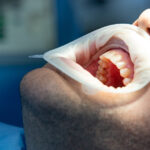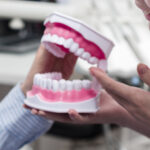


Few things in life are as universally disruptive as a sudden, relentless toothache. It starts as a dull ache, perhaps a slight sensitivity to your morning coffee, but soon morphs into a throbbing pain that keeps you awake at night. If this sounds familiar, you might be dealing with a tooth abscess—a serious dental infection that demands immediate professional attention.
When a bacterial infection settles deep into your tooth or gums, ignoring the pain won’t make it go away; it only allows the infection to spread. Here at Madison Dentistry & Implant Center, we see patients every week who underestimated a toothache only to find themselves facing a dental emergency.
Whether you reside right here in Madison, New Jersey, or you are making the short drive from neighboring communities like Chatham, Florham Park, Morristown, or Summit, knowing the signs of a tooth abscess and understanding tooth abscess treatment options can save your smile—and potentially your life. In this comprehensive guide, we will break down everything you need to know about tooth abscess treatment, from recognizing the early warning signs to the advanced restorative solutions we offer.
What Exactly is a Tooth Abscess?
A tooth abscess is, in simple terms, a pocket of pus caused by a bacterial infection. It can occur at different regions of the tooth for different reasons. Understanding the type of abscess you have is the first step our dentists take in formulating a treatment plan.
There are two primary types of dental abscesses:
- Periapical Abscess: This is the most common type. It occurs at the very tip of the tooth’s root. It usually happens when bacteria invade the dental pulp—the innermost part of the tooth containing blood vessels, nerves, and connective tissue—through a deep cavity, an untreated chip, or a crack in the tooth.
- Periodontal Abscess: This type occurs in the gums next to a tooth root. It is more commonly associated with severe gum disease (periodontitis) or a foreign body, like a popcorn hull, getting deeply trapped within the gum line.
Regardless of the type, an abscess is your body’s way of trying to wall off an infection. The immense pain you feel is the pressure of the accumulating pus pressing against the sensitive nerves of your tooth and jaw.
Recognizing the Red Flags: Symptoms You Can't Ignore
How do you know if you have a standard toothache or a full-blown abscess? The symptoms of an abscess are usually severe and aggressive. If you experience any of the following, it is time to contact an emergency dentist immediately:
- Severe, persistent, throbbing toothache: This pain often radiates to your jawbone, neck, or ear.
- Temperature sensitivity: Extreme pain when consuming hot or cold foods and beverages.
- Pressure sensitivity: Sharp pain when chewing or biting down.
- Fever: Your body raising its temperature to fight the infection.
- Facial swelling: Swelling in your face, cheek, or neck, which can sometimes make it difficult to open your mouth or swallow.
- Tender lymph nodes: Swollen lymph nodes under your jaw or in your neck.
- Foul taste or odor: A sudden rush of foul-smelling and foul-tasting, salty fluid in your mouth. This usually means the abscess has ruptured (which may bring temporary pain relief, but the infection is still highly active).
Professional Tooth Abscess Treatment Options
At Madison Dentistry & Implant Center, our primary goals are to eliminate the infection, relieve your pain, and save your natural tooth whenever possible. When you come into our Madison, NJ clinic, we will utilize advanced digital X-rays to pinpoint the exact location and severity of the abscess.
Based on our findings, your personalized treatment plan may include one or a combination of the following:
1. Incision and Drainage
To provide immediate pain relief, your dentist may need to make a small incision into the abscess. This allows the built-up pus to drain, instantly relieving the pressure that causes the severe throbbing pain. The area is then thoroughly washed with sterile saline. While this relieves symptoms, it is usually only the first step; the root cause of the infection must still be addressed.
2. Root Canal Therapy (Endodontics)
If you have a periapical abscess, a root canal is the best way to save your natural tooth. Despite its intimidating reputation, modern root canal therapy is highly effective and relatively painless—comparable to a routine filling. During this procedure, the dentist drills down into the tooth, removes the diseased central tissue (pulp), and drains the abscess. The inner chamber and root canals of the tooth are then meticulously cleaned, disinfected, and sealed with a rubber-like material called gutta-percha. Finally, the tooth is capped with a custom-made dental crown to restore its strength and appearance.
3. Tooth Extraction and Dental Implants
Sometimes, a tooth is too severely damaged or decayed to be saved. If a root canal isn’t viable, the tooth must be extracted to prevent the infection from spreading to your jawbone or other teeth.
Because we are the Madison Dentistry & Implant Center, we specialize in the immediate next step: restoring your smile. Once the infection is fully cleared and the area has healed, we can replace the missing tooth with a state-of-the-art dental implant. Dental implants are titanium posts surgically placed into the jawbone, acting as artificial tooth roots. They are capped with lifelike crowns, providing a permanent, functional, and aesthetically pleasing replacement that feels exactly like your natural tooth.
4. Antibiotics
It is a common misconception that antibiotics alone will cure a tooth abscess. They will not. Antibiotics cannot reach the source of the infection inside a dead tooth. However, if the infection has spread beyond the abscessed area into your neighboring teeth, jaw, or immune system, we will prescribe a course of antibiotics to help your body fight the spread of the bacteria in conjunction with the dental procedure.
Actionable Tips: Temporary Home Relief
We understand that an abscess can flare up at the most inconvenient times—like the middle of the night or over a long weekend. While you are waiting for your emergency appointment at our clinic, here are a few actionable tips to manage the pain.
- Warm Salt Water Rinses: Mix 1/2 teaspoon of table salt in 8 ounces of warm water. Gently swish it around your mouth and spit it out. This helps draw out some of the fluid and soothes the inflamed gum tissue.
- Over-the-Counter Pain Relievers: Ibuprofen (Advil, Motrin) or Acetaminophen (Tylenol) can help manage the intense pain and reduce inflammation. Never crush a painkiller and put it directly on the gum, as this can cause chemical burns.
- Cold Compress: Apply an ice pack wrapped in a towel to the outside of your cheek for 15 minutes at a time to numb the area and reduce facial swelling.
- Keep Your Head Elevated: When sleeping, prop your head up with extra pillows. Lying flat causes more blood to rush to your head, increasing the throbbing pressure in your tooth.
Frequently Asked Questions (FAQs) about Tooth Abscess Treatment
Can a tooth abscess go away on its own?
No. A tooth abscess will not heal without professional dental treatment. Even if the abscess ruptures and the pain subsides, the bacterial infection remains active and will continue to spread and destroy the surrounding tissue and bone.
How long does a root canal take for an abscessed tooth?
A root canal typically takes between 60 to 90 minutes. In cases of severe infection, the procedure might be split into two appointments—one to clean and medicate the tooth, and a second to seal it and place the permanent crown once the infection is fully resolved.
Are dental implants painful?
The dental implant procedure is performed under local anesthesia, so you will not feel pain during the surgery. Post-operative discomfort is usually mild and easily managed with over-the-counter pain medication. Most patients report that getting an implant is easier than having a tooth extracted!
Does insurance cover tooth abscess treatment?
Most dental insurance plans cover emergency treatments like X-rays, drainage, root canals, and extractions, at least partially. Our front office team at Madison Dentistry & Implant Center is highly experienced in navigating insurance claims and will work with you to maximize your benefits.
Don't Let an Infection Steal Your Smile
A tooth abscess is a clear and urgent signal from your body that something is wrong. Ignoring the pain won’t make the infection disappear; it will only lead to more complex, costly, and painful complications down the road. The good news is that with prompt, professional care, the infection can be eradicated, your pain can be eliminated, and your smile can be fully restored.
At Madison Dentistry & Implant Center, we are dedicated to providing the residents of Madison, Chatham, Florham Park, Morristown, Summit, and beyond with state-of-the-art emergency and restorative dental care. We blend advanced technology with a compassionate approach to ensure you are comfortable, informed, and completely pain-free. Schedule an appointment today!