
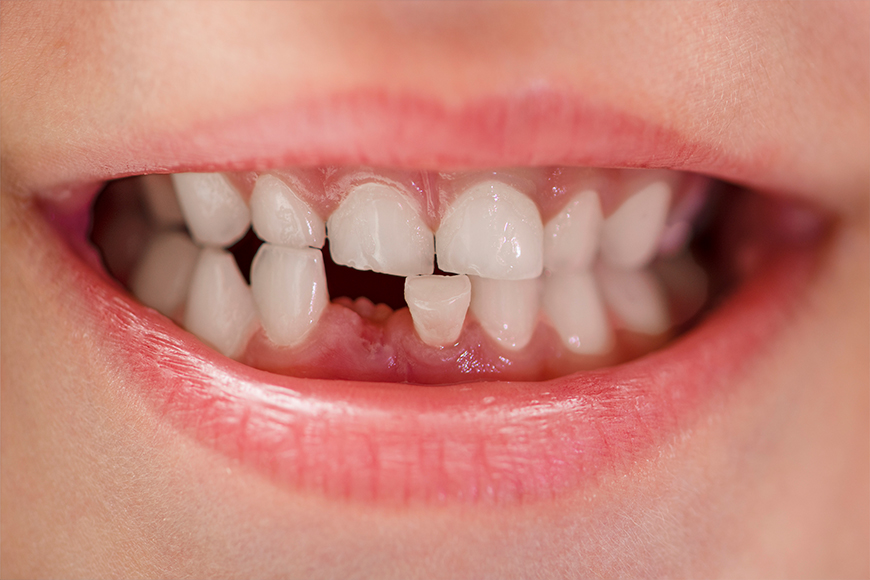
It happens in a split second. Maybe you were crunching down on a piece of ice, took a spill during a weekend soccer game in Madison, or simply bit into a seemingly harmless popcorn kernel. Suddenly, you feel it—that jagged, unnatural edge where your smooth tooth used to be.
The panic sets in immediately. Is it visible? Does it hurt? Can it be fixed?
A chipped tooth is one of the most common dental emergencies we see, yet it remains one of the most stressful experiences for patients. Beyond the cosmetic anxiety of a ruined smile, a broken tooth can expose sensitive nerves to bacteria, leading to infection or further breakage if left untreated.
But here is the good news: You do not have to live with a broken smile.
At Madison Dentistry & Implant Center, located right here on Main Street in Madison, NJ, we specialize in turning dental disasters into flawless restorations. Whether you are in Morristown, Florham Park, or Short Hills, expert help is just around the corner.
In this comprehensive guide, we will walk you through exactly what to do the moment you chip a tooth, the modern treatments available to fix it, and how to prevent it from happening again.
Why Do Teeth Chip? Understanding the Causes
Enamel is the hardest substance in the human body, but it is not invincible. Understanding why teeth break is the first step toward preventing future accidents. While trauma is a leading cause, many chips occur during mundane daily activities because the tooth was already weakened.
1. Physical Trauma and Accidents
This is the most obvious culprit. A fall on the pavement, a car accident, or a collision during sports can instantly fracture a tooth. We frequently treat patients from Summit and Harding who have suffered sports-related dental injuries.
2. Biting Down on Hard Objects
Your teeth are designed for chewing food, not crushing ice or opening packaging. Common offenders include:
- Ice cubes: The temperature change combined with hardness makes enamel brittle.
- Hard candies: Biting down on a Jolly Rancher or jawbreaker is a recipe for disaster.
- Non-food items: Using your teeth to tear tape, open bottles, or rip tags off clothing.
3. Bruxism (Teeth Grinding)
Many people grind their teeth in their sleep due to stress or anxiety. Over time, this constant pressure wears down the enamel, making the edges of your teeth thin and prone to chipping under even slight pressure.
4. Existing Decay or Large Fillings
A tooth that has a large cavity or an old metal filling is structurally compromised. There is less healthy tooth structure to support the bite, causing the remaining enamel to shear off unexpectedly.
Emergency Action Plan: What to Do Immediately
If you have just chipped a tooth, do not panic. Follow these step-by-step instructions to minimize pain and protect your tooth before you reach our office in Madison, NJ.
Step 1: Rinse Your Mouth
Gently rinse your mouth with warm water. This clears away any blood or debris and helps you assess the damage. If there is blood, apply gentle pressure with a piece of sterile gauze.
Step 2: Locate the Tooth Fragment
If the chip is significant, try to find the broken piece. In some cases, specifically with clean breaks, we may be able to reattach the fragment. Place it in a small container with milk or your own saliva to keep it moist. Do not use tap water, as it can damage the root cells if the break is deep.
Step 3: Protect Your Tongue and Cheek
A chipped tooth often leaves behind a razor-sharp edge that can slice your tongue or cheek. If you can’t get to the dentist immediately, cover the sharp edge with a piece of sugar-free chewing gum or dental wax (available at most pharmacies).
Step 4: Manage the Pain
If you are in pain, take an over-the-counter pain reliever like Ibuprofen (Advil) or Acetaminophen (Tylenol). To reduce swelling, hold a cold compress against the outside of your cheek near the injury.
Step 5: Call Madison Dentistry & Implant Center
Time is of the essence. A chipped tooth is vulnerable to infection. Call us immediately at our Madison office. We prioritize emergency cases to get you out of pain and restore your smile as fast as possible.
Professional Treatment Options: How We Fix Your Smile
When you arrive at Madison Dentistry & Implant Center, our priority is to save the tooth and restore its natural appearance. The treatment we recommend depends on the severity of the chip and which tooth is affected.
Here is a breakdown of the most effective solutions we offer:
1. Dental Bonding (Best for Minor Chips)
For small cosmetic chips—like a tiny jagged edge on a front tooth—dental bonding is often the best solution.
- The Procedure: We apply a tooth-colored composite resin to the chipped area. We then mold it to match the shape of your natural tooth and cure it with a special blue light to harden it.
- The Benefits: It is painless, usually requires no anesthesia, and can be completed in a single visit (often under an hour).
- Cost: This is generally the most affordable option.
2. Porcelain Veneers (Best for Front Teeth)
If the chip is on a highly visible front tooth or if you have multiple cosmetic concerns, a veneer might be the superior choice.
- The Procedure: A veneer is a thin shell of porcelain, custom-made to fit over the front surface of your tooth. It covers the chip completely and provides a flawless, new surface.
- The Benefits: Veneers are highly resistant to staining (unlike bonding) and mimic the light-reflecting properties of natural teeth perfectly. They offer a long-term, “Hollywood smile” result.
- Ideal for: Patients in Short Hills or Chatham looking for a premium cosmetic upgrade alongside their repair.
3. Dental Crowns (Best for Major Breaks)
When a significant portion of the tooth breaks off, there may not be enough structure left to hold a filling or bonding.
- The Procedure: A crown (or “cap”) covers the entire visible portion of the tooth, protecting the remaining structure from further damage.
- The Benefits: Crowns are incredibly strong and allow you to chew normally without fear of the tooth breaking again. At Madison Dentistry, we use high-quality ceramic or zirconia crowns that look completely natural.
4. Root Canal Therapy (If the Nerve is Exposed)
If the chip is deep enough to expose the pulp (the center of the tooth containing nerves and blood vessels), bacteria can enter and cause a painful infection.
- The Procedure: We remove the damaged nerve tissue, clean the canal, and seal it. The tooth is then typically restored with a crown.
- The Myth: Root canals have a bad reputation for pain, but with modern anesthesia, the procedure is no more uncomfortable than getting a filling. It is a tooth-saving procedure.
Prevention: How to Protect Your Smile
Once we have restored your smile, we want to ensure it stays that way. Here are three actionable tips to prevent future chips:
- Wear a Mouthguard: If you play sports—even non-contact sports—a custom-fitted mouthguard is the single best insurance policy for your teeth.
- Treat Bruxism: If you grind your teeth, ask us about a night guard. Wearing one while you sleep absorbs the pressure that would otherwise crack your enamel.
- Watch What You Eat: Avoid chewing on ice, popcorn kernels, and hard candies.
Why Choose Madison Dentistry & Implant Center?
When it comes to your face and your smile, you shouldn’t settle for “good enough.” You need a team that combines emergency responsiveness with high-end cosmetic artistry.
We are Local: Conveniently located at 268 Main St in Madison, NJ, we are the go-to dental home for families across Morris County, including Chatham, Florham Park, Morristown, and Summit.
We are Comprehensive: Unlike some clinics that refer you out for complex work, we handle everything in-house. From the initial emergency exam to the final placement of a custom crown or implant, you receive continuity of care under one roof.
We Prioritize Comfort: We know dental emergencies are stressful. Our office is designed to be a calming environment, and our staff is trained to handle anxious patients with empathy and gentleness.
Frequently Asked Questions (FAQ) About Chipped Tooth
Can a chipped tooth heal on its own?
No. Unlike skin or bone, tooth enamel does not contain living cells and cannot regenerate. Even if a chip doesn’t hurt, you must see a dentist to smooth the edge and seal the tooth to prevent decay.
Is a chipped tooth a dental emergency?
It depends on the severity. If the tooth is painful, bleeding, or if a large piece has broken off, it is an emergency. If it is a minor cosmetic chip causing no pain, it can usually wait a few days, but you should still book an appointment promptly.
How long does dental bonding last?
With proper care, dental bonding can last anywhere from 3 to 10 years. However, you should avoid biting directly into hard foods with bonded front teeth to extend their lifespan.
Do you accept new patients from surrounding towns?
Absolutely! We proudly serve patients from Madison, Chatham, Short Hills, Harding, Morristown, and beyond.
Conclusion: Restore Your Smile Today
A chipped tooth doesn’t have to be a permanent mark on your smile. Whether it’s a tiny chip or a major break, modern dentistry offers solutions that are durable, natural-looking, and virtually painless.
Don’t let a broken tooth compromise your confidence or your health.
Ready to fix your smile? If you are in Madison, NJ or the surrounding Morris County area, contact Madison Dentistry & Implant Center today.