

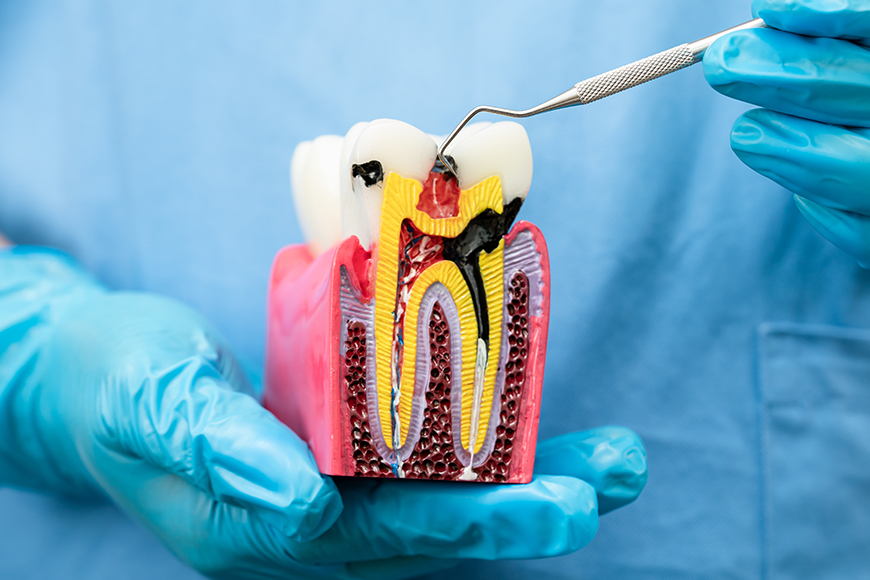
Have you ever dismissed a persistent, throbbing toothache as something that will just “go away”? Many people do, but in reality, that pain could be the first sign of a dangerous, escalating problem: a root canal infection. This isn’t just about discomfort; it’s about a bacterial invasion deep within your tooth’s core—the dental pulp—that can threaten your entire oral and systemic health.
The thought of needing a root canal treatment often sends shivers down a patient’s spine, yet modern endodontic procedures are fast, virtually pain-free, and incredibly effective at saving a natural tooth. The real danger isn’t the treatment; it’s the delay in getting the expert help you need.
If you are experiencing severe tooth pain or prolonged sensitivity in Madison, New Jersey, or a surrounding area like Chatham, Florham Park, or Morristown, understanding the signs of an infected root canal is your first line of defense. This comprehensive guide, brought to you by the specialists at Madison Dentistry & Implant Center, will walk you through everything you need to know, from symptoms and causes to the advanced, comfortable treatment that can save your smile.
Recognizing the Red Flags: Symptoms of a Root Canal Infection
A tooth infection begins when bacteria breach the protective enamel and dentin layers, reaching the delicate pulp tissue inside. This pulp contains nerves and blood vessels, and once infected, it swells—creating intense pressure and pain that cannot be ignored.
Knowing these symptoms of tooth infection is crucial for early intervention:
- Severe, Persistent Tooth Pain: This is the most common and compelling symptom. The pain can be a deep, throbbing ache or sharp, shooting pain that may radiate to the jaw, ear, or head. Crucially, the pain often intensifies when you bite down or apply pressure.
- Prolonged Sensitivity to Hot and Cold: While mild sensitivity is common, a lingering, sharp pain after a hot cup of coffee or cold ice cream—that lasts for minutes—is a strong indicator that the nerve is inflamed or infected.
- Gum Swelling and Tenderness: Look for noticeable swelling and tenderness in the gums near the affected tooth. This inflammation is the body’s response to the infection.
- The “Pimple” or Abscess on the Gums (Fistula): A small, pus-filled bump on the gums, often referred to as a dental abscess, is a clear sign the infection has spread from the tooth root into the surrounding bone. It may drain a foul-tasting fluid (pus), which temporarily relieves the pressure but does not cure the infection.
- Tooth Discoloration: An infected tooth may appear darker, turning gray, brown, or black, as the blood vessels in the pulp die off.
- Loose Tooth: In advanced stages, the infection can erode the bone supporting the tooth, causing the tooth to feel noticeably loose.
What Causes a Tooth’s Pulp to Become Infected?
Understanding the root cause of a root canal infection can help you appreciate why timely endodontic treatment is essential. The infection is almost always the result of a pathway for bacteria to enter the pulp chamber:
- Deep Decay and Untreated Cavities: This is the leading cause. If a cavity is left untreated, bacteria erode the enamel and dentin until they reach the pulp, leading to a bacterial infection.
- Cracked, Chipped, or Broken Tooth: Even a microscopic crack in the tooth enamel can create a highway for bacteria. Trauma from a sports injury or an accident can damage the pulp, even if the exterior of the tooth looks fine.
- Repeated Dental Procedures: Extensive or repeated dental work on a single tooth can, over time, weaken the structure and compromise the pulp’s health.
- Faulty Crowns or Fillings: A loose or cracked crown/filling can allow bacteria to leak underneath and contaminate the inner tooth structure.
Saving Your Tooth: The Root Canal Treatment Procedure
When your tooth is severely infected, the procedure known as Root Canal Treatment (or Root Canal Therapy) is the definitive way to eliminate the infection and save the tooth. Contrary to popular myths, the procedure is highly successful and typically no more uncomfortable than receiving a routine filling.
The Step-by-Step Process at Madison Dentistry & Implant Center:
- Diagnosis and Anesthesia: Your Madison NJ dentist first confirms the diagnosis using X-rays and special diagnostic tests. Local anesthesia is administered to completely numb the area—you won’t feel pain, just pressure.
- Access and Isolation: A small opening is created in the crown of the tooth to access the pulp chamber. A dental dam (a small sheet of rubber) is placed around the tooth to keep it clean, dry, and free of saliva-borne bacteria during the procedure.
- Cleaning and Shaping (The Core of Endodontic Treatment): Tiny, specialized instruments (endodontic files) are used to meticulously remove all the infected and dead pulp tissue from the chamber and the branching root canals. The canals are then thoroughly cleaned and disinfected with antiseptic solutions to eradicate every trace of bacteria.
- Filling and Sealing (Obturation): Once the canals are clean, dry, and shaped, they are filled and hermetically sealed with a biocompatible, rubber-like material called gutta-percha. This seal prevents future bacteria from entering the tooth’s interior.
- Restoration (The Final Step): A temporary filling is placed to close the access opening. In most cases, especially on molars and premolars, a custom dental crown will be needed during a follow-up visit. The crown acts as a protective shield, restoring the tooth’s full strength, functionality, and aesthetic appearance.
The Perils of Delay: Why Untreated Infection is Dangerous
The decision to postpone treatment for a root canal infection carries severe, and potentially systemic, health risks. This infection will not heal on its own.
- Tooth Loss and Extraction: As the infection progresses, it can destroy the tooth structure and the surrounding bone, eventually requiring the tooth to be extracted. An extraction means a gap, which requires a costly and more invasive solution like a bridge or a dental implant (which our center, Madison Dentistry & Implant Center, also specializes in).
- Facial and Systemic Spread: The infection from a dental abscess can spread out of the jaw bone into the soft tissues of the face and neck, causing severe, sometimes life-threatening, swelling (Cellulitis). In the worst-case scenario, the bacteria can enter the bloodstream and spread throughout the body, causing systemic infection (sepsis).
- Jaw Bone Loss: The chronic infection erodes the alveolar bone that holds your teeth in place, permanently compromising the jaw structure.
Local Care You Can Trust
Choosing the right practice for your root canal treatment is critical. For residents of Madison, New Jersey, and nearby communities like Chatham, Florham Park, and Morristown, Madison Dentistry & Implant Center offers expert endodontic care.
Our commitment to advanced technology, gentle techniques, and patient comfort ensures a stress-free experience from diagnosis to final restoration. When searching for an emergency dentist in Madison, NJ for your severe tooth pain, remember that prompt, expert care saves teeth and prevents complications. We utilize digital X-rays and magnification tools to ensure every canal is meticulously cleaned, maximizing the long-term success of your treated tooth.
Prevention is Key: Simple Steps to Avoid Future Infections
Once you’ve experienced the pain of an infected tooth, you’ll be motivated to prevent it from happening again. Prevention for a root canal infection is largely focused on maintaining excellent oral hygiene and proactive dental care:
- Maintain an Excellent Oral Hygiene Routine: Brush twice daily with fluoride toothpaste and floss at least once a day to remove plaque and prevent deep decay.
- Schedule Regular Check-ups and Cleanings: Visiting your Madison NJ dentist every six months allows us to catch small cavities before they breach the pulp and address any faulty fillings or crowns.
- Wear a Mouthguard: Protect your teeth from trauma during sports or from nocturnal grinding (bruxism) by wearing a custom-fitted mouthguard.
- Limit Sugary and Acidic Foods/Drinks: Reduce your intake of items that erode enamel, creating an entry point for bacteria.
Frequently Asked Questions (FAQ) about Root Canal Infection
Is a root canal painful?
No. The tooth is completely numbed with local anesthesia. The procedure removes the source of the pain (the inflamed nerve), providing immediate relief. Modern techniques make it very comfortable.
How long does a root canal treatment take?
Typically, a single tooth’s treatment can be completed in one to two hours. Complex cases or severe infections may require two appointments.
Do I always need a crown after a root canal?
In most cases, yes, especially on molars and premolars. The crown protects the tooth from fracture, as the tooth can become brittle after the pulp is removed.
How do I know if the infection is back?
Re-infection is rare but can happen. Look for recurring pain, gum swelling, or a persistent pimple/abscess months or years after the procedure. Contact us immediately for a re-evaluation.
Conclusion: Don't Live with Tooth Pain – Act Now for Your Health
A root canal infection is a serious condition that demands immediate attention. Choosing to ignore the signs—persistent pain, swelling, or prolonged sensitivity—is choosing to risk not only your tooth but your overall health.
If you suspect you have an infected tooth, don’t delay. The expert team at Madison Dentistry & Implant Center is here to provide comfortable, effective root canal treatment to save your natural tooth and restore your pain-free smile. We proudly serve patients from Madison, New Jersey, and the surrounding areas, including Chatham, Florham Park, and Morristown. Take the next step toward a healthier, pain-free smile today. Schedule an appointment today!