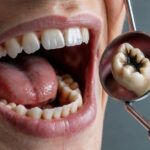

Imagine waking up in the middle of the night to a throbbing, unrelenting pain radiating from your jaw. You try adjusting your pillow, taking a sip of water, and massaging your cheek, but the agony refuses to subside. If you are experiencing this level of severe tooth pain, your body is sending you a glaring red flag. This isn’t just a minor ache that will fade by morning; it is a dental emergency.
When a deep infection reaches the sensitive inner nerves of your tooth, time is of the essence. Waiting too long can lead to the spread of infection, excruciating discomfort, and ultimately, the loss of your tooth. Fortunately, modern dentistry has a highly effective, pain-relieving solution: the emergency root canal.
In this comprehensive guide, we will break down exactly what an emergency root canal entails, how to recognize the urgent warning signs, and what you can do to manage your pain right now. Whether you live right here in Madison, New Jersey, or in the surrounding communities of Chatham, Florham Park, Morristown, or Summit, Madison Dentistry & Implant Center is here to turn your dental nightmare back into a healthy, pain-free smile.
What Exactly is an Emergency Root Canal Treatment?
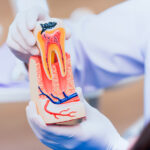
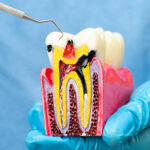
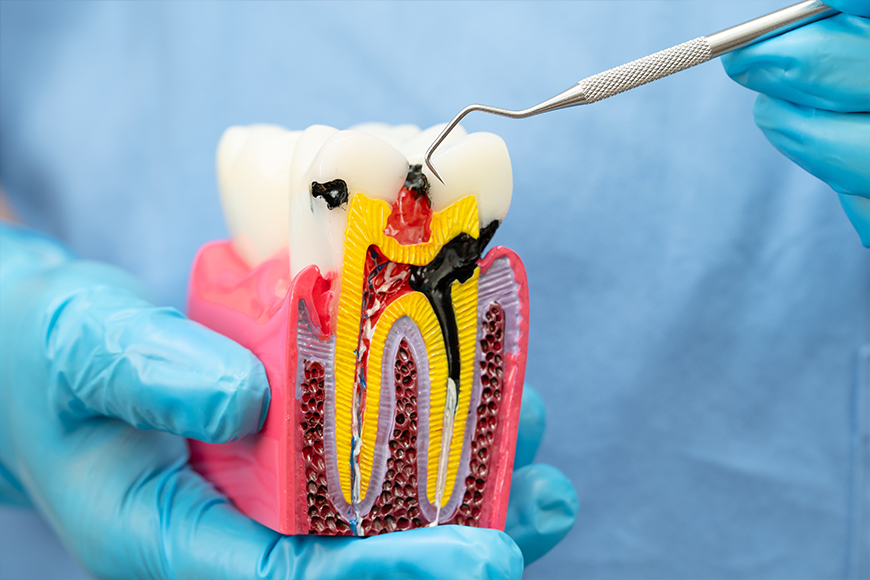
To understand a root canal, you first need to understand the anatomy of your tooth. Beneath the hard outer layer of enamel and the secondary layer of dentin lies the “pulp.” The pulp is a soft tissue containing nerves, blood vessels, and connective tissue. It is essential for the tooth’s growth and development.
However, when a tooth suffers from deep decay, repeated dental procedures, a faulty crown, or a traumatic crack, bacteria can infiltrate this inner sanctum. Once the pulp becomes infected or inflamed, it swells. Because the pulp is trapped inside the hard walls of the tooth, this swelling creates immense pressure on the nerves, resulting in severe pain.
An emergency root canal is a crucial, time-sensitive procedure designed to save the natural tooth. During the treatment, the dentist carefully removes the infected or dead pulp, thoroughly cleans and disinfects the inner chambers of the tooth (the root canals), and then fills and seals the space to prevent future bacterial invasions. While root canals have a historical reputation for being painful, modern anesthetics and advanced techniques mean the procedure itself is typically no more uncomfortable than getting a standard filling. The actual pain comes from the infection—the root canal is the cure for that pain.
7 Undeniable Signs You Need an Emergency Root Canal
How do you know if your toothache requires a simple filling or immediate emergency intervention? Look out for these seven unmistakable warning signs:
1. Severe, Unrelenting Toothache
This isn’t a dull background ache. The pain associated with an infected root is often described as spontaneous, intense, and throbbing. It may worsen when you lie down or change your posture, making sleep virtually impossible. If the pain stops you in your tracks and dominates your attention, it is time to seek emergency dental care.
2. Extreme Sensitivity to Hot and Cold
If taking a sip of hot coffee or eating a bowl of ice cream sends a sharp jolt of pain through your jaw, take note. While mild sensitivity can be normal, sensitivity that lingers for several seconds or minutes long after the hot or cold stimulus has been removed indicates nerve damage.
3. Swollen, Tender Gums
Infection from the tooth root can easily spread into the surrounding gum tissue. If the gums around a specific tooth are noticeably red, swollen, and tender to the touch, it is a strong indicator of an underlying abscess or deep infection that requires immediate root canal therapy.
4. A Pimple on the Gums (Dental Abscess)
Also known as a fistula or a gum boil, a small, pimple-like bump on the gums near the painful tooth is a definitive sign of an abscess. This bump is essentially a channel allowing pus from the bone infection to drain into the mouth. You may even notice a foul taste or odor if it ruptures. This is a severe infection that will not heal without professional intervention.
5. Noticeable Tooth Discoloration
When the pulp of a tooth dies due to trauma or infection, the tooth may begin to change color, turning a grayish-black or dark yellow hue. This internal discoloration happens because the tooth is losing its blood supply. An emergency root canal is necessary to remove the necrotic (dead) tissue.
6. Pain When Chewing or Applying Pressure
If you feel a sharp, stabbing pain every time your tooth comes into contact with food or even the opposing tooth, the periodontal ligament (which holds the tooth in the bone) is likely inflamed due to an infection at the root tip.
7. A Loose Tooth
Advanced infection can cause bone loss around the root of the tooth, leading to unexpected mobility. If an adult tooth feels loose, you must see an emergency dentist immediately to determine if a root canal can save it.
Immediate Action: What to Do While Waiting for Your Appointment
If you are experiencing the symptoms above, your first step is to call Madison Dentistry & Implant Center to schedule an emergency visit. However, while you are waiting to get into the dental chair, here are a few actionable tips to safely manage your discomfort:
- Rinse with Warm Salt Water: Dissolve a half-teaspoon of salt in eight ounces of warm water. Swish this mixture gently in your mouth for 30 seconds and spit. Salt water acts as a natural antibacterial agent and helps reduce gum inflammation.
- Apply a Cold Compress: Wrap an ice pack or a bag of frozen vegetables in a towel and hold it against the outside of your cheek for 15-minute intervals. This will help numb the area and reduce facial swelling.
- Take Over-the-Counter Pain Relievers: Medications like Ibuprofen or Acetaminophen can help manage the pain. Never place a crushed aspirin directly on your gums or the aching tooth, as this can cause a severe chemical burn on your tissue.
- Keep Your Head Elevated: Propping your head up with extra pillows when you lie down can prevent blood from rushing to the painful area, which often intensifies the throbbing sensation.
- Avoid Hard, Hot, or Cold Foods: Stick to soft, room-temperature foods to avoid aggravating the sensitive tooth.
The Procedure Demystified: What to Expect at Madison Dentistry & Implant Center
Anxiety about root canals usually stems from the unknown. Here is a step-by-step breakdown of what you can expect when you walk through our doors for emergency care:
Step 1: Diagnostics and X-Rays First, our expert team will take digital X-rays to see the shape of your root canals and determine the exact location and extent of the infection.
Step 2: Ensuring Total Comfort Your comfort is our top priority. We will apply a local anesthetic to completely numb the affected tooth and the surrounding gums. You will be awake, but you will not feel any pain during the procedure.
Step 3: Accessing and Cleaning the Tooth Once you are numb, the dentist will place a small rubber dam around the tooth to keep it dry and isolated from saliva. Next, a small opening is created in the crown of the tooth. Using specialized, microscopic instruments, the dentist will carefully remove the infected pulp, bacteria, and decayed nerve tissue from the inside of the tooth and down through the root canals.
Step 4: Shaping and Sealing After the space is thoroughly cleaned and disinfected, the root canals are reshaped and filled with a biocompatible rubber-like material called gutta-percha. This seals the canals and prevents bacteria from re-entering.
Step 5: Temporary Restoration In most cases, the dentist will place a temporary filling to close the opening. Because a tooth that has had a root canal is hollowed out and can become brittle, you will likely need to return for a permanent dental crown a few weeks later to restore the tooth’s full strength and function.
Post-Treatment Care and Recovery
Congratulations! The source of your agonizing pain has been removed. However, proper aftercare is vital for a smooth recovery:
- Wait for the Numbness to Wear Off: Do not eat anything until the anesthesia has completely worn off to avoid accidentally biting your tongue or cheek.
- Manage Mild Discomfort: It is normal to feel some mild soreness or tissue inflammation for a few days after the procedure. Continue taking over-the-counter pain relievers as directed by your dentist.
- Chew on the Other Side: Until you receive your permanent crown, avoid chewing hard or sticky foods on the treated tooth, as the temporary filling can fracture.
- Maintain Oral Hygiene: Brush and floss normally, but be gentle around the treated area.
- Attend Your Follow-Up: Do not skip your appointment to get your permanent crown! A root canal is only half the battle; the crown is what protects the tooth for years to come.
Why Choose Madison Dentistry & Implant Center for Your Emergency?
When a dental emergency strikes, you need a team you can trust. Located conveniently in Madison, NJ, Madison Dentistry & Implant Center is proudly equipped with state-of-the-art technology and a compassionate team dedicated to getting you out of pain immediately.
We proudly serve the local Madison community, as well as patients driving in from nearby Chatham, Florham Park, Morristown, Summit, and East Hanover. We understand that dental emergencies do not adhere to a 9-to-5 schedule, which is why we prioritize urgent cases to ensure you receive prompt, expert care without the wait. Don’t let a toothache dictate your life; let our local experts restore your oral health.
TL;DR: Key Takeaways
- Don’t Ignore the Pain: Severe throbbing, prolonged temperature sensitivity, and swollen gums are signs of a deep tooth infection that requires immediate attention.
- Root Canals Relieve Pain: The procedure removes the infected nerve tissue, eliminating the source of your agony. Modern techniques make it virtually painless.
- Act Fast: Delaying treatment can lead to the infection spreading to your jawbone or bloodstream, and may result in the need for an extraction.
- Temporary Home Care: Use cold compresses, warm salt water rinses, and OTC pain meds while waiting for your appointment.
- Complete the Treatment: Always return for your permanent dental crown to protect the treated tooth from breaking in the future.
Frequently Asked Questions (FAQs)
Is an emergency root canal painful?
No! This is the most common misconception. Thanks to modern local anesthetics, the procedure itself feels very similar to having a routine cavity filled. The intense pain you feel beforehand is caused by the infection, and the root canal is the treatment that provides relief.
How long does an emergency root canal procedure take?
Depending on the complexity of the tooth (molars have more canals than front teeth) and the severity of the infection, the procedure usually takes anywhere from 60 to 90 minutes.
Can I go back to work or school after an emergency root canal?
Most patients are perfectly capable of returning to their daily activities immediately after the procedure. Your mouth will be numb for a few hours, and you may experience mild soreness later, but it shouldn’t prevent you from working.
What happens if I choose not to get a root canal?
f the infected pulp is not removed, the infection will inevitably spread. This can lead to painful abscesses, bone loss in the jaw, systemic infections that can affect your overall health, and the eventual loss of the tooth.
Reclaim Your Comfort and Protect Your Smile
Severe tooth pain is your body’s alarm system, and ignoring it will only lead to more complex, painful, and expensive problems down the road. An emergency root canal is a safe, routine, and highly effective way to save your natural tooth and instantly eliminate excruciating discomfort.
If you are suffering from any of the symptoms mentioned in this guide, do not hesitate. Reach out to the experts at Madison Dentistry & Implant Center in Madison, NJ. Our dedicated team is ready to provide you with the fast, compassionate, and high-quality emergency dental care you deserve. Schedule a consultation today!